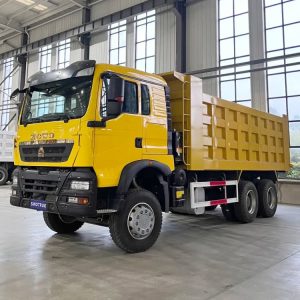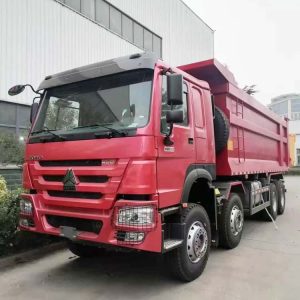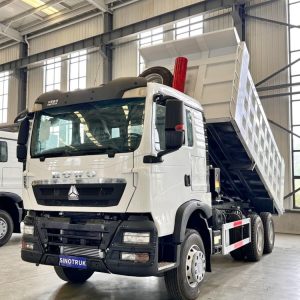
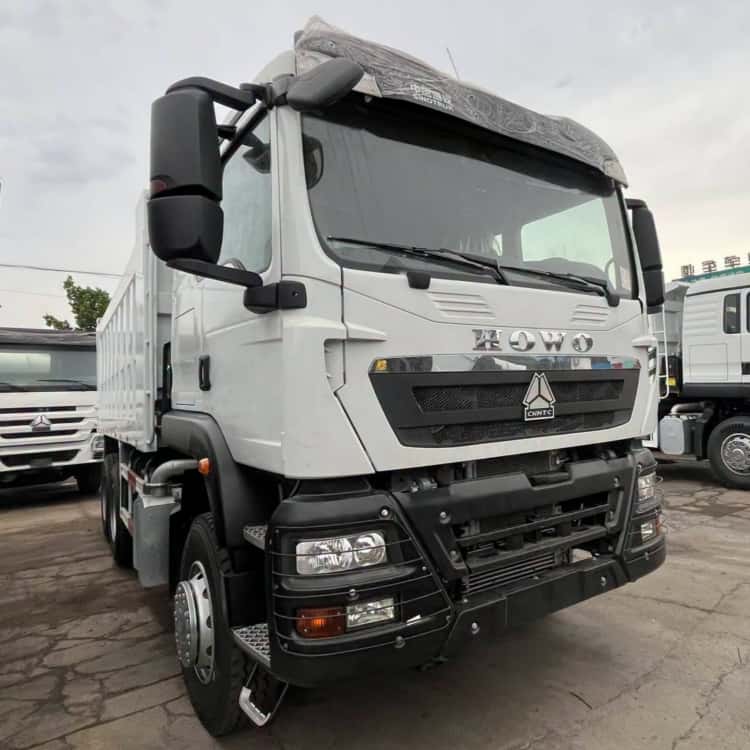
Reman Howo TX 6×4 Dump Truck
Each REMAN ROAD reman dump trucks for sale is produced following measurable reman quality benchmarks. Rigorous off-line testing guarantees consistent reliability under heavy working conditions, supporting fleet asset renewal with circular economy solutions.
Reman Dump Trucks for Sale Description
- REMAN ROAD’s reman Howo 6×4 truck is manufactured with clear, traceable reman quality standards covering the whole rebuilding procedure.
- We carry out non-destructive inspection for load-bearing structures and replace aging core components systematically, rather than only fixing visible defects.
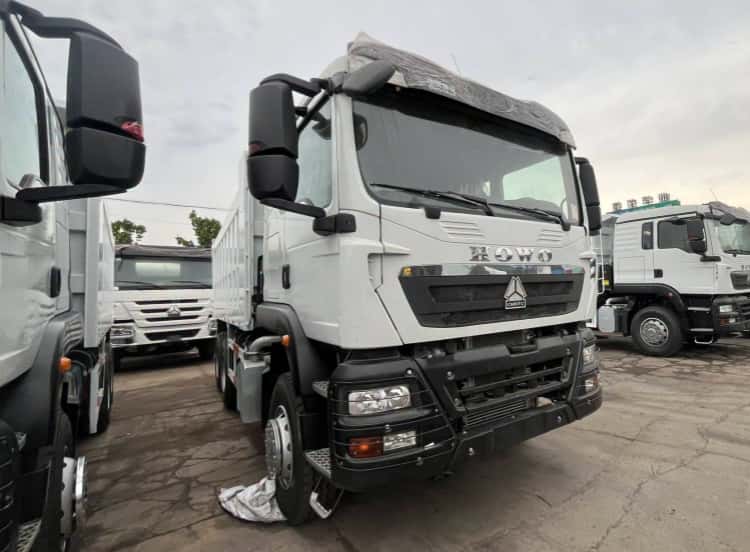
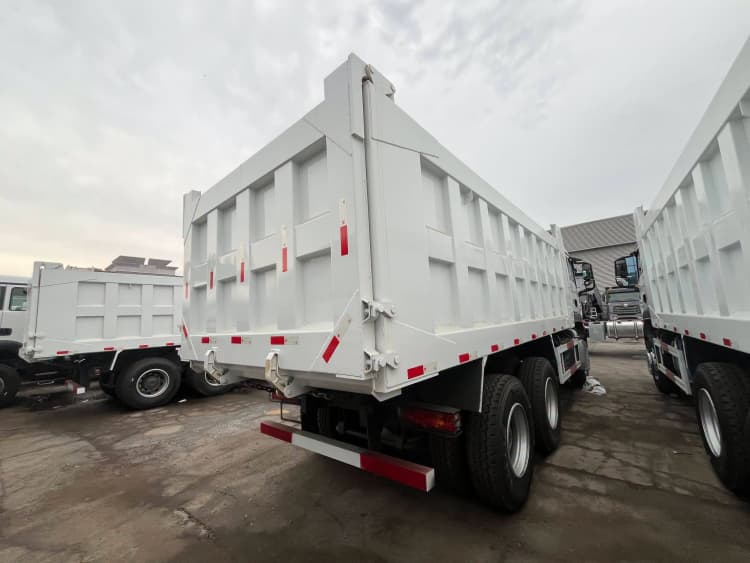
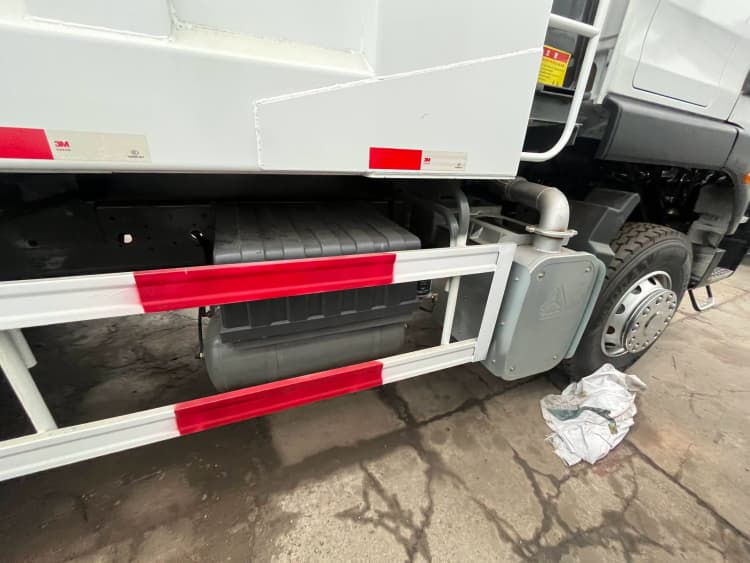
- Restored to strict performance criteria, the vehicle adapts to harsh off-site working environments. REMAN ROAD reman dump trucks for sale helps global fleet operators strike a balance between operational reliability, total ownership cost and green circular asset management.
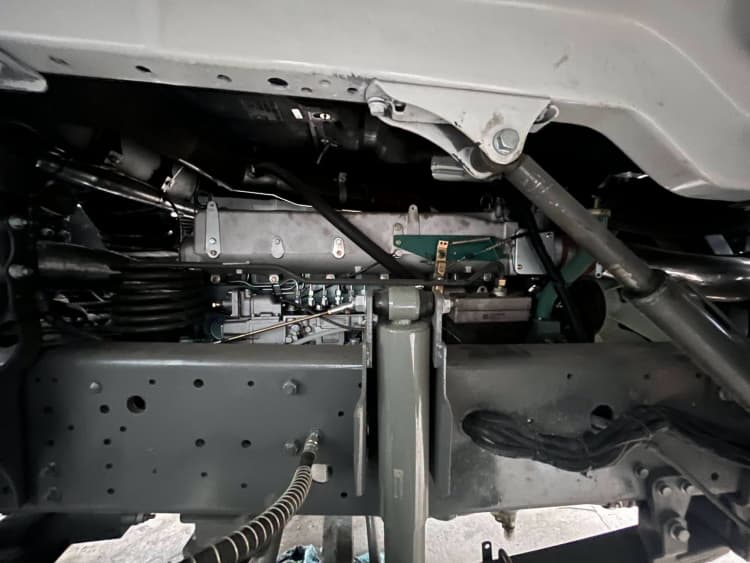
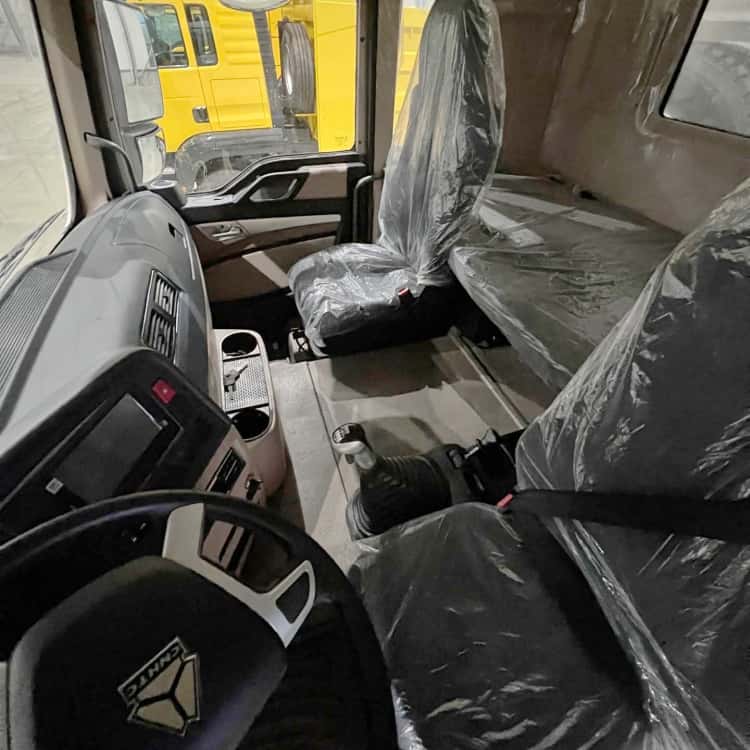
Full Parameter Table
- Model: Reman Howo 6×4 Truck Dump TX
- Drive Form: 6×4, high load-bearing capacity, built for bulk material hauling on mine & construction off-road terrain
- Engine: Remanufactured diesel engine, full disassembly overhaul, piston & sealing parts renewed
- Gearbox: Remanufactured manual gearbox, gear wear inspection, lubrication system replaced
- Chassis Frame: Crack‑detected, stress‑relieved, welding reinforcement where needed
- Suspension: Heavy-duty leaf spring suspension, component inspection & renewal
- Brake System: Fully regenerated & renewed WABCO air brake assembly
- Hydraulic System: Brand‑new hydraulic pump, oil cylinder and pipeline, leak‑tested
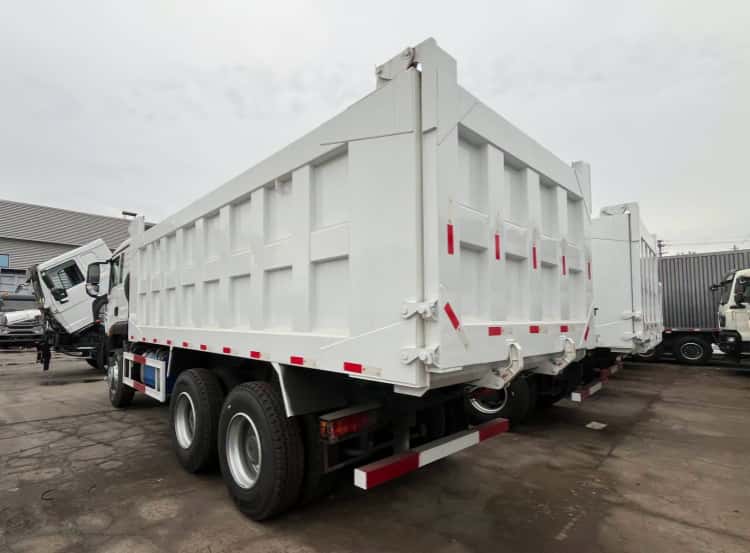
- Dump Body (Customizable): Reinforced high-tensile steel tipper body, customizable volume & plate thickness
- Tire Specification: Well‑conditioned heavy‑off‑road tyres, optional new tyre upgrade
- Fuel Tank: 400L aluminum alloy fuel tank, all pipelines fully replaced
- Cabin Assembly: HOWO TX cabin, component reman & interior overhaul
Truck Remanufacturing Process
REMAN ROAD Industrial remanufacturing follows a fixed sequential workflow centered on component screening and regeneration:
- Base Asset Qualification Audit: Evaluate if the base vehicle’s core structure qualifies to enter reman production
- Full Disassembly & Deep Degreasing: Fully take apart the vehicle and clean grease, rust and sediment off all separate components
- Component Inspection, Grading & Regeneration: Test each part, regenerate eligible assemblies, scrap unqualified parts
- Component Matching & Reassembly: Rebuild vehicle using graded reman components and brand-new replacement parts
- Multi-System Calibration & Performance Testing: Calibrate all systems and carry out load & functional validation
- Reman Document Generation & Quality Release: Compile complete reman records and issue quality certification
Acceptance Checklist to Verify Genuine Reman Before Shipment
Use this checklist to verify whether a heavy vehicle is genuine industrial reman, instead of cosmetic refurbishment:
- Check full disassembly records to confirm the vehicle was fully stripped, not partially opened.
- Review component grading sheets, confirming all safety parts have been inspected or renewed.
- Check system load test report, not just simple start-up video.
- Confirm reman archive package can be provided for audit.
- Compare quoted scope: confirm whether component regeneration is included, not only exterior repaint.
Reman Dump Trucks Operation & Preventive Maintenance Philosophy
Reman dump trucks for sale still require standardized maintenance to preserve regenerated component performance:
- Daily Pre-Shift Functional Check: Focus on fluid leakage, brake response and hydraulic system performance.
- Scheduled Component Service: Follow maintenance cycles for filters, lubricants and wearable parts.
- Periodic Re-Inspection for Regenerated Assemblies: Regularly check regenerated engine and transmission assemblies.
- Avoid Overloading: Overload accelerates fatigue on regenerated components and shortens service life.
- Component Life Tracking: Keep operation logs to monitor remaining service life of key reman assemblies.
RFQ
- Q: What is the difference between standard reman and custom-depth component regeneration?
A: Standard reman follows our fixed industrial benchmarks covering full disassembly, component grading and mandatory renewal of all safety parts. Custom-depth regeneration adjusts inspection and renewal scope according to your site load intensity, while still complying with REMAN ROAD core quality thresholds. - Q: How do reman traceability documents support your fleet’s project audit?
A: Our reman archive records component serial numbers, fatigue test results and part replacement logs. These formal documents can be submitted for internal fleet audit, tender review and ESG compliance verification for large engineering projects. - Q: How will continuous high-hour operation affect the service life of reman components?
A: Long daily working hours accelerate component fatigue. We will adjust reman testing standards and recommend tailored preventive maintenance cycles based on your site running hours to extend asset service life. - Q: Can we specify extra acceptance tests for regenerated assemblies before shipment?
A: Yes. You may add customized functional or load testing requirements for engine, braking and hydraulic assemblies. All extra test items will be documented into the final reman report. - Q: What factors will influence the production lead time of reman dump trucks for sale?
A: Key factors include order volume, custom reman scope, availability of base chassis and customized component testing requirements. We will confirm a fixed timeline once your technical specification is finalized. - Q: What technical support can your team provide after reman dump trucks for sale delivery?
A: We supply digital reman records, maintenance guides and remote engineering support for regenerated assemblies. We also offer spare part recommendation lists matched to your reman fleet. - Q: What criteria will be used for final acceptance of reman dump trucks for sale?
A: Final acceptance follows our quantifiable reman benchmarks, including component inspection records, system functional test data and load performance verification, rather than simple visual inspection.