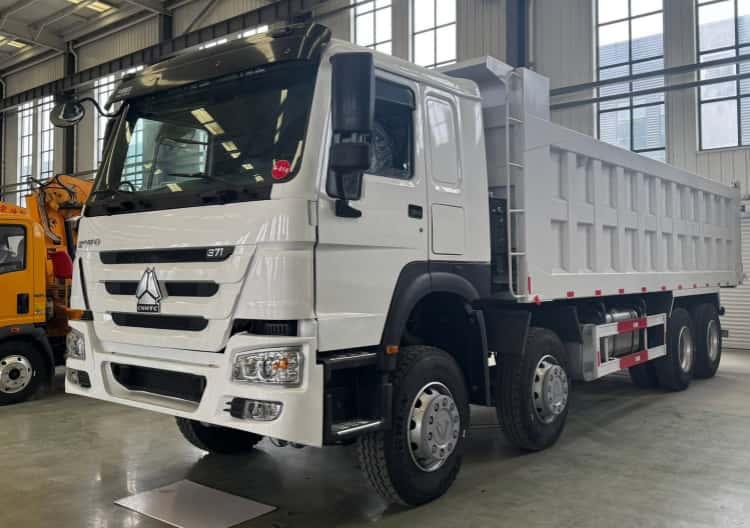
Why African Logistics Fleets Are Investing in Standardized Reman Trucks?
Introduction
Logistics operators across Africa operate within uniquely tough constraints: volatile currency, limited access to affordable financing, poor road surfaces, extreme heat and dust, inconsistent fuel quality, and long waits for imported new vehicles and spare parts. Many fleets once faced only two unsatisfactory choices: expensive brand-new trucks with multi-month lead times, or cheap unvetted used imports prone to sudden breakdowns and hidden structural failure.
Standardized reman trucks from REMAN ROAD fill this critical gap. They are engineered and validated to survive African operating environments, with controlled upfront cost, predictable reliability and auditable documentation that fits the business reality of regional logistics, cross-border haulage, mining supply runs and infrastructure freight.
Severe CAPEX Pressure and Limited Access to Hard Currency
Most African logistics businesses operate with tight working capital and limited access to large-ticket equipment loans. New heavy trucks carry a very high purchase price, and currency volatility makes large forward commitments risky.
REMAN ROAD standardized reman trucks deliver near-new heavy-duty performance at roughly half the cost of an equivalent new unit. This lower entry price lets fleet owners add multiple revenue-generating trucks with the same budget that would only buy a small number of new vehicles. It also reduces exposure to exchange-rate shocks, a major concern for operators importing capital equipment.
For small and mid-sized logistics companies, this is often the only practical path to scale without overleveraging.
Long Lead Times for New Truck Imports
Factory order queues, port congestion, shipping delays and supply chain disruptions often stretch delivery timelines for new heavy trucks across many African markets. When a logistics firm wins a tender or a long-term freight contract, delayed equipment arrival can trigger heavy financial penalties and lost business.
REMAN ROAD maintains a steady pipeline of pre-qualified cores and batch reman capacity. Bulk orders can be fulfilled on far tighter schedules, helping fleets meet mobilisation deadlines for road construction, mine supply, agricultural haulage and cross-border trade corridors. Speed of delivery is not a minor convenience; it directly determines whether a fleet can honour its contract obligations.
Built to Survive Harsh Local Operating Conditions
African haulage routes test trucks continuously: unpaved murram roads, steep gradients, persistent dust, high ambient temperatures, frequent overloading and variable fuel quality. Many advanced late-model European trucks rely on complex emission electronics and high-grade AdBlue supplies that are unreliable in remote areas, leading to engine derating and expensive, hard-to-source repairs.
During the REMAN ROAD standardized reman truck workflow, units are inspected and adapted for regional duty cycles:
- Full NDT screening of frames and axles for fatigue from rough roads
- Reinforced filtration and cooling systems against heavy dust
- Powertrain calibration tuned for local fuel specifications and low-speed high-torque hauling
- Mandatory renewal of seals, bearings, brake assemblies and suspension components that wear fastest on poor surfaces
Every standardized reman truck completes loaded validation testing before export. This removes the “lottery risk” of buying generic used trucks whose hidden weaknesses only surface after a few weeks on remote routes.
Mitigating the High Cost of Unplanned Downtime
In many parts of Africa, breakdowns carry disproportionate costs. Service workshops and spare parts stock are concentrated in major cities; a truck failing hundreds of kilometres away can sit idle for weeks. Each day offline means missed delivery schedules, idle driver wages and lost contract income.
Standardized reman truck workflow reduces this risk through the full quality control sequence: NDT fatigue detection, mandatory replacement of time-limited consumables, dyno validation and loaded road testing. All critical failure points are addressed before shipment.
REMAN ROAD’s traceable records also help local service teams diagnose faults faster. Instead of guessing the rebuild history, mechanics can reference the full component manifest and test data, shortening repair cycles when service is required.
Compatibility With Established Local Parts Ecosystems
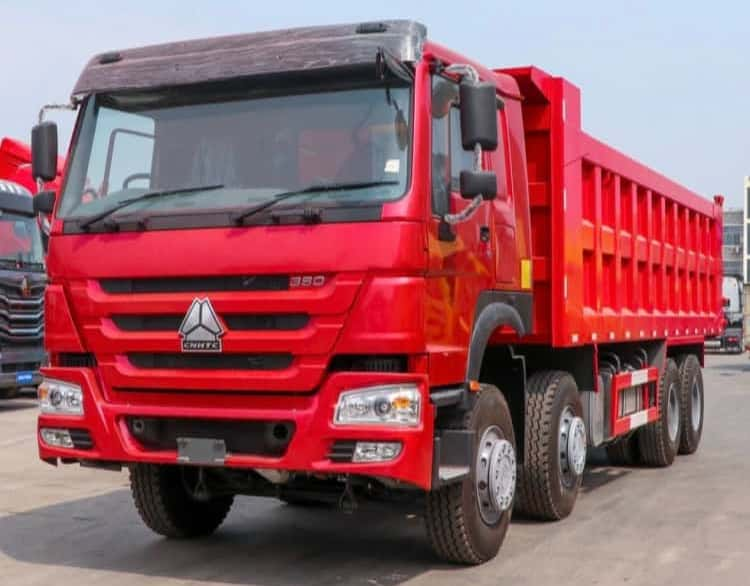
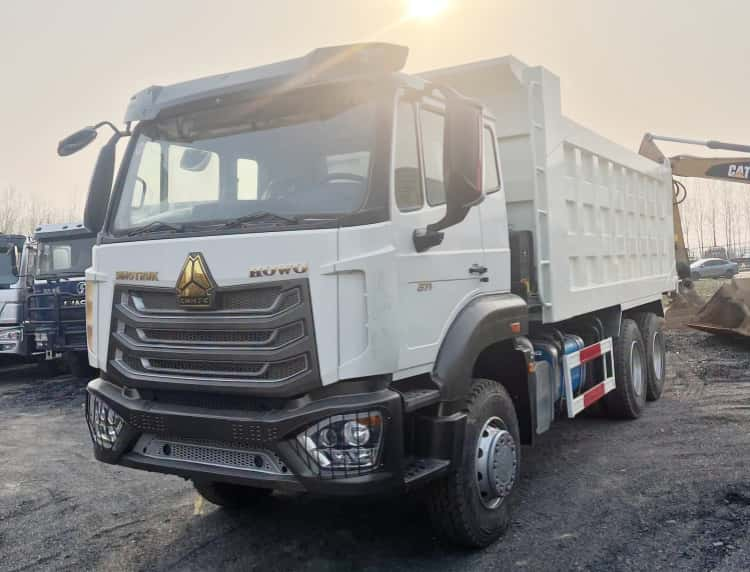
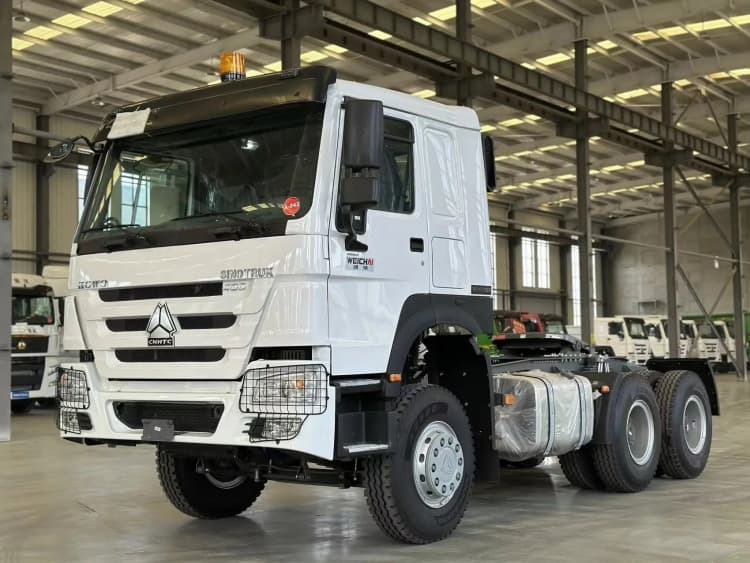
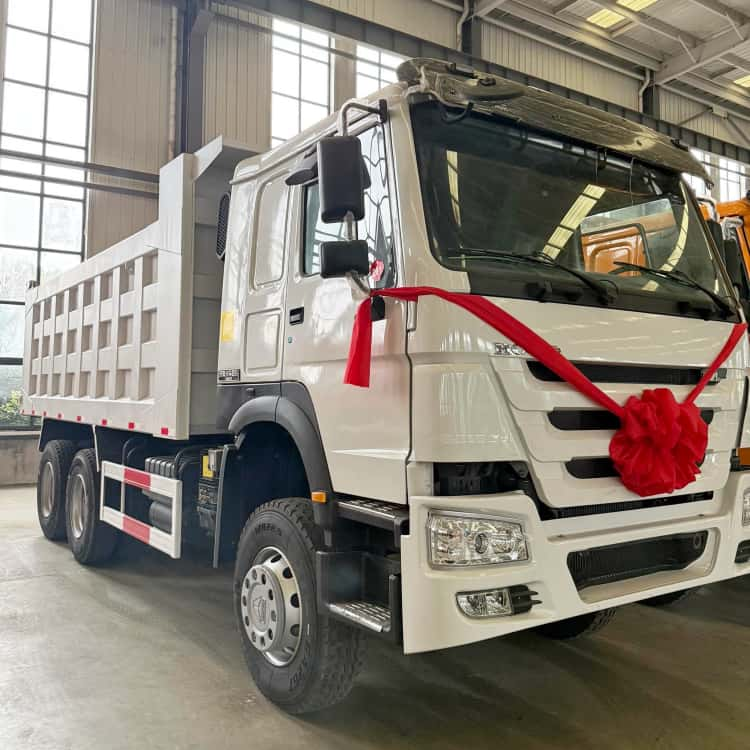
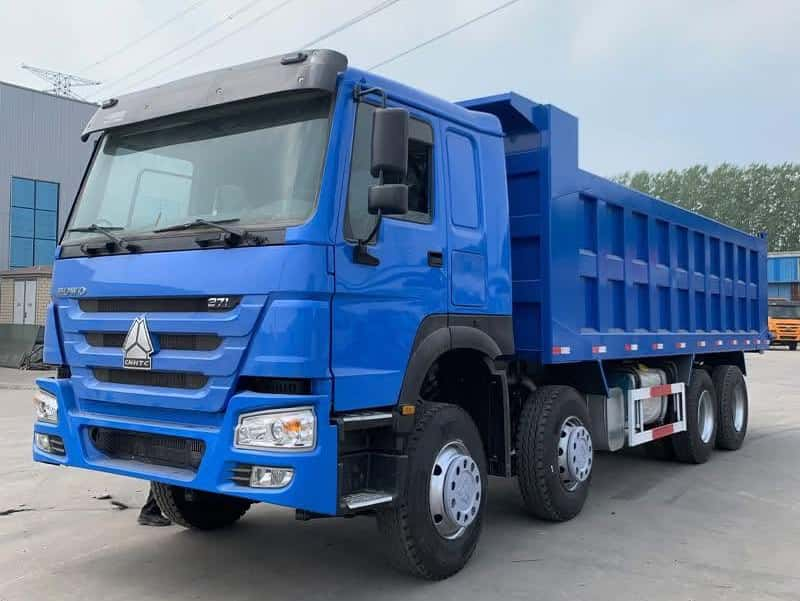
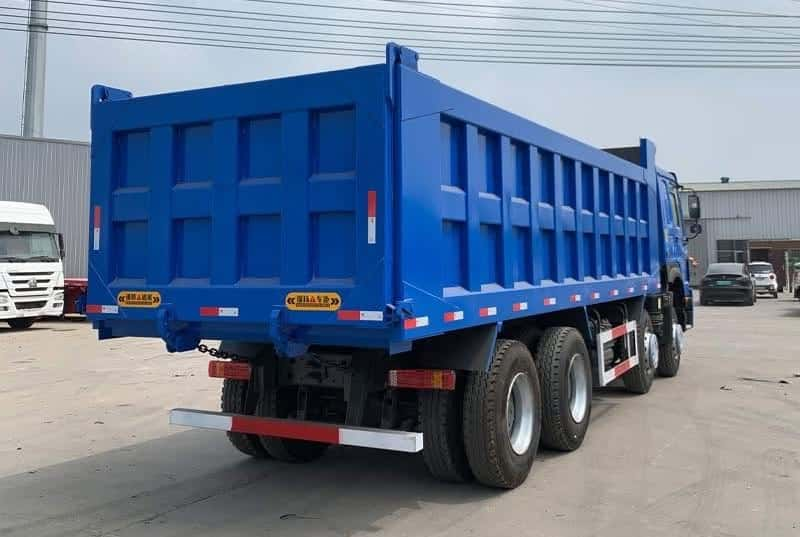
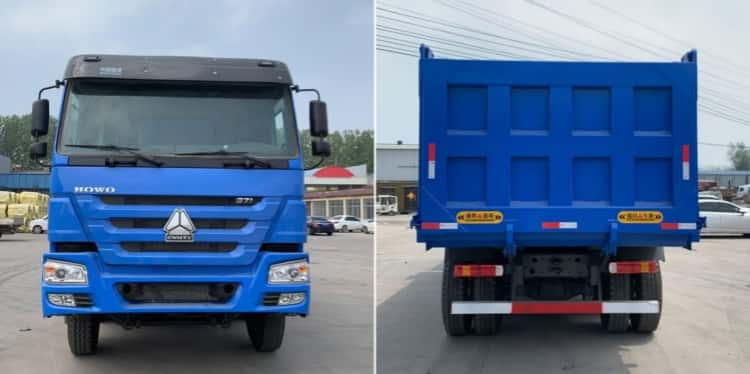
Most REMAN ROAD standardized reman trucks are built on widely recognised platforms including HOWO and SHACMAN, models with mature spare parts networks across Nigeria, Ghana, Kenya, Tanzania, Zambia and South Africa. Local mechanics are already familiar with these engine and transmission layouts, and critical service components are stocked regionally.
This is a major advantage compared with imported premium European trucks, where specialist diagnostic tools and genuine parts carry extreme price premiums and long wait times. The standardized reman truck workflow preserves that field-serviceable design, while resetting component life to OEM-equivalent standards.
Clear Documentation for Customs, Tenders and Cross-Border Compliance
Cross-border freight across ECOWAS, SADC and COMESA corridors demands consistent paperwork. Informal used truck imports often carry ambiguous histories, disputed valuations, mileage rollback risks and customs clearance delays. Many government and infrastructure tenders now require formal inspection certification and asset traceability.
Every REMAN ROAD standardized reman truck ships with a complete traceability dossier: core grading records, NDT reports, dyno test results, parts replacement manifests and formal certification. These documents simplify port clearance, satisfy tender evaluation requirements and provide proof of asset condition for financiers and insurance providers.
For ESG-focused infrastructure and mining clients, the LCA carbon reduction statement is an additional differentiator that generic used or locally overhauled trucks cannot supply.
Better Resale Value and Flexible Asset Turnover
African logistics fleets frequently rotate assets after contract completion. Uncertified used trucks depreciate sharply, because the next buyer assumes high hidden risk.
REMAN ROAD’s transferable certification, warranty and immutable quality records reduce that risk discount. When a fleet needs to resell, re-lease or redeploy trucks to another project, standardized reman truck hold more stable residual value. This flexible exit strategy is especially valuable for contractors working on fixed-term infrastructure and mine logistics jobs.
The Critical Difference From Cheap Local Refurbishment
Local workshop overhauls and cosmetic repaints remain widely available at very low prices, but they typically skip systematic NDT, reuse aged bearings and seals, and keep no formal inspection records. These trucks may run for a short period, only to suffer catastrophic frame, crankshaft or transmission failure on remote haul roads. For African fleets, one major roadside failure can erase the upfront savings from buying a low-cost refurbished unit.
Standardized reman truck is not repainting and patching. It follows a fixed industrial reman truck workflow with pass/fail engineering criteria, independent testing and auditable proof for every unit.
Closing
African logistics fleets invest in REMAN ROAD standardized reman trucks because the model matches their operating and financial reality. It solves the triple pressure of scarce capital, slow new-vehicle supply and punishing off-highway operating conditions.
With lower upfront CAPEX, faster delivery, dust-and-fuel-adapted powertrain setups, traceable quality records and support from established regional spare parts networks, standardized reman delivers a balanced path for fleets expanding cross-border freight, mine supply and infrastructure haulage. It gives operators a reliable middle ground between unaffordable new trucks and high-risk undocumented used imports.