Environmental Benefits of Heavy Truck Remanufacturing
Introduction
Heavy truck manufacturing consumes enormous volumes of virgin steel, alloy metals, fossil energy and water. Every new chassis, engine block, axle housing and gear set carries a heavy embodied carbon footprint.
Certified heavy truck remanufacturing under the REMAN ROAD framework reuses structurally sound core components instead of melting and recasting from raw materials. It is a proven circular solution that cuts resource depletion, lowers greenhouse gas emissions and reduces industrial waste, without sacrificing vehicle performance or safety.
Massive Reduction in Embodied Carbon Emissions
The single largest environmental advantage is carbon abatement. Producing a heavy truck’s main structural and powertrain components involves ore mining, smelting, forging, casting and precision machining — all highly energy-intensive processes.
Certified heavy truck remanufacturing retains qualified core parts after rigorous NDT inspection and precision rework. Only worn or damaged components are replaced. Multiple lifecycle studies confirm that standardised certified truck remanufacturing avoids a large share of the carbon emissions associated with new production. REMAN ROAD issues formal LCA-based carbon reduction records for every certified unit, which fleets can use for ESG reporting, carbon audits and green tender submissions.
Unlike simple repair or refurbishment, certified truck remanufacturing delivers verifiable emission savings, not just cosmetic improvements.
Conservation of Finite Mineral and Metal Resources
Steel, chromium, nickel and other alloying metals used in heavy trucks come from non-renewable mineral deposits. Mining these materials causes habitat disruption, soil erosion and biodiversity loss.
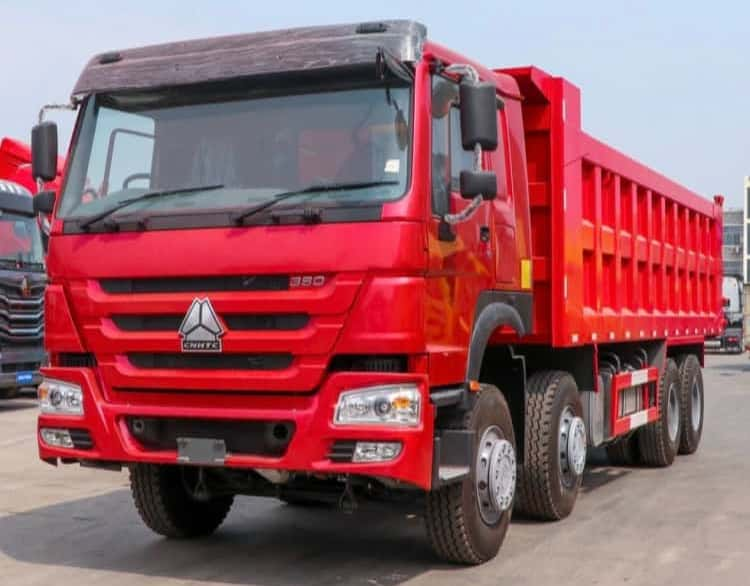
By reusing eligible frame beams, engine blocks, gear housings and axle castings, reman reduces demand for virgin ore. Each reman truck keeps tons of metal out of the raw production stream. Materials that fail inspection are still sent for controlled recycling, forming a closed loop rather than ending up as scrap waste in unregulated disposal channels.
Lower Energy Consumption Compared to New Production
Even when accounting for disassembly, cleaning, machining, testing and component reassembly, the total energy input for reman is far less than building an equivalent new heavy truck.
Smelting and casting metal require extreme heat and continuous power. Reman’s machining and reconditioning steps operate at a much lower energy baseline. This energy saving directly translates to fewer fossil fuel inputs and lower indirect emissions.
Reduced Industrial Waste and Pollution
New component manufacturing generates large volumes of metal slag, machining swarf, chemical waste and process water contaminated with heavy metals.
In the REMAN ROAD heavy truck remanufacturing workflow, parts are sorted into clear streams: reconditionable stock, mandatory replacement parts and non-repairable scrap. Scrap metal is channelled to formal recycling facilities. Waste streams are segregated and managed at authorised reman hubs. This avoids uncontrolled dumping of worn truck components, leaked lubricants and hydraulic fluids common in informal repair yards.
Proper cleaning, oil recovery and fluid handling also cut soil and groundwater contamination risk.
Less Water Usage
Metal smelting, casting and surface treatment for new truck parts are water-intensive operations. Ore processing, cooling systems and industrial washing consume millions of litres of water annually for heavy vehicle production.
Heavy truck remanufacturing still uses water for component cleaning, but the volume is only a fraction of what is required for primary metal production. For regions facing water scarcity, this resource saving adds another meaningful environmental benefit.
Extended Asset Lifespan Delays End-of-Life Disposal
A well-built heavy truck chassis can safely serve multiple service cycles, provided hidden fatigue is detected and removed. Certified reman truck the service life of eligible cores, postponing the point at which the entire vehicle must be scrapped.
This slows the rate of heavy vehicle waste generation. Instead of a truck becoming scrap after one service cycle, it can deliver another full term of heavy-duty operation through the certified truck remanufacturing ecosystem. When it finally reaches the end of its usable cycles, its materials enter formal recycling.
Distinction: Remanufacturing vs Scrap Recycling
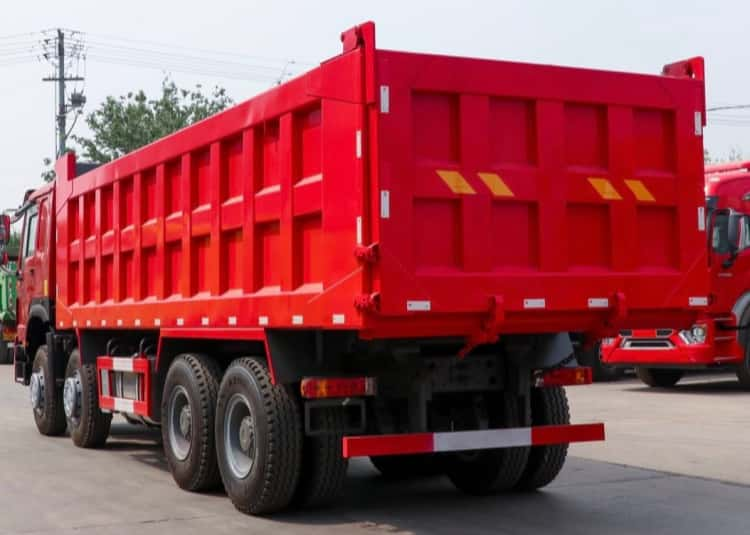
Recycling melts metal down to raw material again, which still requires high energy for re-smelting. Remanufacturing preserves the existing value and material form of functional components. It sits higher in the waste hierarchy: reuse before recycle.
A core reused in heavy truck remanufacturing avoids the emissions and resource cost of both new production and re-melting. This is why certified truck remanufacturing is recognised as one of the most efficient circular economy actions for heavy transport assets.
Supporting Fleet ESG and Green Procurement Goals
For fleet operators, mining contractors and logistics companies, environmental performance is no longer optional. Many tenders, financing programmes and customer contracts now require ESG evidence.
REMAN ROAD certified reman trucks come with auditable environmental documentation, including carbon saving data and material reuse records. Fleets can incorporate these figures into sustainability reports, demonstrate circular economy compliance and qualify for green project bidding opportunities that exclude uncertified used or overhauled equipment.
Clear Limitations for Transparent Communication
Heavy truck remanufacturing is not zero-emission. It still consumes energy for testing, machining, logistics and new replacement parts. It also relies on proper maintenance by fleet operators to maintain its environmental performance over the reset lifecycle.
These facts are fully disclosed in REMAN ROAD documentation to prevent greenwashing. Environmental benefits are measured and reported based on standardised lifecycle assessment rules.
Closing
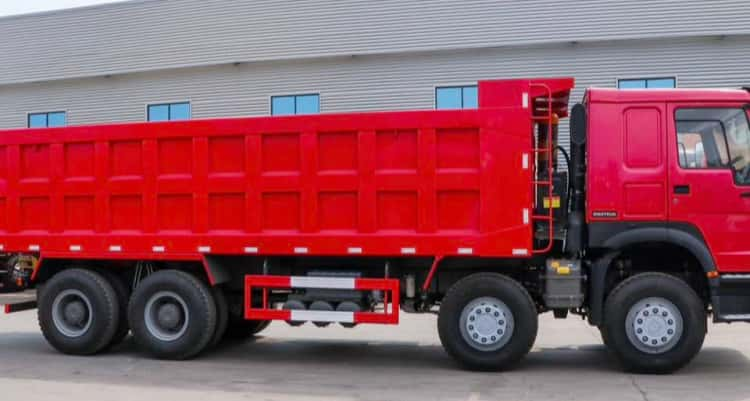
Heavy truck remanufacturing delivers tangible, measurable environmental benefits. It cuts embodied carbon, conserves minerals and water, reduces industrial energy use and waste pollution, and extends the useful life of durable heavy vehicle assets.
As part of REMAN ROAD’s global circular ecosystem, certified truck remanufacturing turns old truck cores into high-performance working assets, balancing the operational needs of heavy haul fleets with long-term environmental responsibility.