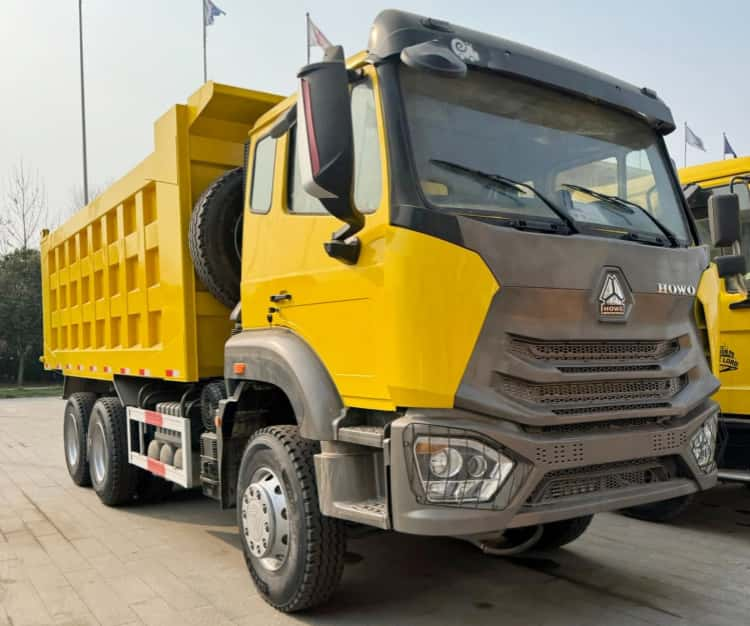
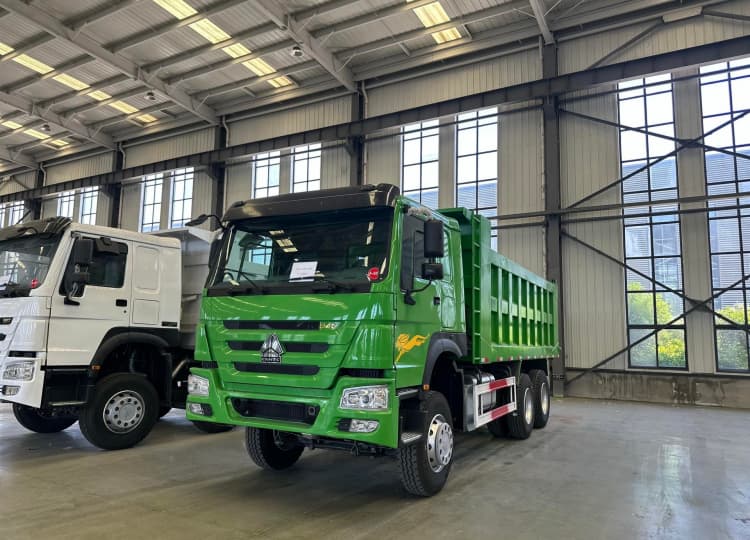
Capital Efficiency: Deploying the Same Budget Across More Certified Remanufacturing Trucks
Introduce
Fleet capital budgets are almost always constrained. Many operators face a simple trade-off: spend heavily on a small number of new trucks, or stretch the same budget to add more working capacity.
Capital efficiency is not the same as buying the cheapest vehicle available. It is about getting the maximum usable, reliable operating capacity per dollar of committed capital. Certified remanufacturing trucks are a powerful tool for this goal. When they are properly specified, verified and matched to suitable workloads, the same budget that funds a handful of new trucks can support a larger fleet of reman units, without slipping into the uncontrolled risk of generic used stock.
The core arithmetic of capital spread
New heavy-duty trucks carry a large upfront capital burden. A single new unit consumes a big slice of the annual capex budget.
If a fleet’s budget only allows purchasing two new trucks, that is the limit of the expansion. The organisation gains two high-margin assets, but its ability to scale operational volume is capped.
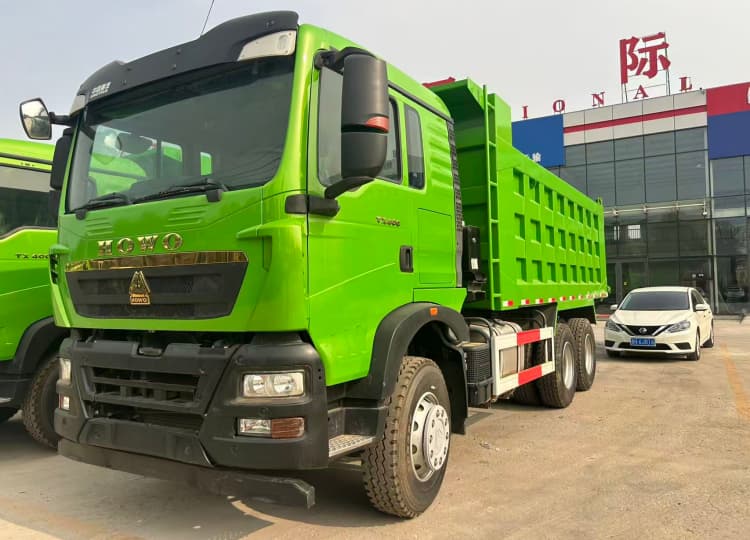
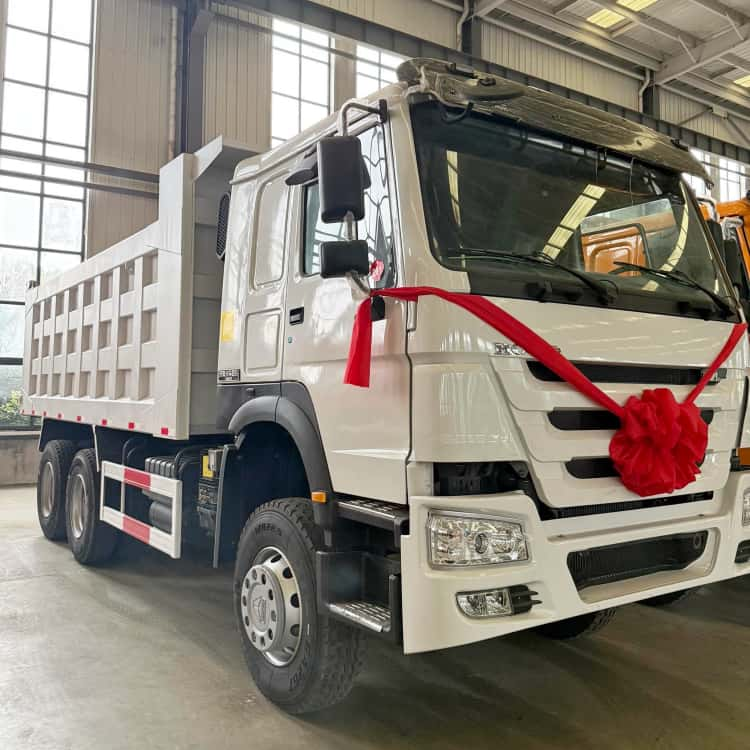
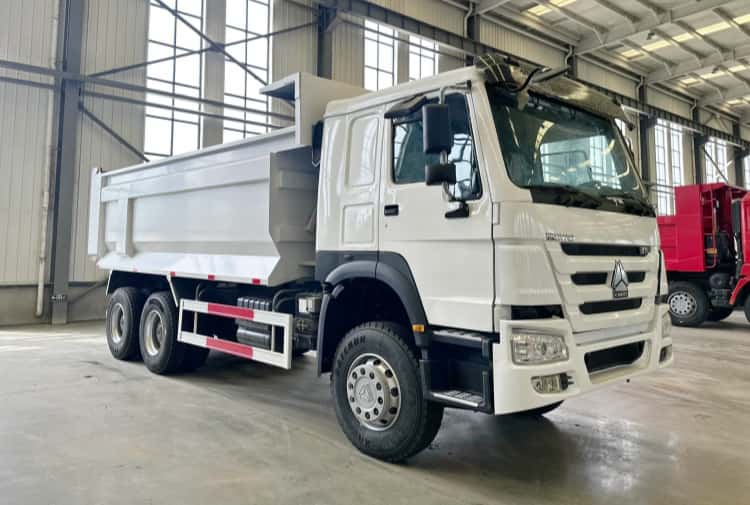
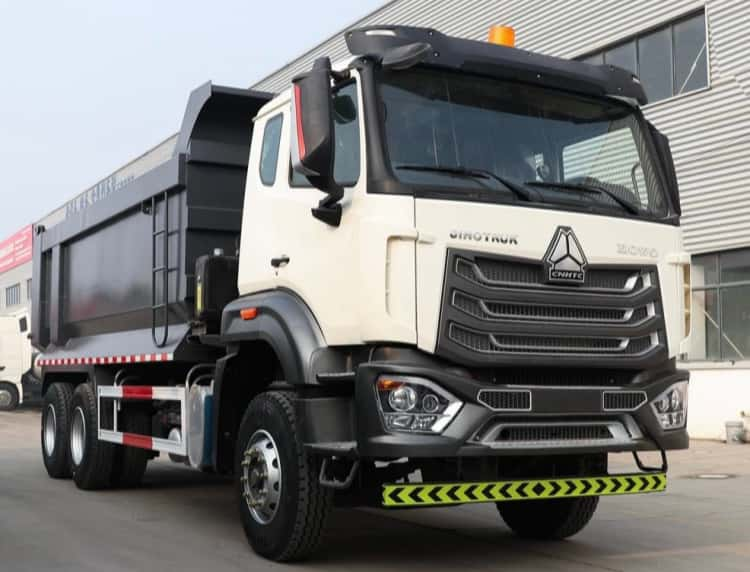
With certified remanufacturing trucks, the per-unit entry price is substantially lower. The same budget can fund four, five or more reman trucks, depending on model and specification. Every unit comes with a formal intake screen, fatigue assessment, system reset and traceable evidence package.
This is the fundamental capital efficiency gain. The budget size does not change, but the number of available working assets increases. More vehicles mean more load runs, more route coverage and higher operational throughput, given suitable workloads.
This gain only holds when the remanufacturing trucks is genuine, not an uninspected overhaul. A cheap, uncertified rebuild also spreads capital further, but it adds unmeasured downtime risk that destroys net efficiency.
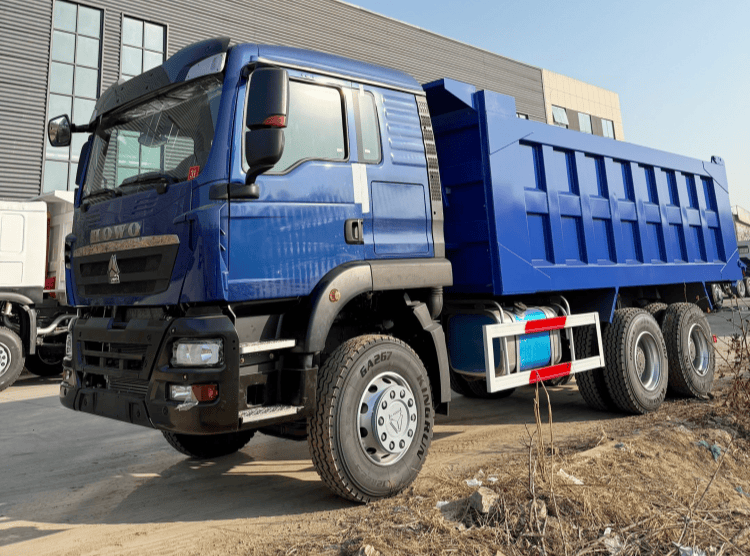
Lower capital lock-up reduces balance-sheet pressure
New trucks tie up capital for years. Their book value drops quickly in the early depreciation phase, and financing commitments are large.
Certified remanufacturing trucks require less equity and smaller loan principal. Monthly repayment, lease or hire-purchase obligations are lighter. The fleet’s capital is not locked into a small pool of high-value assets.
This creates flexibility for cash flow management. The business retains reserve capital for fuel, maintenance, labour, emergency repairs and operational shocks. It avoids overcommitting the balance sheet to fixed asset payments.
For growing fleets, this is especially valuable. Growth can be incremental, without waiting for large one-off capex approvals to fund new truck purchases.
It builds capacity without overconcentrating asset risk
Buying only new trucks concentrates value into a small asset pool. If that small group hits simultaneous downtime, the fleet’s entire revenue capacity suffers.
Spreading the same budget across a larger set of certified remanufacturing trucks distributes operational risk. The fleet has more vehicles to rotate, cross-cover routes and absorb individual unit outages.
This does not mean the risk disappears. Each certified remanufacturing trucks has a bounded residual margin and a defined duty envelope. But the risk is diversified across more separate assets, rather than concentrated in a tiny high-value group.
A well-structured mix still reserves new trucks for high-consequence, heavy-duty routes. The reman fleet expands the capacity base for stable, matched workloads.
Efficiency depends on disciplined duty matching
The capital advantage vanishes if remanufacturing trucks are misassigned.
The efficiency model assumes each remanufacturing trucks operates within its approved duty classification. When payload, terrain and cycle intensity stay within the documented envelope, margin consumption follows predictable curves, maintenance costs are forecastable, and downtime risk stays within the modelled bounds.
If operators push remanufacturing trucks beyond their design limits to extract extra output, fatigue accelerates. Unplanned breakdowns rise, repair costs spike, and the fleet loses the TCO advantage. The extra capacity gained from the capital spread becomes a liability.
Capital efficiency is therefore paired with operational discipline. The fleet must map routes, assign assets by classification and enforce duty rules.
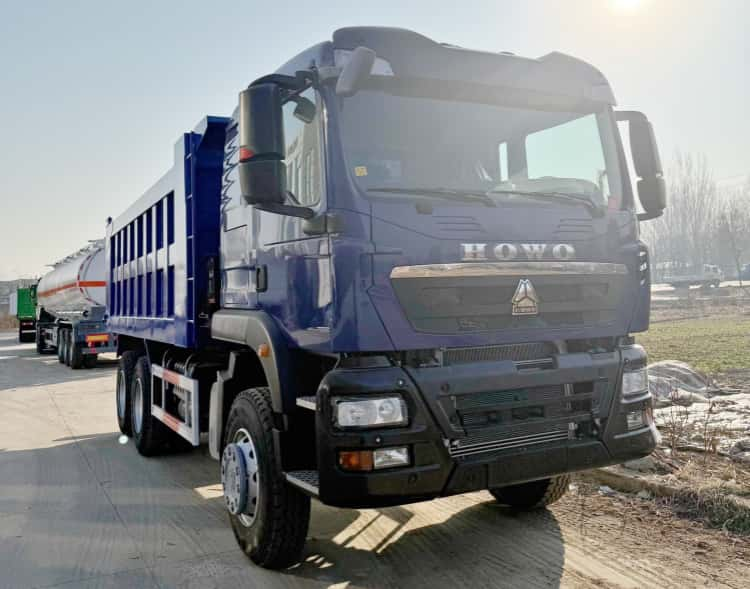
How residual value supports the efficiency loop
A common concern: lower purchase price also means lower resale value. For certified remanufacturing trucks, this is predictable and built into the model.
Because the audit trail travels with the VIN, the residual value of certified remanufacturing trucks is not a guess. The next buyer, financier or verifier can review its intake screening, reset date, duty history and test records.
This predictable residual value supports better depreciation planning. The fleet can model the holding cycle accurately, knowing when the asset will be re-evaluated for another reman reset, component harvesting or recycling.
Generic used trucks lack this evidence trail, so their residual value is volatile. Certified remanufacturing trucks’s traceability stabilises the exit value, making the capital-spread strategy easier to model.
The difference between capital efficiency and blind cost-cutting
It is critical to draw a clear line. Blind cost-cutting chases the lowest possible price, accepting any rebuild, cosmetic refresh or partial overhaul. It increases asset count, but downtime risk is unknown. The fleet trades capital expense for volatile operational expense.
Capital efficiency using certified remanufacturing trucks preserves the standard threshold. The intake gate, fatigue screening, full disassembly, component grading, system calibration and loaded validation are all completed. The only variable is the starting core and the bounded residual margin.
The fleet is not sacrificing safety or validation. It is choosing a different asset class with a different cost baseline and a different risk boundary.
Practical portfolio example
A simplified illustration of the strategy:
- Budget: fixed capex pool for fleet expansion
- Option 1: Purchase 2 new trucks. High per-unit value, full factory margin, limited asset count.
- Option 2: Deploy the same budget on 4 certified remanufacturing trucks. Lower per-unit cost, bounded residual margin, more working assets, for stable medium-light duty.
The fleet can combine both options. It uses part of the budget for new trucks on critical heavy routes, and the remainder to multiply capacity with remanufacturing trucks for steady backhaul, local shuttle and support runs. This delivers both operational resilience and capital efficiency.
Closing thought
Capital efficiency is not about buying inferior assets. It is about allocating limited capital to maximise controlled, usable fleet capacity.
Certified remanufacturing trucks allows fleets to spread the same budget across more working trucks, reduce the size of locked-up capital, diversify operational capacity and support incremental growth. The strategy works only when every remanufacturing trucks carries full traceable validation and is strictly assigned to workloads within its duty envelope.
When managed correctly, this approach turns constrained capital into a larger, more flexible fleet, while keeping risk measurable and TCO predictable.