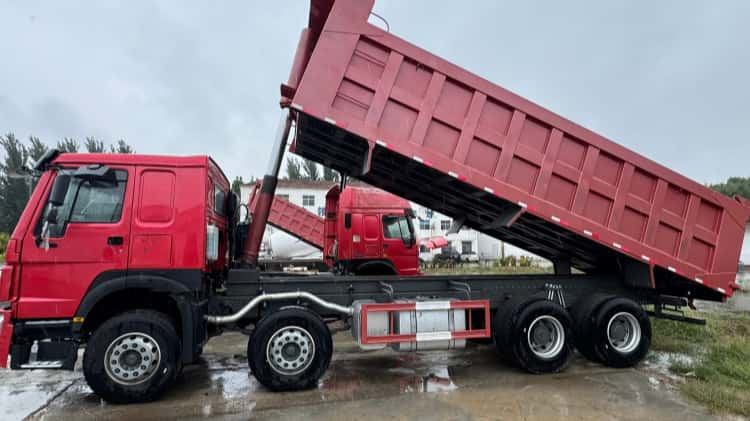
The Balanced Fleet: Why Operators Mix New and Certified Remanufactured Trucks?
Introduce
Many fleet operators frame the decision as an either-or choice: buy new trucks, or switch entirely to certified remanufactured trucks. This is a false dilemma.
Mature fleets build a balanced asset portfolio. They place new trucks and certified remanufactured trucks side by side, assigning each to the workload where its strengths deliver the best financial and operational outcome. This mix is not a compromise. It is a deliberate TCO optimisation strategy that aligns asset capacity, risk profile and capital budget with real-world operating conditions.
New trucks carry full margin for high-risk, high-intensity duty
Brand-new heavy trucks come with the full OEM structural fatigue margin, factory warranty and unrestricted rated duty cycle.
This makes them the natural fit for the most punishing roles. Continuous heavy over-the-road hauling, remote mine-site transport, rough off-road cycles, tight delivery schedules and high-priority revenue routes are where new assets earn their keep. Their generous safety buffer absorbs shock loads, frequent cyclic stress and unpredictable site conditions.
When failure means costly, cascading downtime, the full factory margin and OEM support network reduce operational risk. New trucks are reserved for duty where the cost of breakdown is far higher than the monthly capital expense.
That said, new trucks lock up large amounts of capital. Their depreciation curve is steepest in the first few years, and they are expensive to deploy on low-margin, less demanding runs.
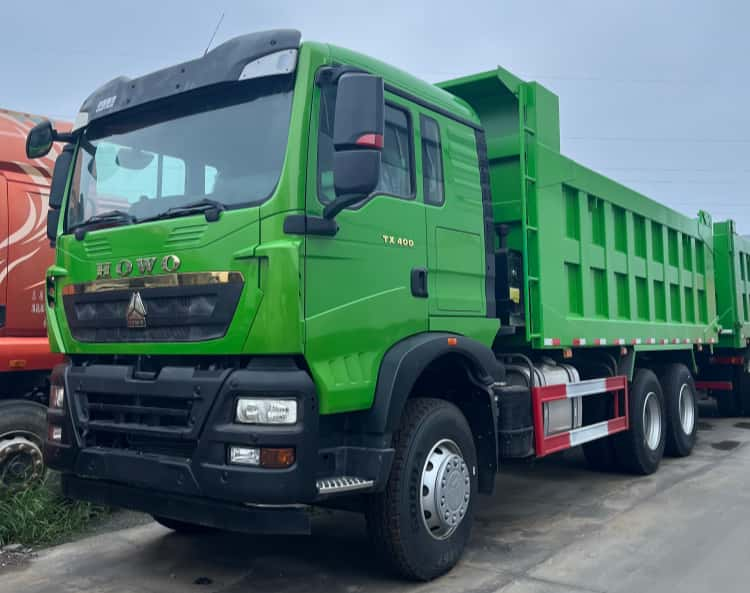
Certified remanufactured trucks bring bounded, predictable value for matched workloads
Certified remanufactured trucks are not designed to replace new trucks in every role. Their strength is a quantified, known residual structural margin paired with a defined duty envelope.
They are ideal for stable, predictable, lower-stress assignments. This includes local shuttle runs, regional light-to-medium haul, scheduled backhaul loops, standby backup units and non-critical support transport. For these routes, workloads are consistent, overload events are rare, and downtime has manageable financial impact.
Certified remanufactured trucks’s lower upfront cost flattens capital expenditure. Its traceable records make reliability, maintenance cadence and residual value easier to forecast. The fleet avoids pouring high-value new-asset margin into routine, low-risk cycles that do not require full factory safety reserve.
The key rule is matching the asset’s approved duty classification to the route’s stress profile. Certified remanufactured trucks assigned beyond its envelope will erode its margin quickly and destroy its TCO advantage.
Mixing them smooths capital expenditure and cash flow
Fleet capital planning is one of the biggest practical reasons to maintain a mixed pool.
If a fleet only purchases new trucks, large lump-sum payments cluster together. Budget spikes, financing pressure and large depreciation hits arrive in waves. When multiple new trucks age in lockstep, the fleet faces a future replacement cliff all at once.
Adding certified remanufactured trucks spreads out spending. Remanufactured trucks require less upfront investment, so the fleet can incrementally refresh capacity without triggering massive capital outlays. Operators can stagger asset entry dates, creating a layered age profile. This eliminates the “all-new or all-old” cycle that creates budget volatility.
This staggered portfolio also stabilises insurance and financing terms. Lenders and underwriters recognise the predictable risk profile of certified remanufactured trucks, rather than treating the whole fleet as high-risk generic used stock.
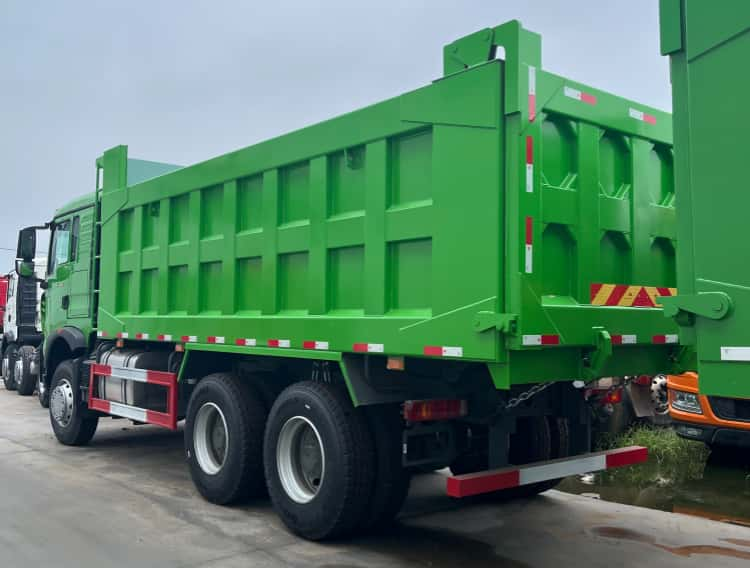
It balances risk distribution across the fleet
Every fleet carries an unavoidable risk portfolio. Concentrating risk in a single asset category creates vulnerability.
A fleet made entirely of new trucks carries financial risk: heavy capital tied up in assets that depreciate rapidly. A fleet made entirely of reman trucks carries operational risk: every unit has a finite residual margin, and the pool requires disciplined duty matching and regular fatigue reassessment.
The balanced mix diversifies that exposure. New trucks absorb the highest operational risk. Remanufactured trucks take on the stable, low-variability workloads. If one segment of the business slows, the fleet is not locked into heavy depreciation payments on a fleet of brand-new trucks. If demand spikes on critical routes, the new-asset pool is ready to handle the load.
It creates flexible rotation and succession planning
A mixed fleet supports smooth internal asset rotation.
New trucks can start on the harshest routes. After several years of first-life service, when their factory margin has been partially consumed, they may move to lighter duty. Once they reach the end of their first lifecycle and pass intake screening, they become candidates for reman reset.
Certified remanufactured trucks fill the lighter-duty slots while the newer assets remain focused on high-demand work. At the end of the reman second life, the traceability records support the next sorting decision: another reset, component harvesting or recycling.
This turns the fleet into a circular system. Assets flow through duty tiers instead of following a simple linear “buy, use, scrap” path.
It supports tiered maintenance and workshop planning
Different asset classes fit different maintenance rhythms.
New trucks follow OEM service schedules, covered by warranty programmes. Maintenance teams focus on compliance and preventive care. Certified remanufactured trucks follow their own standardised service plan tied to their reset baseline and duty classification. Inspections include periodic margin checks and system-balance monitoring.
When both types run side by side, the workshop can structure workflows efficiently. Warranty repairs for new assets are separated from scheduled reman-condition monitoring. The team develops clearer protocols for failure response, and can allocate high-skill technicians to the most complex work.
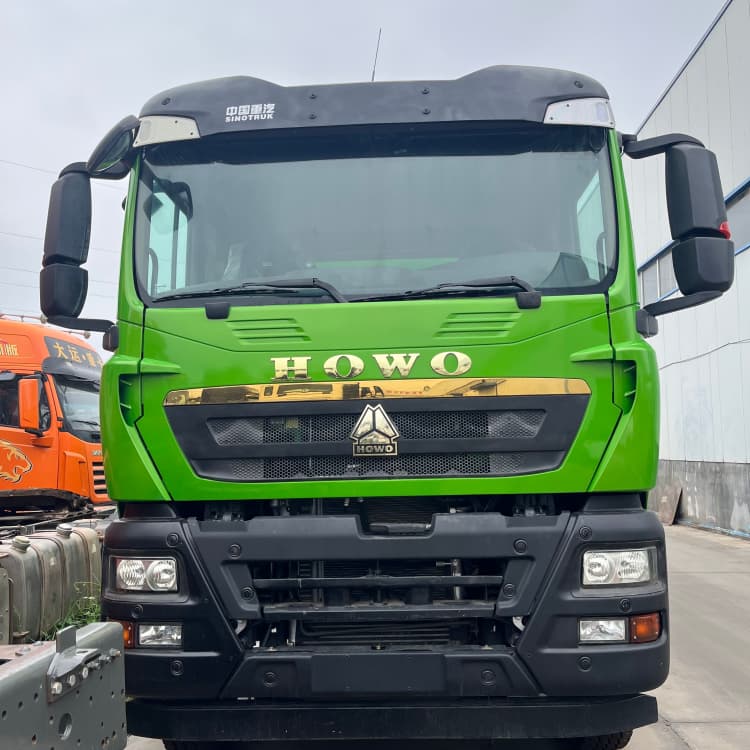
Common pitfalls of poor mixing
The benefits disappear if the matching logic is ignored.
- Placing remanufactured trucks on heavy, shock-intensive duty that exceeds their classified envelope: margin burns fast, downtime rises and the reman TCO advantage vanishes.
- Using new trucks on low-stress shuttle runs: valuable factory safety margin is wasted, and capital sits inefficiently.
- Buying remanufactured trucks without standardised certification and traceability: the fleet is no longer mixing new and reman; it is mixing new trucks with uncharacterised used trucks, and risk becomes unpredictable.
Balance is not simply “own some of each”. It is intentional assignment by duty and risk.
Closing thought
Operators mix new and certified remanufactured trucks to build a balanced fleet because the two asset classes solve different problems.
New trucks deliver the full safety margin and warranty support for high-stress, high-consequence workloads. Certified remanufactured trucks deliver controlled, cost-effective capacity for stable, matched cycles. Together, they smooth capital spending, diversify operational risk, enable tiered asset rotation and unlock better overall fleet TCO.
A balanced fleet is not a compromise between new and remanufactured trucks. It is using each asset category for the work it was engineered to handle.