The Intake Assessment Gate: Rules for Admitting a Truck Into Reman Process
Introduce
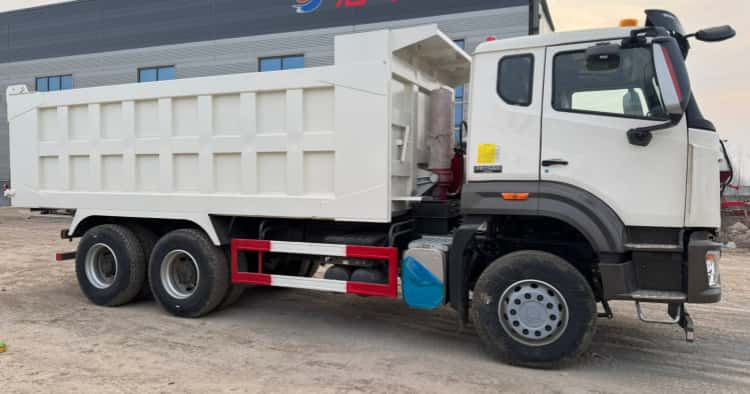
The intake gate is where the reman process journey begins — or ends. Before any disassembly, part replacement, cleaning or repair work starts, the incoming truck core goes through formal intake assessment. This gate prevents wasted labour, capital and components on cores that are structurally unsuitable for a lifecycle reset.
Many low-quality rebuilds skip this reman process. They accept every truck that arrives, then attempt to cover hidden defects with new parts and paint. For standardized reman process, intake assessment is a mandatory, documented decision point. The outcome sets the entire trajectory for the asset.
Rule one: Verify identity and close the service history gap
The first intake task is locking in the asset’s unique identity. Inspectors cross-check the VIN, OEM build records and available service logs. They flag inconsistent records, altered identifiers and undocumented major accidents.
A complete service history is ideal, but not always available. When records are missing, the assessment compensates with stricter physical screening. Unknown overload history, unreported frame impact and prior makeshift welding repairs automatically raise the risk rating.
If the truck cannot be reliably traced, or shows signs of tampering that obscure its service background, it may be rejected. Without a clear baseline, fatigue judgements cannot be trusted.
Rule two: Structural screening must confirm usable residual margin
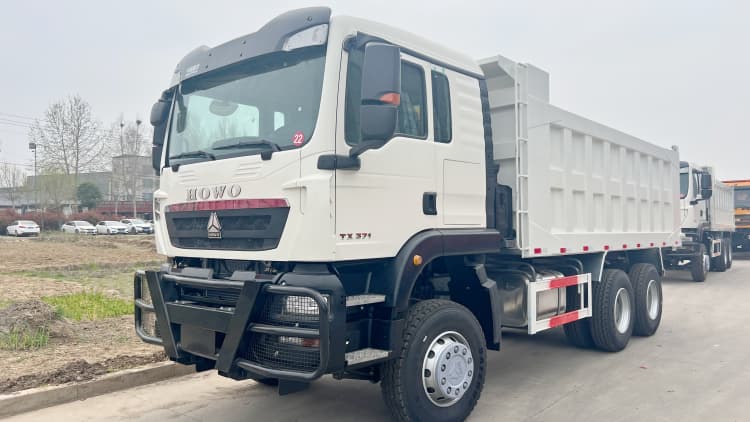
This is the core safety rule for intake. NDT inspection, dimensional survey and frame geometry checks target all primary load-bearing sections: main frame rails, crossmembers, axle housings, suspension mounting points and steering hubs.
The standardized reman process gate uses clear thresholds:
- No critical cracks, crack propagation or heat-affected damage from past impact or improper welding
- Frame geometry stays within OEM design tolerance; no permanent bend, twist or buckling
- Measured residual fatigue margin meets the minimum requirement for the target duty classification
A core is rejected at intake if damage is irreversible. Adding new engines, axles or hydraulics cannot fix compromised frame structure. Even if the truck still drives, it is not admitted to standardized reman process. It moves to component harvesting or recycling.
Rule three: Classify prior usage and cumulative stress
Not all mileage is equal. Two trucks with identical odometer readings can carry vastly different fatigue burdens.
The intake team reviews usage indicators: heavy haul cycles, off-road mining or construction duty, frequent overloading, thermal cycling and shock loading. A truck from a light highway fleet will have a different stress profile than one from a quarry or logging site.
This classification shapes the later duty envelope assigned after reset. If the core has a history of chronic extreme overload, even without visible cracks, inspectors may judge its remaining margin insufficient for a full reman reset.
Rule four: Assess economic feasibility alongside engineering feasibility
Engineering suitability is necessary, but not enough. Intake assessment also includes an economic filter.
The team estimates the total cost of the full reman workflow: disassembly, component grading, mandatory replacements, regeneration, calibration, loaded testing and verification. This cost is compared against the projected asset value after reset.
If the required investment exceeds the asset’s realistic second-life value, the core will be diverted. It may still be valuable for component harvesting, but it is not admitted for whole vehicle reman.
This standardized reman process protects the ecosystem from uneconomical reman attempts. Forcing a reset on a marginally viable core creates an asset that cannot deliver reasonable TCO benefits for buyers.
Rule five: Identify contamination and irreversible degradation
Material degradation and contamination are often overlooked intake risks.
Severe corrosion pitting that penetrates critical material layers, long-term chemical exposure, or widespread galvanic decay can quietly erode structural strength. Some corrosion can be cleaned and evaluated; advanced, deep pitting is irreversible.
Other red flags include sustained fluid contamination that has degraded multiple sealed assemblies, or fire damage that alters the heat treatment of load-bearing metal. These conditions may not show up as obvious cracks, yet they invalidate long-term reliability.
When such degradation is present, the core is refused entry to standardized reman process.
Rule six: Define the target duty envelope before work starts
The intake gate also sets the intended service target for the asset.
Inspectors decide what duty classification the core will aim for after reset: light highway haulage, medium regional transport, or limited off-road operation. This target informs the acceptable residual margin threshold and later validation standards.
A core that only holds enough remaining margin for light-duty work will not be accepted into a reman programme built for heavy off-road cycles. The target duty is matched to the physical capacity discovered at intake.
Three possible intake outcomes
After all checks, the assessment produces one of three formal decisions.
- Admit to standardized reman process: all engineering and economic criteria are satisfied. The core proceeds to disassembly and grading.
- Reject for whole vehicle reman process, approve for component harvest: the frame is unsuitable, but individual subassemblies like engines, axles or valves retain usable value. These parts are routed into component reman or spare stock.
- Reject for reman process and harvesting: structural damage is widespread, and few usable subassemblies remain. The core is sent for material recycling.
No conditional, partial or “proceed with caution” pass is issued for mandatory safety criteria.
What intake assessment is not?
It is important to separate intake assessment from later stages.
- It is not the final system validation. Loaded vehicle testing happens much later in the workflow.
- It is not component grading. Individual parts are inspected in detail after full disassembly.
- It is not a warranty promise. It is an upstream filter to confirm the core is eligible to pursue a lifecycle reset.
A pass at intake only means the core has cleared the first hurdle. It can still fail later gates during disassembly, testing or calibration.
Closing thought
The standardized reman process intake assessment gate is the ecosystem’s first filter. It judges identity, structural residual margin, cumulative stress, degradation risk and economic value before any rebuild work begins.
It keeps structurally unsuitable cores out of standardized reman process, protects downstream buyers from hidden fatigue risk, and sorts each truck into its highest-value circular pathway. Without this gate, standardized reman process becomes nothing more than a cosmetic rebuild with a borrowed name.