The Complete Step-by-Step Heavy Trucks Remanufacturing Workflow
Introduction
Genuine heavy trucks remanufacturing follows a strict, sequential workflow. It is far different from casual repair, partial overhaul or cosmetic refurbishment. Every trucks remanufacturing workflow is auditable, tied to REMAN ROAD’s unified trucks remanufacturing standards and recorded in the digital traceability system. Only when all gates are passed can a vehicle receive official certification and reset service life.
Step 1: Core Intake, Pre-Screening & Grading
Once an eligible truck core arrives at the authorised reman hub, the process officially begins. The quality team verifies the unique traceability ID, VIN, collection records and pre-shipment inspection files. Technicians conduct a full visual and structural check: frame integrity, signs of collision, fire damage, corrosion and overload deformation. The core is graded. Only Grade A cores move forward into full heavy trucks remanufacturing workflow. Units that fail are diverted for component harvesting or recycling. All inspection results are uploaded to the traceability platform.
Step 2: Full Disassembly & Component Sorting
The truck is completely disassembled down to individual parts, not just the easily accessible outer components. Every part is labelled and linked to the asset’s traceability record. Parts are separated into three groups:
- Reusable candidates that will go through cleaning, inspection and rework
- Mandatory replacement consumables and fatigue-prone components
- Damaged, fatigued or non-repairable parts to be scrapped
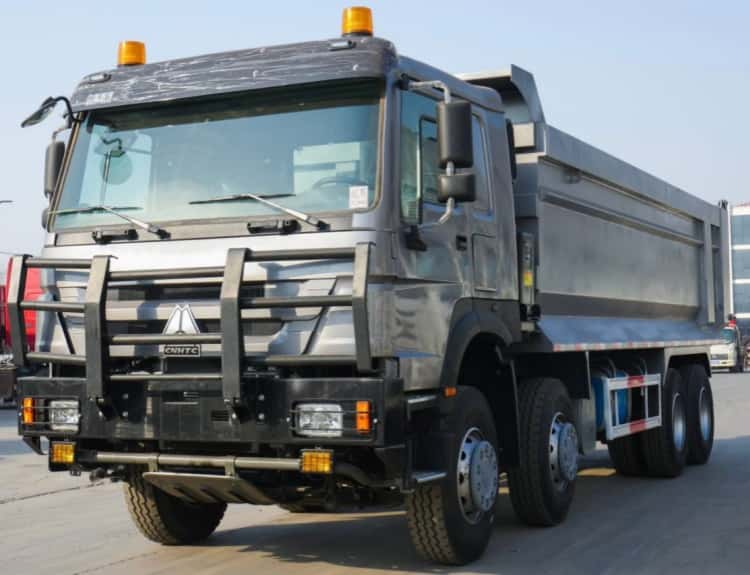
Step 3: Deep Cleaning & Contamination Removal
All reusable metal components undergo professional deep cleaning. Oil sludge, carbon deposits, rust, dirt and residual chemicals are removed. Cleaning is critical because hidden contamination can mask cracks, wear and dimensional defects. After cleaning, components are ready for precise inspection and measurement.
Step 4: Non-Destructive Testing (NDT) & Dimensional Inspection
This is one of the most critical quality gates that separates certified heavy trucks remanufacturing from overhaul. Key load-bearing parts — chassis frame, crankshaft, axle housing, connecting rods and gear housings — go through NDT to detect invisible fatigue cracks. Technicians take precise dimensional measurements and compare against OEM tolerance specifications. Any part out of tolerance or with hidden cracks is rejected and cannot be reused. All heavy trucks remanufacturing test reports are saved to the digital asset file for auditor review.
Step 5: Precision Machining & Component Remediation
Qualified reusable components receive precision machining to restore OEM dimensions. This includes crankshaft grinding, cylinder honing, surface resurfacing and thread repair where permitted by standards. Machining limits are strictly controlled. If a part cannot be brought back within OEM specification, it is replaced instead.
Step 6: Mandatory Component Replacement
All time-limited and wear-critical parts are replaced with new or OEM-grade certified alternatives, no exceptions. This category includes seals, gaskets, bearings, piston rings, filters, hoses, fasteners and brake consumables. A full parts replacement manifest is generated and logged into remanufacturing workflow traceability, so buyers know exactly which new components have been fitted.
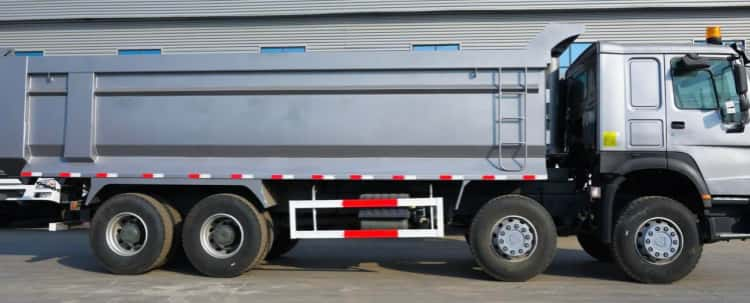
Step 7: Sub-Assembly Rebuild & Bench Testing
Components are reassembled into sub-systems: engine, transmission, axle assembly, steering and braking systems. Each finished sub-assembly runs independent bench testing before vehicle integration. For example, engines are tested to verify power output, oil pressure, leak tightness and fuel stability. Faults are fixed at the sub-assembly stage, rather than waiting until full vehicle assembly.
Step 8: Full Vehicle Assembly
Validated sub-assemblies are fitted back to the chassis following OEM torque values and assembly sequences. Wiring, cooling, exhaust, suspension, hydraulic and air brake systems are fully reinstalled and routed correctly. Workers follow standardised assembly checklists to avoid missed connections or improper fastening.
Step 9: Dynamometer Performance Validation
The completed powertrain runs on a dynamometer to confirm performance. It must achieve at least 98% of the original OEM rated power and torque, with acceptable smoke level, temperature and oil pressure. The dyno curve is stored permanently as official performance evidence. Any unit failing this test returns for rework.
Step 10: System Calibration & Regional Tuning
The vehicle is calibrated to match its target operating market. Adjustments include engine fuel mapping for local fuel quality, emission configuration, brake settings and lighting compliance for destination road regulations. The core remanufacturing quality standard remains unchanged; tuning only adapts the truck to local working conditions.
Step 11: On-Road Acceptance Testing
After dyno testing, the truck completes a structured road test under loaded or simulated heavy-duty conditions. Technicians check acceleration, braking stability, steering response, gear shifting, leaks, abnormal noise and temperature behaviour. All heavy trucks remanufacturing road test items are signed off on the checklist. Any defect triggers rework and re-testing.
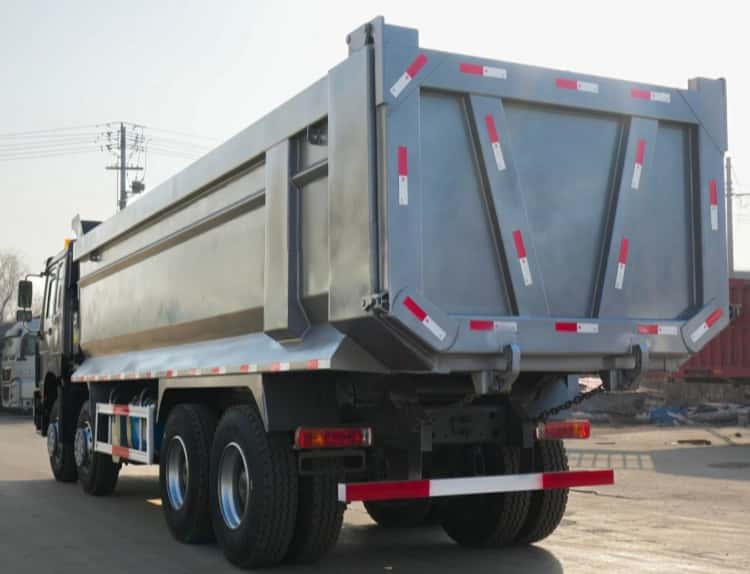
Step 12: Final Visual, Safety & Documentation Audit
Before certification, the quality team carries out a final comprehensive audit. They cross-check all prior test records, NDT reports, parts manifests and calibration logs. Safety systems are double verified. Cosmetic finishing is completed only after all technical quality gates pass.
Step 13: Certification Issuance & Traceability Lock
Once all gates are cleared, REMAN ROAD certification is issued. The full lifecycle record is finalised and locked in the traceability platform. The unique ID now holds the complete heavy trucks remanufacturing workflow history, warranty terms and LCA carbon reduction statement. The certified remanufacturing trucks is ready for delivery to fleet buyers.
Step 14: Handover, Warranty Activation & Post-Delivery Tracking
At handover, the fleet owner receives access to the digital traceability record. The portable warranty is activated. All future service, maintenance and repair events will continue to be logged under the same asset ID throughout its reset service cycle.
Closing
Every stage in this heavy trucks remanufacturing workflow exists for a clear purpose: to reset the heavy truck’s service cycle reliably, safely and verifiably. No shortcuts are allowed. By following this fixed, auditable step-by-step process and recording everything in the traceability system, REMAN ROAD ensures every certified remanufacturing trucks delivers consistent, near-new performance for global fleet operators.