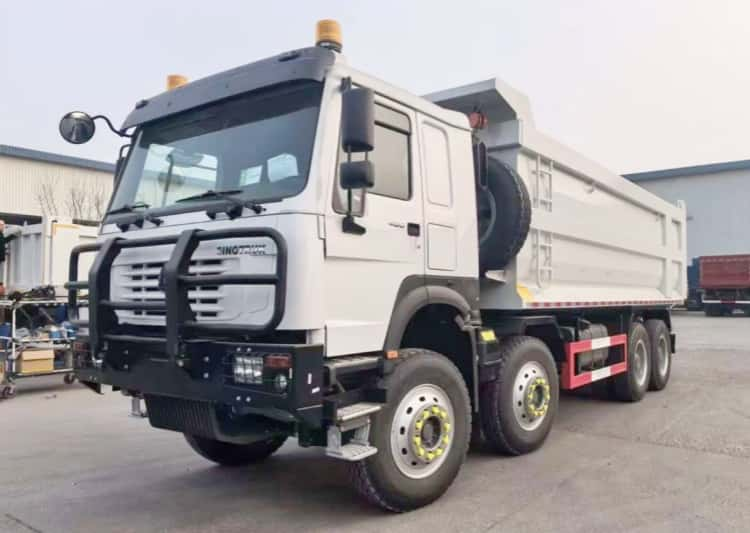
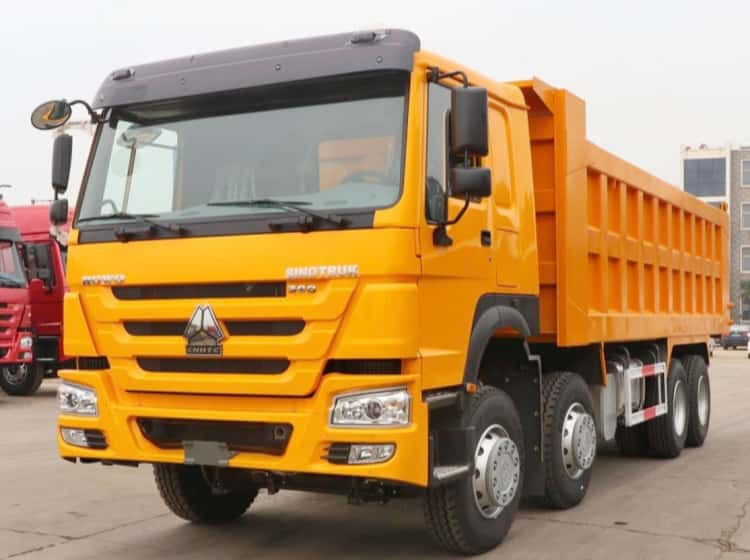
The Validation Gate: Dynamometer and Loaded Road Tests Before Release
Intro
Many rebuild shops finish assembly, clear fault codes and hand over the truck immediately. This skips the critical step of testing under real working load. Individual parts may pass inspection, yet system-level weaknesses only surface under sustained stress. REMAN ROAD treats dynamometer and loaded road testing as a non-negotiable validation gate. It proves the whole vehicle works as a coordinated system, before the truck enters fleet service.
Dynamometer bench test for powertrain baseline
The dynamometer captures steady-state power, torque, fuel delivery and thermal behaviour. It runs the engine and transmission through predefined load cycles in a controlled environment. Technicians check for power drift, abnormal vibration, leaks and error codes. This test confirms powertrain performance matches the calibrated ECU profile. Any deviation triggers troubleshooting before moving to on-road validation.
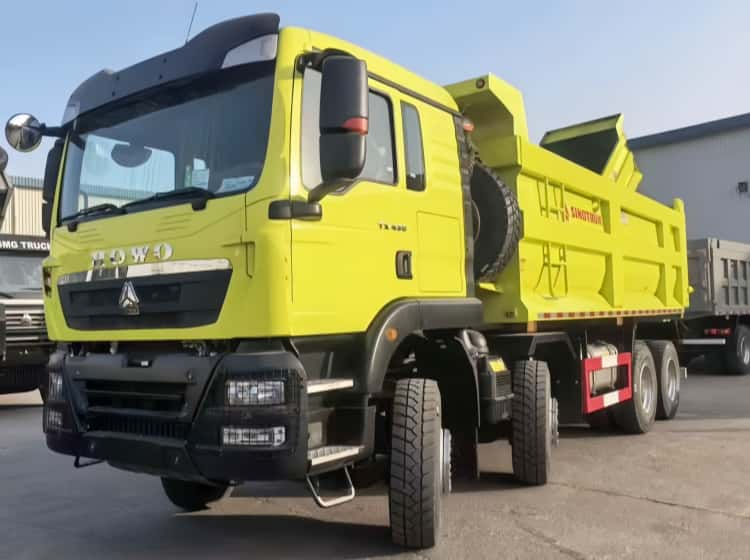
Loaded road test replicates real duty conditions
Bench testing cannot fully simulate road shocks, gradient changes and brake cycling. The loaded road test runs the truck with a representative load matching its grade and duty envelope. Teams monitor braking response, steering stability, shifting smoothness and emission system behaviour. Hidden issues in suspension, axle geometry or sensor alignment often emerge only under loaded operation. Test routes and load weights are standardised for consistent comparison.
Test results tie back to the duty envelope
Testing is not aimed at new-truck maximum performance. The acceptance criteria are based on the asset’s certified grade and operating limits. A lower-grade reman unit is validated against its own restricted workload profile, not the full OEM rating. All recorded data is attached to the VIN traceability log for auditors and fleet operators.
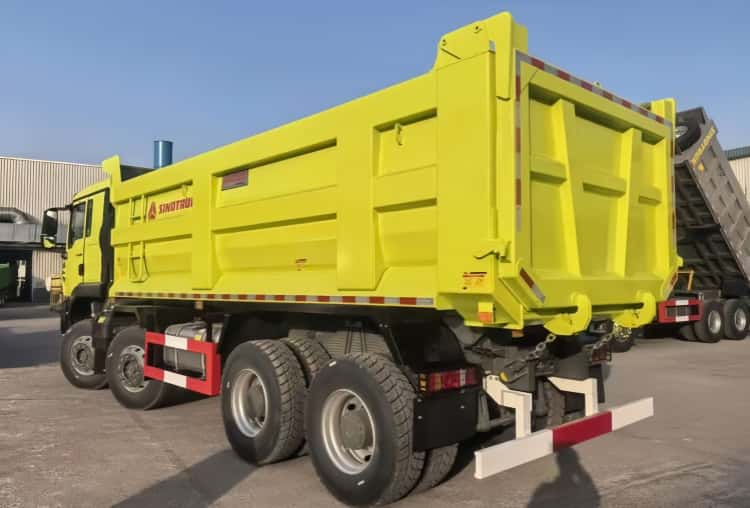
Failures at this gate stop release
If the truck fails either dyno or road testing, it returns to rework. Common issues include calibration drift, loose fasteners, brake imbalance or subtle powertrain misalignment. No unit receives REMAN ROAD certification until it completes both tests with stable, compliant readings. This prevents latent defects from reaching the fleet and causing costly downtime.
It complements, not replaces, NDT inspection
Dynamometer and road tests validate functional performance. They cannot detect subsurface fatigue cracks the way NDT does. The validation gate sits after structural inspection and reassembly. It is the final functional check in a layered safety system, not a substitute for material assessment.
Final Takeaway
Dynamometer and loaded road testing form the final validation gate for certified reman trucks. REMAN ROAD combines controlled bench measurement with real-world loaded runs to verify integrated system performance. For fleet buyers, the key takeaway is simple: individual parts can look good on paper. Only load testing proves the whole vehicle is ready for service.