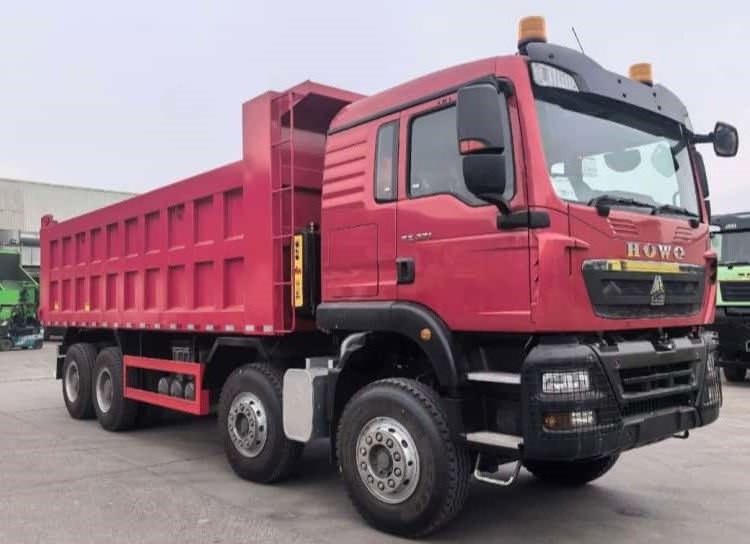
Calibration Lock-In: Restoring ECU, Brake and Emission Parameters
Intro
A common oversight in basic truck rebuilding is ignoring electronic system calibration. Even if every mechanical part fits perfectly, mismatched ECU maps, uncalibrated brake controllers or drifting emission settings lead to unstable performance, fault codes and regulatory non-compliance. For REMAN ROAD verified truck remanufacturing, calibration is a formal reset step. It is not just a quick clear of error codes. Validated parameters are locked to the truck’s grade and assigned duty envelope, so the electronic systems work in harmony with its restored mechanical limits.
ECU calibration matched to the reman asset’s duty envelope
Original factory ECU calibration is built for a new chassis with full fatigue margin. A reman truck has defined operating boundaries. Technicians load and verify the correct calibration profile, aligned with its approved payload and cycle rating. Generic or modified performance maps are prohibited. After validation, the calibration version is recorded in the VIN traceability log to prevent unauthorised tuning later.
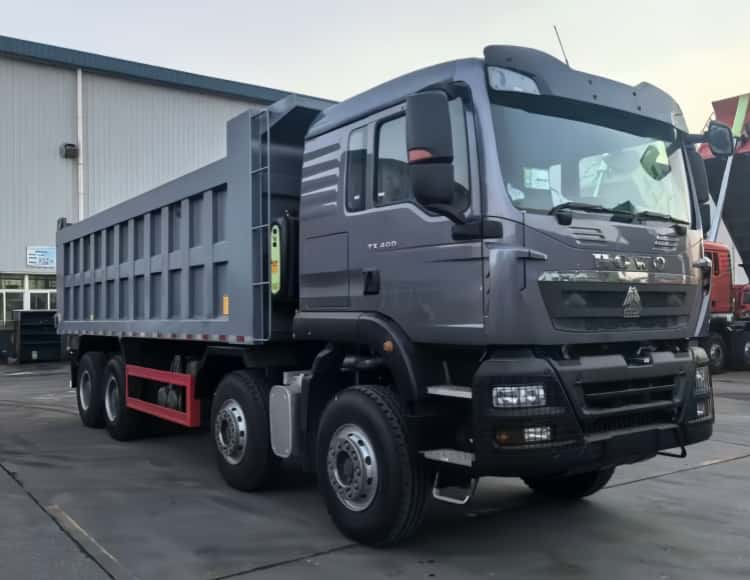
Brake system calibration for balanced stopping performance
Brake control modules, ABS and EBS systems rely on wheel speed sensor offsets, load sensing thresholds and pressure modulation settings. Disassembly, component replacement or axle work can throw these values off. Every verified truck remanufacturing build runs full brake bench and road calibration. The system is tuned to deliver consistent braking force without premature lock-up or delayed response. Calibration results are stored as part of the build audit trail.
Emission parameter reset and compliance validation
Emission control systems including SCR, DPF and NOx sensors require accurate baseline calibration. Clearing fault codes does not restore correct operating logic. REMAN ROAD’s verified truck remanufacturing workflow runs full emission functional tests, verifies sensor offsets and confirms the system stays within regional regulatory limits. No de-rate, defeat device or modified emission tuning is permitted. This keeps the reman truck eligible for registration and cross-border operation.
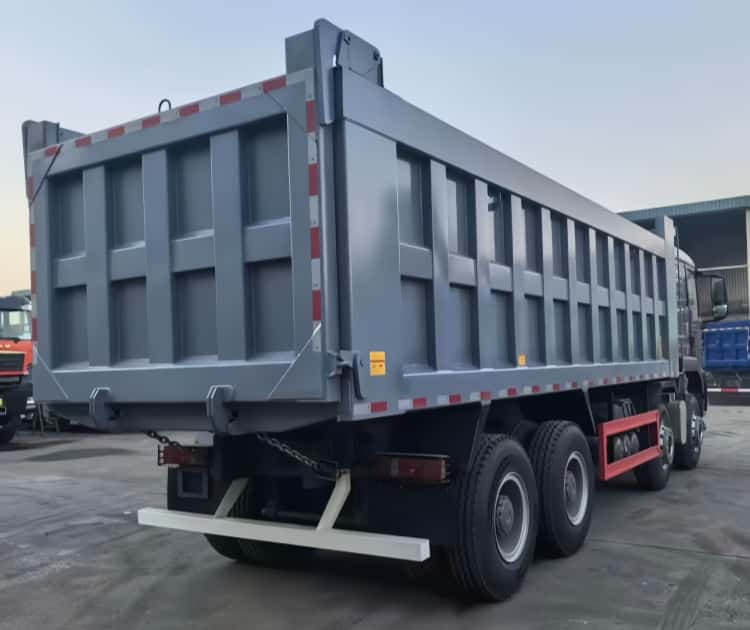
Lock-in means restricted unauthorised tuning
Calibration lock-in is the core safeguard. Once validated, critical parameters are tagged and logged. Subsequent unapproved tuning changes break the certification status. Fleets receive clear guidance that any ECU or brake modification will void the REMAN ROAD certification and its associated warranty. This prevents operators overriding duty envelope limits through software adjustments.
Post-calibration validation before release
Calibration is not finished after uploading files. The vehicle goes through a structured functional test cycle. Technicians monitor live data streams, check for active faults and confirm parameters hold steady under load. If values drift outside the approved band, recalibration is required before the asset is cleared for service.
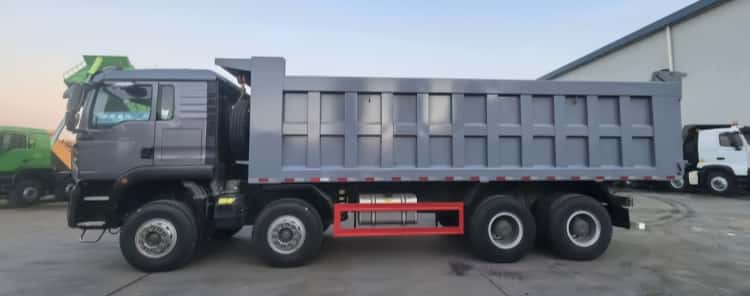
Final Takeaway
Mechanical restoration and electronic calibration must go hand in hand. REMAN ROAD’s calibration lock-in standard aligns ECU, brake and emission parameters with the reman truck’s duty envelope, ensuring compliance and stable system behaviour. For fleet managers, the key takeaway is simple: a rebuilt truck is only fully restored when its software settings are as controlled and traceable as its metal components.