The Formal Anatomy of Heavy Remanufactured Trucks
Intro
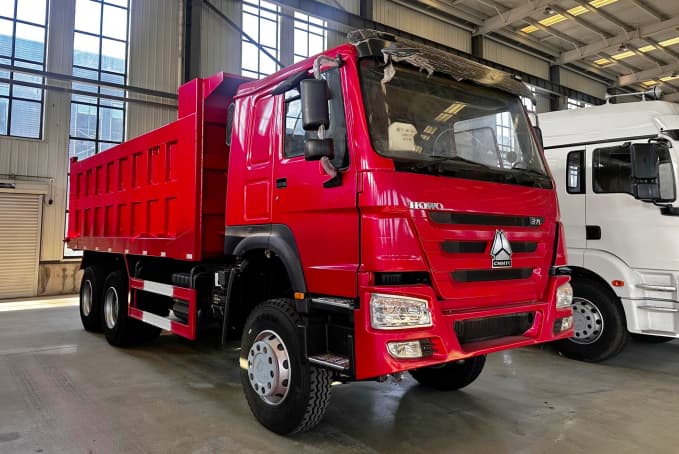
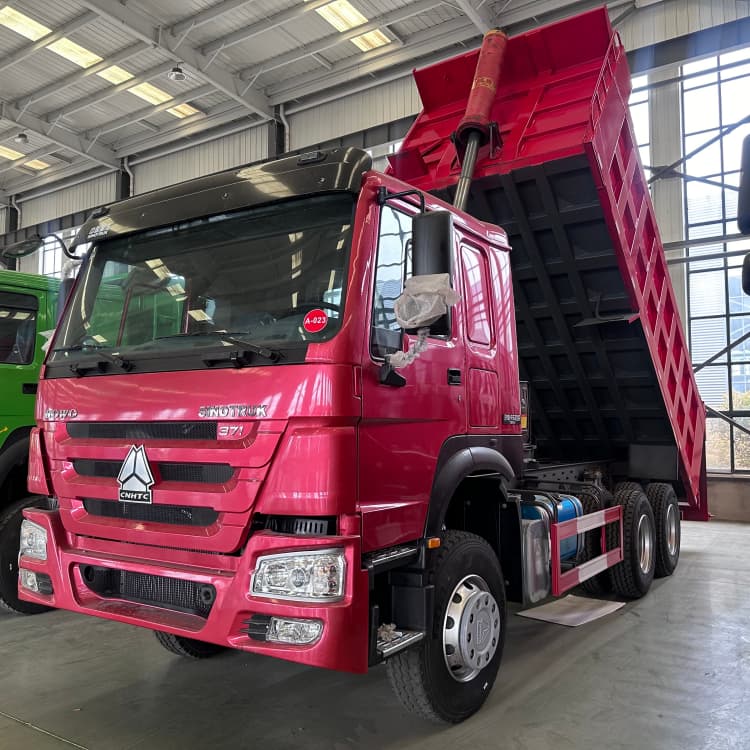
A heavy truck is a complex mechanical system composed of interlocking subsystems. Remanufacturing does not treat the vehicle as a single object to be repainted and restarted. It decomposes the truck into engineering modules, evaluates each against defined tolerances, restores qualified components, and reassembles the system back to factory coordination. Understanding this formal heavy remanufactured trucks anatomy helps fleet buyers see what lies beneath the exterior, and why the same-looking truck can differ dramatically in reliability depending on how each subsystem was handled.
The Structural Backbone: Frame and Chassis
The frame rail is the foundation of the entire truck. Every load, vibration and road shock ultimately transfers through it.
- Under REMAN ROAD remanufacturing, the bare frame is blasted, inspected and measured after all assemblies are removed.
- NDT checks for subsurface cracks in high-stress zones: front and rear suspension brackets, fifth-wheel mounting points, cross-member joints and tow-hook reinforcements.
- Corrosion depth and section loss are measured against OEM minimum thickness. Frames with beyond-limit thinning or permanent deformation are rejected.
- Mounting holes, bushings and interface surfaces are restored to original geometry. Any frame that has been heated, straightened or welded outside OEM procedure cannot enter certified reman.
The structural backbone is the first anatomy layer audited. A compromised frame invalidates every other restoration.
The Powertrain: Engine, Transmission and Driveline
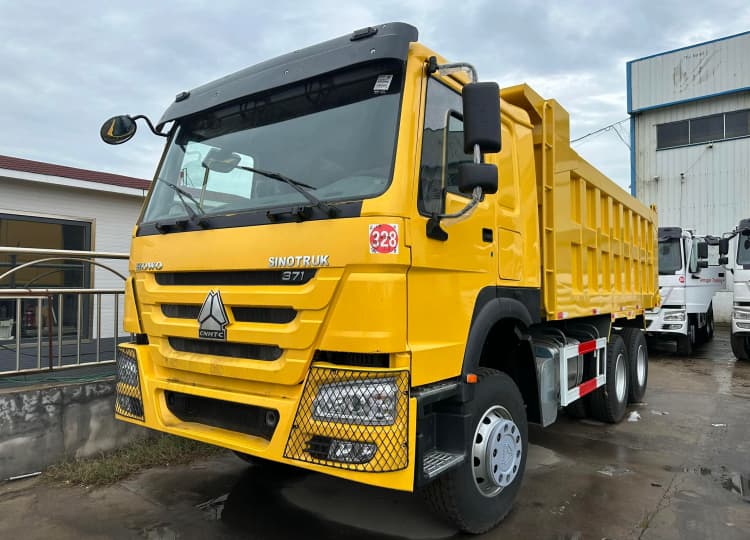
This is the highest-value subsystem and the one most commonly associated with remanufacturing.
- Engine: Fully disassembled, cleaned, inspected. Block liners, crankshaft, camshaft, cylinder head, valves and injectors are measured against tolerance charts. Seals, gaskets, piston rings, bearings and timing components are replaced as mandatory wear items.
- Transmission: Gear trains, synchronisers, clutch components and shift mechanisms are inspected. Worn synchros and seals are replaced. Shift pattern and torque capacity are tested on a bench.
- Driveline: Driveshafts, universal joints, differential housings and axle gears are reconditioned. Bearing preload, backlash and run-out are reset to specification.
Crucially, the powertrain is not remanufactured in isolation. It is re-matched to the rest of the vehicle system, not swapped into an uninspected host chassis.
Running Gear: Suspension, Axles, Steering and Wheels
The running geometry determines handling stability, tyre wear and braking behaviour.
- Leaf or air suspension springs are checked for sag, crack and corrosion. Worn bushings, shackles and mounting pins are replaced.
- Front and rear axles are inspected for bend, bearing play and seal integrity.
- Steering gear, tie rods, drag links and power steering pumps are reconditioned. Free play and centring are calibrated.
- Wheel hubs, brake drums or discs and wheel studs are checked. Tyres are not part of the reman core; they are a consumable fitted on top.
Alignment geometry must be re-established on a rack after reassembly. This is an anatomical check that casual rebuilds frequently skip.
The Braking System: Air Circuits, Valves and Actuators
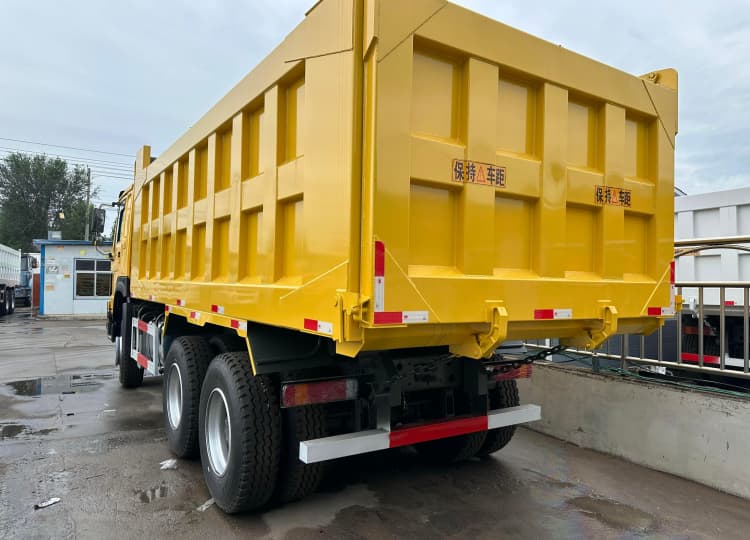
Braking safety is non-negotiable. This subsystem receives the strictest wear-part replacement rules.
- Air compressors, dryers, reservoirs, foot valves, relay valves and ABS modulators are inspected or replaced as needed.
- Brake chambers, slack adjusters, linings and drums are replaced as standard consumables.
- Pneumatic lines are checked for cracking and air leakage. Pressure balance across axles is tested.
- ABS and electronic braking sensors are recalibrated. Brake response balance must match OEM specification.
Under REMAN ROAD, no braking component is reused solely because it “still holds air”. Wear limits are absolute.
The Cab and Operator Environment
The cab is the operator interface and a visible part of the truck. Its remanufacturing treatment differs from mechanical systems.
- Cab structure is checked for corrosion, mount fatigue and door alignment. Floor pans and rear walls are inspected for hidden rust.
- Interior trim, seating, instrument cluster, HVAC and wiper systems are reconditioned or replaced.
- Cab mounting isolators — the rubber or hydraulic bushings that separate cab vibration from frame — are replaced as standard.
- Glass, mirrors and lighting are restored to safe operating condition.
Cosmetic finishing belongs here. Paint and panel work are the final layer, never the foundation.
The Electrical and Electronic Network
Modern heavy trucks depend on an increasingly complex electrical architecture. This subsystem is where informal rebuilds cause the most hidden trouble.
- Wiring harnesses are inspected for insulation cracking, corrosion at connectors and chafing points. Damaged harness sections are replaced rather than taped over.
- ECU, sensors, actuators, gauges and telematics units are tested for communication and signal accuracy.
- Battery boxes, alternators, starters and fuse panels are reconditioned. Grounding points are cleaned and re-torqued.
- Fault memory is cleared, and ECU software is restored to factory calibration for that model.
Certified heavy remanufactured trucks must read and respond on the OEM diagnostic platform. Harness splicing and non-standard wiring create unreliable fault patterns that survive every bench test.
Exhaust After-Treatment and Emission Control
For trucks meeting modern emission standards, the after-treatment system is a precise subsystem, not a simple pipe.
- DPF, SCR, DOC and associated sensors are inspected. Blockage, ash loading and substrate damage are evaluated.
- DEF dosing systems and NOx sensors are tested. Injection quantity and timing are recalibrated.
- The complete emission chain is validated on the dynamometer, not assumed from engine running condition.
An engine that runs clean without verified after-treatment calibration will fail real-world emission compliance and trigger roadside penalties.
Fluids, Fasteners and the Final Assembly Layer
The outermost anatomical layer ties everything together.
- All fluids — engine oil, coolant, gear oil, hydraulic oil, DEF — are drained and replaced with correct specification.
- Fasteners are torqued to OEM sequence. Critical joint fasteners are replaced with new hardware if they are torque-to-yield.
- Label placards, VIN plates and safety decals are restored for legal and inspection compliance.
What Holds the Anatomy Together: Traceability?
The anatomy is not only physical components. It is held together by a documentation structure.
- Each restored subsystem carries its own test record, linked by serial number to the VIN.
- A complete heavy remanufactured trucks file contains structural NDT reports, powertrain bench data, brake test printouts, emission logs and final road test results.
- This file is the certificate that proves the anatomical restoration actually occurred.
Closing
Certified heavy remanufactured trucks have a formal anatomy: a verified structural frame, a re-matched powertrain, restored running gear, a fully renewed braking system, a reconditioned cab, a clean electrical network, a calibrated after-treatment system and a documented traceability file.
When buyers understand this decomposition, they stop evaluating trucks by appearance and start judging each engineering layer. That is the distinction REMAN ROAD is built to enforce — between a truck that has been reset by engineering, and one that has only been made to look reset.