Gearbox Overhaul and Precision Calibration for Reman Heavy Trucks
Introduction
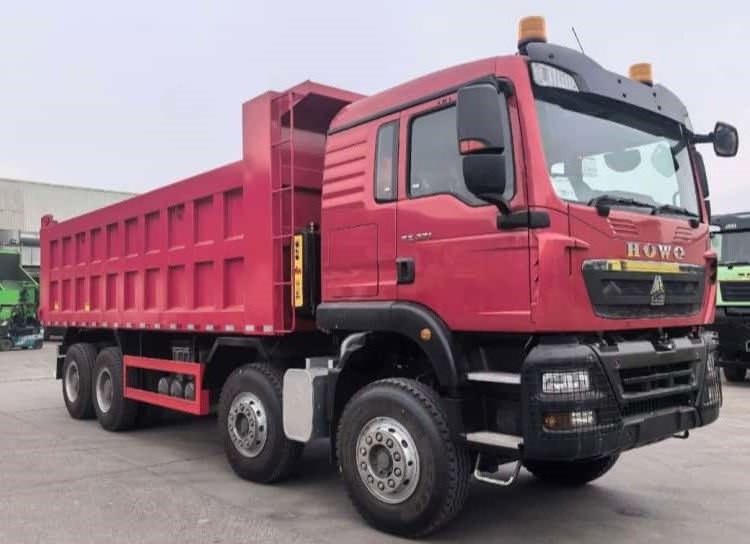
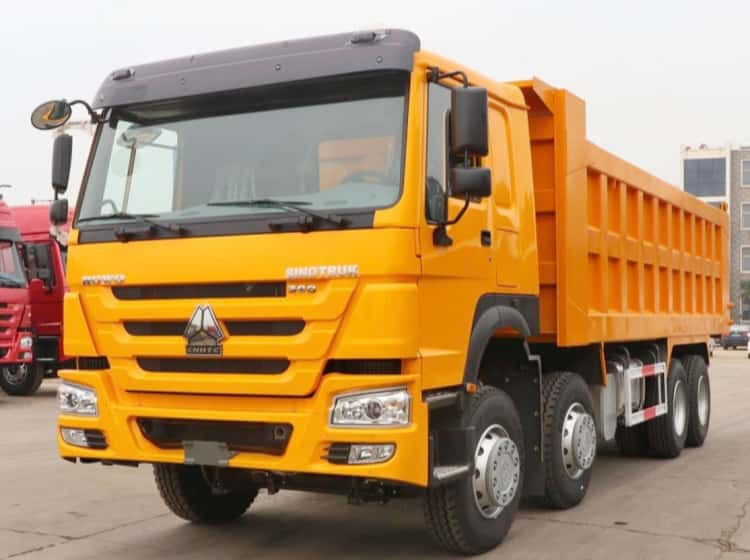
A heavy-duty gearbox handles continuous shock loads, torque spikes and frequent shifting in mining, haulage and cross-border transport. For reman heavy trucks, simply replacing broken gears is not enough. REMAN ROAD’s gearbox overhaul follows a full disassembly, inspection, rework and calibration workflow aligned with OEM specifications. This remanufacturing processes restores shift smoothness, load capacity and service life, so the transmission matches the performance benchmark of a new unit.
Step 1: Pre-Disassembly Functional Bench Check
Before stripping down the gearbox, technicians run a baseline bench test. They record abnormal noise, slipping, hard shifting, oil leakage and pressure fluctuations. This initial data is linked to the asset traceability ID. It helps pinpoint original failure modes and serves as a comparison reference after overhaul. If the housing has severe cracking or permanent deformation from overload impact, the unit is rejected immediately without further disassembly.
Step 2: Full Disassembly and Component Tagging
The gearbox is completely disassembled, not partially opened for spot repairs. Every gear, shaft, synchroniser, bearing, shift fork, hub, seal and snap ring is labelled and matched to the transmission serial number. Parts are sorted and transferred to dedicated cleaning stations to avoid cross-contamination with components from other gearboxes.
Step 3: Deep Cleaning and Visual Screening
All components go through thorough cleaning to remove metal powder, burnt lubricant, sludge and corrosion. After cleaning, technicians carry out visual checks for obvious damage:
- Gear tooth chipping, pitting, spalling and scoring
- Shaft bending, keyway wear and thread damage
- Synchroniser cone burning or excessive abrasion
- Cracked housings, shift forks and retainers
Parts with obvious critical damage are marked for scrapping and will not enter rework.
Step 4: Precision Measurement and NDT for Load-Bearing Parts
Critical transmission components are measured against OEM dimension and tolerance charts. Shaft runout, gear tooth profile, backlash and spline clearance are recorded. High-stress parts including main shafts, counter shafts and heavy-load gear sets receive NDT inspection to detect hidden fatigue cracks. Any component out of tolerance or with confirmed fatigue defects is discarded. No over-worn gear is reused to cut cost.
Step 5: Component Reconditioning or Mandatory Replacement
Qualified reusable parts are refinished within permitted OEM limits. Worn sealing surfaces are resurfaced where allowed. Meanwhile, a fixed list of consumable and fatigue parts is replaced with new OEM-grade components, with no exceptions:
- All bearings, oil seals and O-rings
- Synchroniser rings, friction pads and locking keys
- Thrust washers, gaskets and locking fasteners
- Damaged shift forks and springs
A complete replacement manifest is logged into the traceability platform for audit.
Step 6: Sub-Assembly and Pre-Adjustment
Clean, inspected and qualified components are reassembled step by step following OEM torque sequences. Technicians set preload for tapered roller bearings, adjust gear backlash and synchroniser clearance strictly according to factory data. Improper preload or backlash causes overheating, premature tooth wear and shifting failure, so these settings are double-checked before the gearbox is closed.
Step 7: Bench Testing After Rebuild
The reassembled gearbox is mounted on a dedicated transmission test bench. Test cycles simulate real heavy-duty working conditions: forward and reverse shifts, varying torque loads and sustained high-load operation. The bench monitors:
- Oil pressure and operating temperature
- Shift timing and smooth engagement
- Noise and vibration
- Oil leakage under pressure
- No slip under rated torque
Any anomaly triggers disassembly and rework. The gearbox can only move forward once it passes the full bench cycle. All remanufacturing processes test curves and logs are saved digitally.
Step 8: Precision Calibration for Target Application
Bench validation is followed by application-specific calibration, especially for automated and AMT gearboxes. Calibration covers shift points, clutch engagement speed, torque limit and protection logic. Technicians tune parameters to match the truck’s engine output, local fuel quality and working scenario: highway long-haul, mining low-speed heavy load or mountain route operation.
The core load rating remains unchanged. Calibration only optimises shift strategy to extend service life in its target market.
Step 9: Final Inspection, Sealing and Marking
After calibration, the gearbox receives a final visual leak check. It is marked with a remanufacturing serial tag linked to the vehicle traceability ID. Inspectors cross-verify all measurement, test and calibration records before sign-off.
Step 10: Integration and Post-Mount Validation
Once fitted back onto the reman heavy trucks, the gearbox is rechecked during dyno testing and road test. Technicians confirm coordination between engine output and transmission response under loaded conditions. Shift performance is validated again, to rule out issues introduced during vehicle assembly.
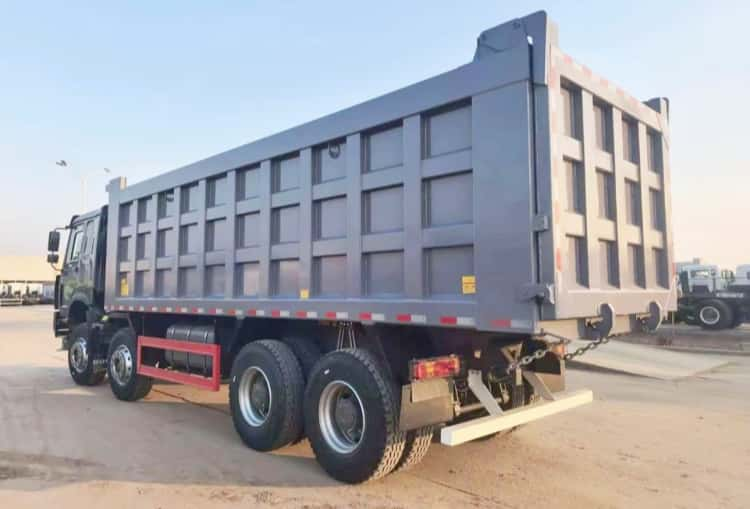
Common Pitfalls That REMAN ROAD Avoids
- ❌ Quick patch repair: Only replacing broken gears without checking the whole component set
- ❌ Skipping backlash and bearing preload adjustment
- ❌ Reusing aged synchronisers and seals to save cost
- ❌ Omitting bench testing and relying only on road trial
- ❌ Generic calibration without matching engine and duty cycle
Closing
Gearbox overhaul for reman heavy trucks is far more than taking apart and replacing broken pieces. It combines precision metrology, fatigue inspection, controlled reconditioning and application calibration.
By standardising bench testing, tolerance rules and digital record-keeping across all hubs, REMAN ROAD ensures reman gearbox deliver stable torque transfer, reliable shifting and full reset service life. This protects fleet uptime and avoids costly breakdowns under heavy-duty operating conditions.