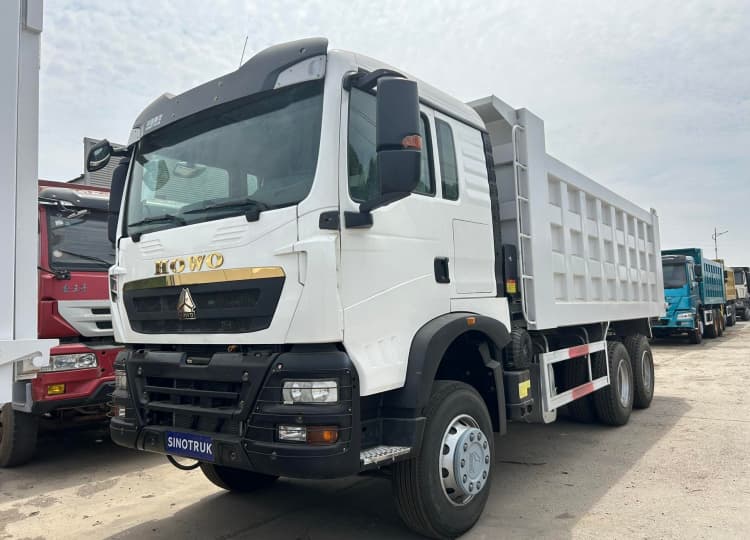
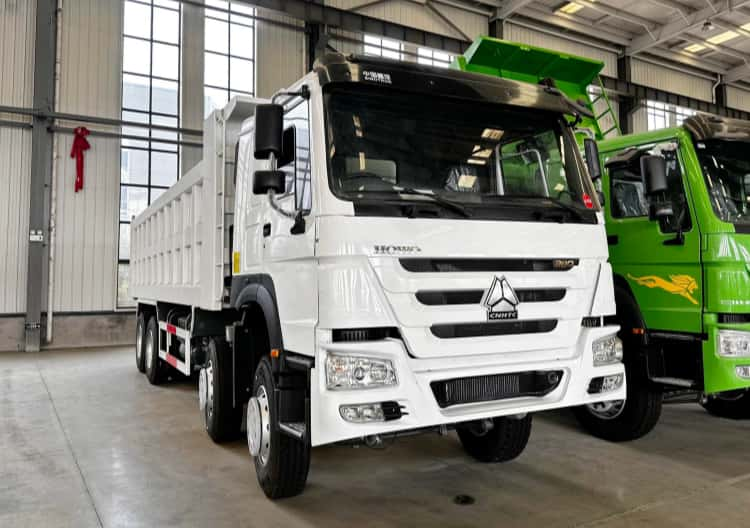
The Remanufacturing Loop: How Used Metal Becomes a Functional Asset Again?
Intro
The remanufacturing loop is a closed circular workflow that transforms qualified used truck cores into certified, performance-reset assets. It is not a one-off repair job; it follows a repeating sequence of intake screening, regeneration, in-service operation and eventual return for re-evaluation. This article walks through each stage of the remanufacturing loop, explains where quality controls apply, and shows how the cycle keeps heavy vehicle asset value circulating rather than ending at scrap.
When most people picture a used heavy truck, they see an asset at the end of its usable life. In the remanufacturing loop, that moment is not an endpoint — it is a transition point. A properly designed reman loop creates a repeatable industrial cycle, governed by fixed standards and traceability rules, rather than random repair work. Every remanufacturing stage has a clear gate, and any unit failing a gate is diverted out of the loop to recycling or component harvesting.
Core Intake & Eligibility Gate: Entering the Loop
The reman loop begins with core intake, the filter that decides whether a used vehicle can join remanufacturing processing.
- The truck’s VIN, service history and damage record are reviewed.
- Dimensional checks and preliminary NDT screen critical load-bearing structures.
- The core is graded according to residual asset value.
Only eligible cores proceed into disassembly. Wrecked, irreversibly corroded or heavily modified units exit the loop immediately for recycling. This remanufacturing stage gate prevents wasted labour on assets that cannot meet final certification requirements.
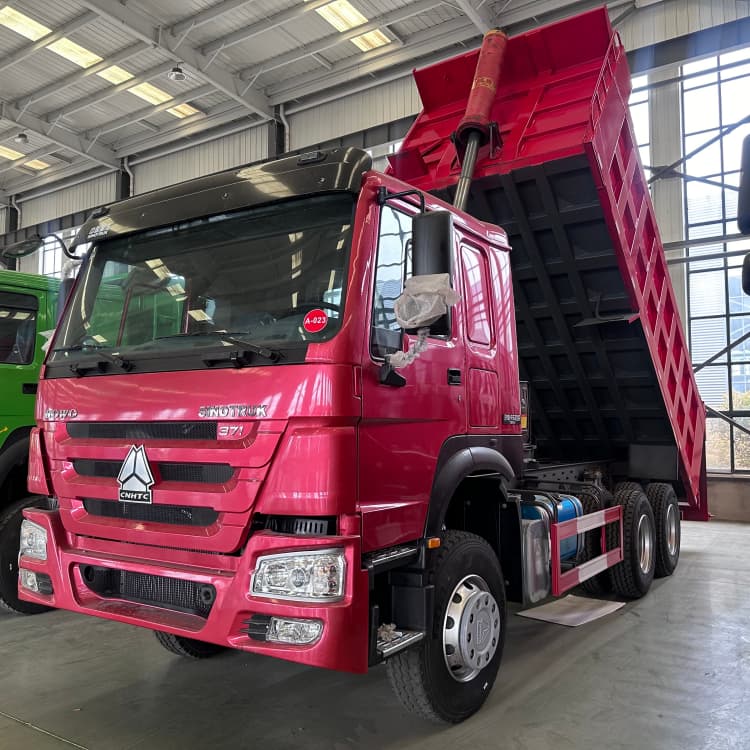
Full Disassembly, Cleaning and Component Sorting
Once accepted, the truck is fully disassembled down to individual components, not just partially stripped.
- All assemblies are separated, labelled and linked to the parent VIN for traceability.
- Parts go through industrial cleaning to remove carbon, grease, scale and surface corrosion.
- Components are sorted into three buckets: reuse after machining, mandatory replacement, or scrap.
This remanufacturing processing sorting step is what separates standard reman from superficial refurbishment. Wear-limited parts are replaced by rule, not only when they show obvious failure.
Precision Restoration, Machining and Calibration
Qualified reusable components are restored back within OEM dimensional tolerances.
- Crankshafts, cylinder bores, axle seats and mating surfaces are machined as permitted.
- Deformed mounting points are corrected only within approved engineering limits.
- New seals, bearings, gaskets and brake consumables are fitted.
- Electronic control units, sensors and hydraulic systems are reset and calibrated.
Restoration is not about “getting it running”. It is about returning each part to its original design specification.
Reassembly, Bench Testing and Final Validation
Restored and new components are reassembled following controlled torque sequences and assembly procedures.
- Powertrain modules run on dynamometers to verify power, torque and emission performance.
- Braking, steering, air systems and electrical circuits are fully tested.
- Load simulation checks confirm structural and suspension behaviour.
A truck passes this remanufacturing stage gate only when all test data is logged and matches the acceptance standard. No visual inspection alone is enough for release.
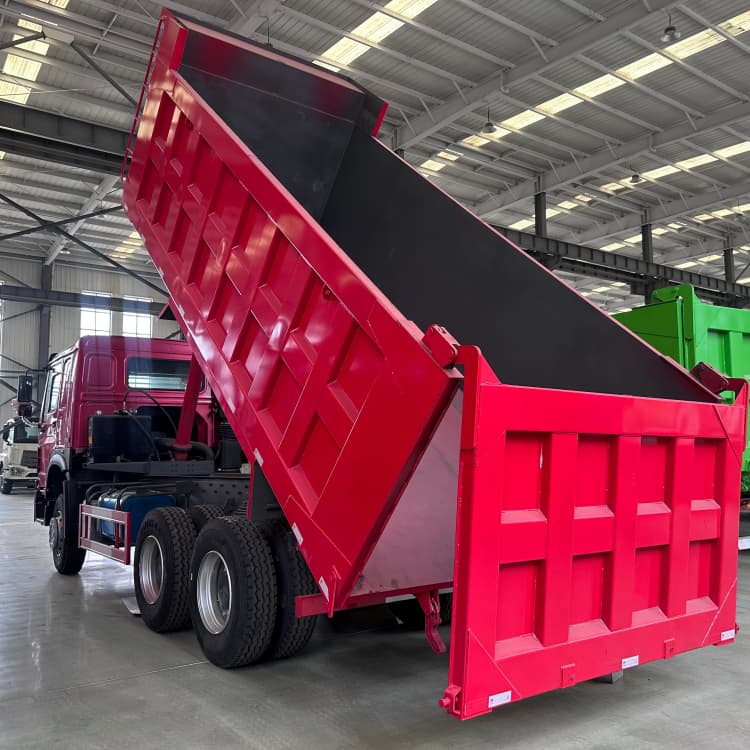
Certification, Handover and Active Fleet Service
Passing units receive reman certification with a full traceability package and defined warranty terms, then enter fleet operation.
- The truck operates under normal working cycles, following recommended service intervals.
- Service records, fault codes and maintenance data can feed back into the supplier’s quality system.
This is the active-use phase of the remanufacturing loop. For the fleet, this is the payback period for the asset investment.
End-of-Service Re-evaluation: The Loop Repeats
When the certified reman truck completes its second life cycle, it reaches another decision point.
- Inspectors assess whether its core structure still retains enough residual asset value.
- If eligible, it re-enters the reman loop for another regeneration cycle.
- If structural degradation has crossed irreversible limits, it exits the loop for recycling.
Not every reman truck can loop infinitely. Material fatigue and corrosion accumulate over time, setting a natural boundary for circular reuse.
What Breaks the Remanufacturing Loop?
Several common practices break the closed-loop logic and create pseudo-reman trucks:
- Skipping full disassembly and only repairing obvious faults
- Using unmeasured cosmetic touch-ups instead of NDT and tolerance checks
- Missing traceability records that link test data to the VIN
- Mixing unqualified scrap cores into production
- Selling rebuilt trucks without defined performance acceptance criteria
Once standards are skipped, the cycle becomes unpredictable. The asset cannot reliably re-enter future reman cycles, and ESG claims lose audit validity.
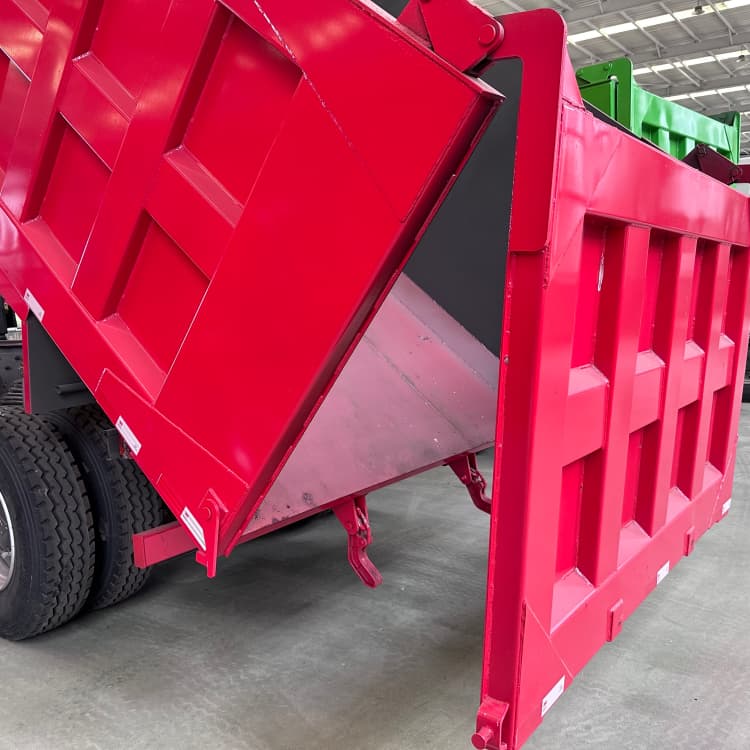
REMAN ROAD’s Framework for a Stable Reman Loop
REMEN ROAD builds guardrails so the loop stays consistent across suppliers and regions:
- Standardised core acceptance rules at the entry gate
- Mandatory test logging for every regeneration stage
- Clear diversion paths for non-qualified components
- Tiered traceability that follows the asset across cycles
- Transparent documentation for fleet buyers and auditors
This framework turns a loose concept of “reuse” into a controllable, repeatable industrial cycle.
Closing
The remanufacturing loop is a structured circular cycle: eligible used cores enter, undergo disassembly and engineering restoration, pass validation, return to fleet duty, and eventually face re-evaluation for another cycle or recycling. It is this repeating, standardised sequence that turns an old used truck into a predictable, functional asset. Understanding the loop helps buyers recognise genuine reman truck, distinguish it from one-off patch repairs, and build fleet strategies that maximise long-term asset value.