Industrial Reman Residual Value: What Makes Older Trucks Worth Regenerating?
Intro
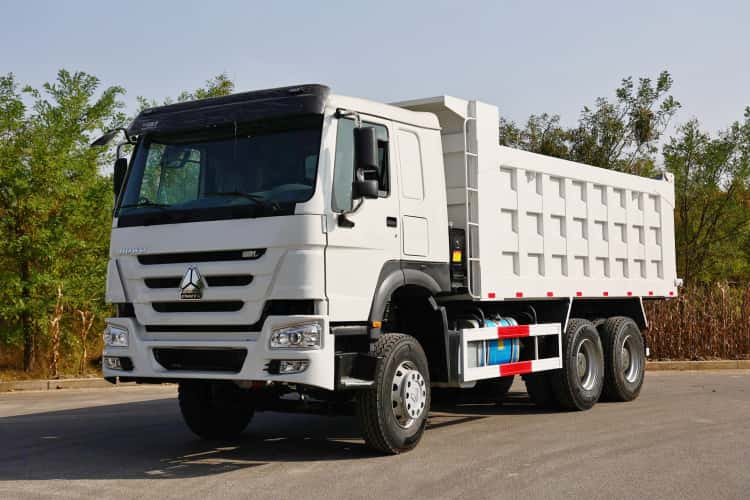
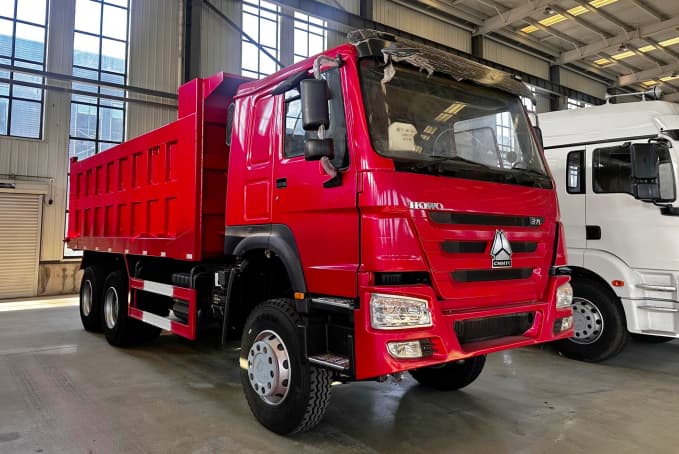
Ageing heavy trucks are usually valued only by their current running condition and second-hand resale price. This ignores residual asset value — the embedded structural, material and engineering value locked inside a qualified reman core. This value only exists when the core’s load-bearing structure and original geometry can be restored to OEM-equivalent performance. This article explains how reman residual value is evaluated, how it differs from traditional used-truck valuation, and why industrial remanufacturing unlocks this latent value instead of letting the asset go to scrap or casual rebuilding.
When fleet managers calculate asset depreciation, standard accounting rules usually write down a heavy truck’s value year by year. Once it reaches the end of its first service life, many stakeholders see it as little more than a cheap used vehicle or scrap steel. This conventional valuation ignores residual asset value specific to industrial remanufacturing: the remaining usable engineering value preserved within a qualified core. This value is the core reason industrial remanufacturing exists as an industrial model, separating regenerable heavy trucks from assets fit only for recycling.
The Difference Between Market Residual Value and Reman Residual Asset Value
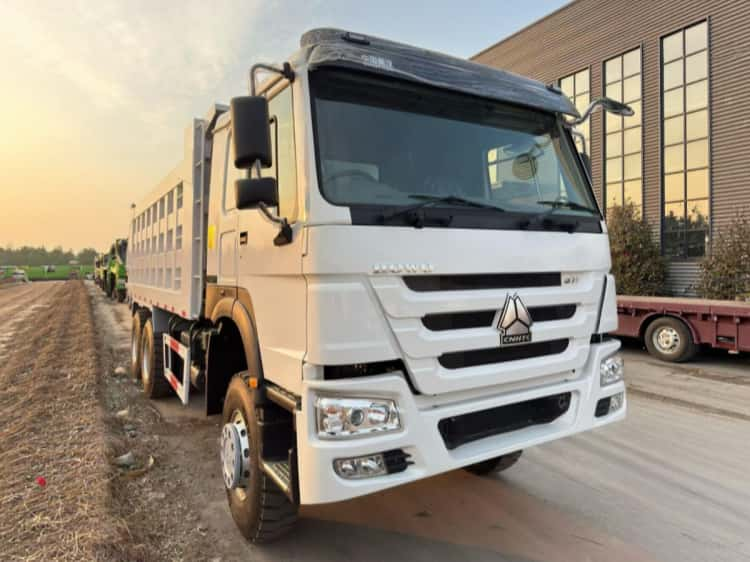
Traditional residual value refers to the price you can sell a used truck for in its current working state. It is driven by mileage, cosmetic appearance, local market demand and whether it can drive away on the day of sale.
Reman residual value follows a different set of rules. It measures how much original design value can be recovered after full disassembly, inspection and controlled regeneration. Key evaluation targets include:
- Structural integrity of frame rails and major load-bearing castings
- Reclaimable dimensional accuracy of crankshafts, cylinder blocks and axle housings
- Compatibility with existing OEM specifications and service parts networks
- Embodied carbon invested during original mining, forging, casting and assembly
A truck may have a low second-hand selling price yet carry high reman residual value. Conversely, a truck that still runs smoothly can have near-zero reman residual value if its frame has hidden fatigue, overloading damage or irreversible corrosion.
Where Residual Asset Value Is Stored Inside a Heavy Truck?
Residual value does not spread evenly across every component of the vehicle. It concentrates in high-investment, high-strength base structures:
Chassis and frame assembly
The frame rail represents the largest share of residual asset value. Producing a heavy-duty frame requires thick high-strength steel, precision stamping, drilling and heat treatment. If it passes NDT and dimensional checks, the frame retains most of its original engineering value, even after years of operation. This single component is often the deciding factor whether a truck qualifies as a qualified reman core.
Major cast and forged powertrain housings
Engine blocks, cylinder heads, transmission cases and axle housings are capital-intensive to manufacture. Unlike disposable wear parts, these rigid base castings can be cleaned, machined and reconditioned within tolerance limits. Their high embodied cost means they carry substantial residual value, provided there is no cracking, permanent deformation or material degradation.
Steering and suspension load-bearing forgings
Knuckles, spring hangers and axle spindles are forged for extreme fatigue resistance. These components are expensive to produce from raw material. When they clear inspection thresholds, they become critical value carriers in the reman workflow.
Wear items such as seals, brake linings, bearings and hoses hold almost no reman residual value. They are scheduled for mandatory replacement regardless of visual condition. This separation between high-value permanent structures and consumable parts is central to residual asset valuation.
What Destroys Residual Asset Value Permanently?
Residual asset value is not static. Certain types of damage erase this latent value completely, and no reman process can recover it:
- Severe frame cracking or permanent deformation from overload and collision
- Deep intergranular corrosion that weakens base metal
- Improper hot straightening or unapproved structural welding altering material properties
- Catastrophic seizure that creates thermal damage deep into cast housings
- Unreversible modification that breaks alignment with original OEM design specifications
Once residual asset value is destroyed, the asset moves from qualified reman core to scrap feedstock. It can only deliver value through material recycling, not through regeneration.
Economic Logic: Why Reman Captures This Hidden Value
Manufacturing a brand-new heavy truck chassis and powertrain consumes massive energy and raw material. Industrial remanufacturing avoids repeating that foundational production work, only replacing wear components and restoring qualified base structures.
For fleet buyers, this translates into two clear economic benefits:
- Lower capital expenditure compared to purchasing a brand-new equivalent vehicle
- Reliable performance benchmarked against OEM standards, unlike informal rebuilds that cherry-pick repairs
For reman operators, residual asset value sets the upper limit of acceptable production cost. If inspection, machining and replacement costs exceed the recoverable residual value of the core, the project becomes financially unviable. This built-in economic filter prevents wasteful reman attempts on poor-quality cores.
Environmental Value Locked Inside Residual Core Value
Beyond finance, residual asset value carries carbon significance. The carbon emitted during the production of frame rails, engine blocks and axle castings is known as embodied carbon. When these components are reused in remanufacturing, all that prior carbon expenditure is preserved.
Recycling melts the steel down, which requires re-forging and re-casting, reintroducing large carbon emissions. Industrial remanufacturing protects the already-invested embodied carbon, which is why only qualified reman core can support auditable ESG and carbon accounting. Trucks with lost residual asset value cannot deliver this circular environmental benefit.
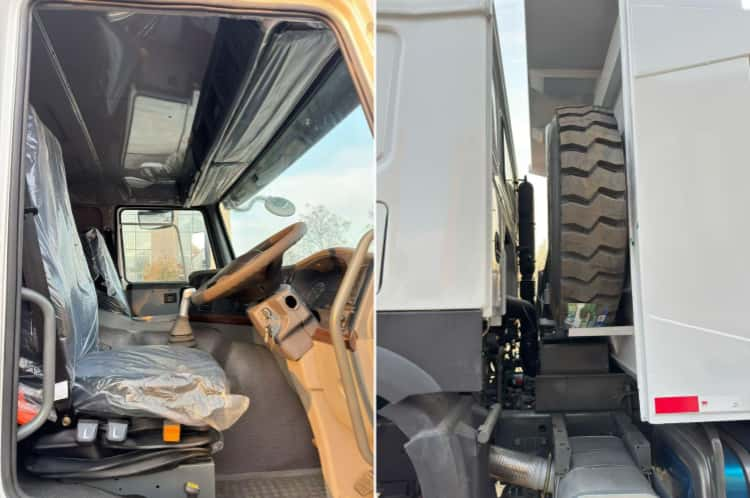
How REMAN ROAD Standardises Residual Value Judgement?
Subjective valuation of cores creates inconsistent quality across suppliers. REMAN ROAD establishes measurable rules to assess residual asset value before a core enters production:
- Mandatory NDT and dimensional checks for all primary load-bearing structures
- Clear rejection criteria for irreversible structural damage
- Tiered core grading based on remaining recoverable value
- Full traceability linking core condition reports to final reman truck records
This standardisation turns residual asset value from a vague concept into a practical screening metric for suppliers, auditors and fleet procurement teams.
Closing
Older heavy trucks are worth regenerating not because they look acceptable or can still drive, but because qualified reman core retain substantial residual asset value within their high-investment structural and cast components. This latent engineering value is the fundamental foundation of the industrial remanufacturing business model, balancing economic returns and circular carbon benefits.
Understanding this theory helps fleet stakeholders distinguish between a valuable qualified reman core and an asset that belongs in the scrap stream, avoiding misleading pricing logic from the conventional second-hand truck market.