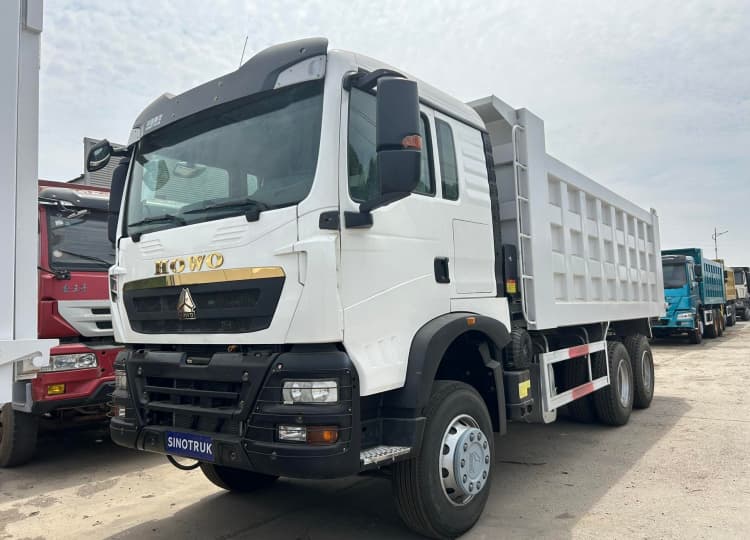
Component Reman vs Whole Vehicle Reman: Two Definitions, One Standard
Introduce
The market often mixes up component reman and whole vehicle reman. Buyers may assume a rebuilt engine means a fully remanufactured truck, while suppliers may advertise component reman packages as full lifecycle resets. This confusion creates mismatched expectations and financial risk.
It is critical to separate the two definitions clearly. They deliver different outcomes, serve different commercial purposes and carry different liability boundaries. Yet under the shared ecosystem framework, they are built on the same core engineering standard. The same rules for fatigue assessment, component grading, machining limits, traceability and validation apply to both.
Component reman: subsystem-level lifecycle reset
Component reman focuses on a single, separable assembly. It can be an engine, transmission, axle, hydraulic pump, turbocharger or brake valve group.
The workflow for a reman component follows gated inspection rules specific to that part. The core casting or housing is screened for fatigue and dimensional drift. Worn internal parts are graded, regenerated or replaced according to fixed rules. It is calibrated and bench-tested under controlled conditions to meet its original design specification.
The end product is a standalone, functional assembly that can be stocked as a spare part or swapped into an existing vehicle. Its reset is limited to itself. It does not evaluate the condition of the host truck’s frame, other subsystems, structural margin or cross-system balance.
Component reman is a targeted intervention. It solves subsystem failure and restores that unit’s usable life. It does not reset the lifecycle of the entire vehicle.
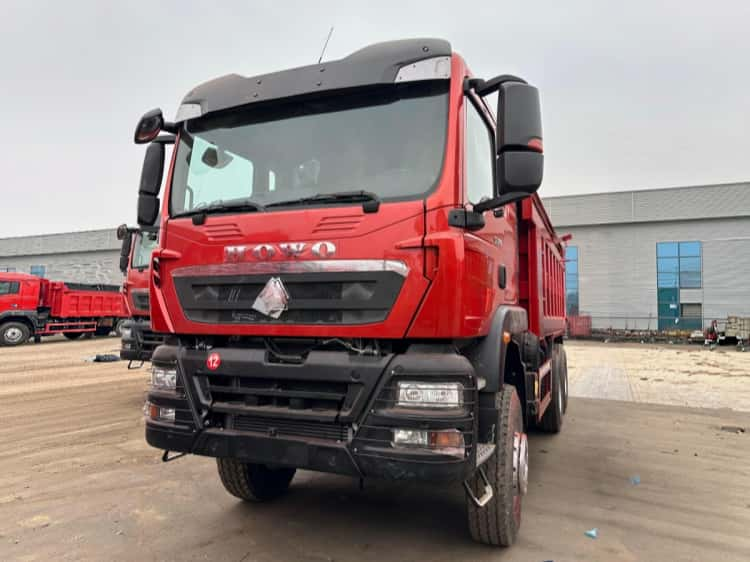
Whole vehicle reman: system-level lifecycle reset
Whole vehicle reman process treats the truck as an interconnected dynamic system. It starts with the complete vehicle core, not a loose assembly.
The vehicle reman process begins with full core qualification: service history review, NDT fatigue scanning of load-bearing structures, and dimensional checks on frame and axle geometry. The entire truck is fully disassembled. Every component is graded. Some are regenerated, some are mandatory replacements, and unrepairable parts are scrapped. After reassembly, all subsystems are calibrated to work in harmony. Final validation is carried out through loaded full-vehicle testing, not just bench tests of individual parts.
The output is a truck with a verified, bounded second-life baseline. Its residual structural margin is measured, and a formal duty classification is defined. This is the only form of reman that qualifies for a full vehicle lifecycle reset.
Even if every single component fitted to the truck is a high-quality remanufactured truck, simply assembling reman components together does not automatically equal whole vehicle reman. The integration, calibration and system validation steps are what make the difference.
Where the two diverge: scope, risk and value claim
Scope is the most obvious dividing line. Component reman’s scope stops at the boundary of the assembly. It guarantees the component will perform to its specification, but it makes no claim about the health of the host vehicle. Whole vehicle reman process’s scope covers structural integrity and subsystem interaction across the entire asset. Its guarantee applies to the complete system and its defined operating envelope.
Risk allocation also differs. When a fleet buys a reman engine, the risk of frame fatigue, brake imbalance or driveline resonance remains with the fleet or the original vehicle owner. When a fleet buys a whole-vehicle reman unit, the reman practitioner and verification body have already assessed and bounded those systemic risks.
Their economic value also differs. Component reman is a maintenance solution. It minimises downtime by replacing a failed subsystem. Whole vehicle reman is an asset strategy. It redefines the truck’s depreciation curve, TCO profile and residual value for its next service cycle.
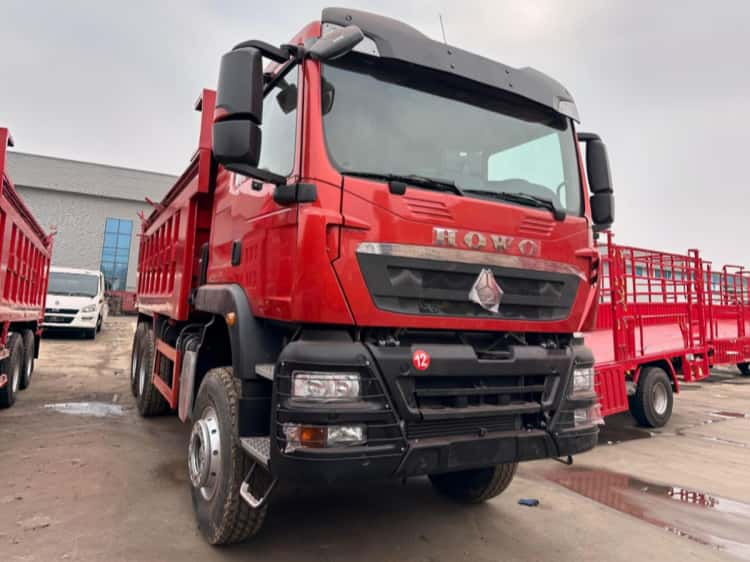
The shared standard: the same foundational logic applies to both
Although their scope is different, they do not get two separate rulebooks. This is the key point of the framework.
The same non-negotiable principles govern both categories.
- Structural integrity screening: For a component reman, the housing or load-bearing core of that assembly must pass fatigue checks. For whole-vehicle reman, the truck’s primary structure plus all critical subassemblies are screened.
- Component grading rules: Mandatory replacement lists, allowable machining removal limits and material specification rules are consistent.
- Traceability: Each component or each vehicle carries its own audit trail, linked to its unique identifier, available for neutral verification.
- Validation requirement: Component reman uses bench validation matched to its operating conditions; whole vehicle reman adds integrated loaded system validation.
- Clear duty limits: A reman component has its own rated operating window; a remanufactured truck has its full duty envelope.
The standard does not change. The validation environment and the boundary of what is being assessed change.
This is why the ecosystem can trust both categories. A certified reman axle is not “lower standard” than a remanufactured truck. It is just a smaller, bounded scope of work, held to the same engineering discipline.
Common market confusion to avoid
The most frequent misrepresentation happens when these two categories are blurred. A workshop may replace an old engine with a reman engine and advertise the truck as remanufactured truck. That is component reman installed into an unassessed host vehicle. It is not whole vehicle reman.
Buyers also make the reverse mistake: dismissing reliable component reman because it is not a full vehicle reset. Component reman is an important, legitimate circular pathway. It is ideal for planned maintenance, spare-part inventory and targeted subsystem repair. It just should not be mislabelled as a full vehicle reset.
A clear communication rule applies: state the scope explicitly. Call a reman engine a reman component. Call a fully gated, system-reset truck a whole vehicle reman.
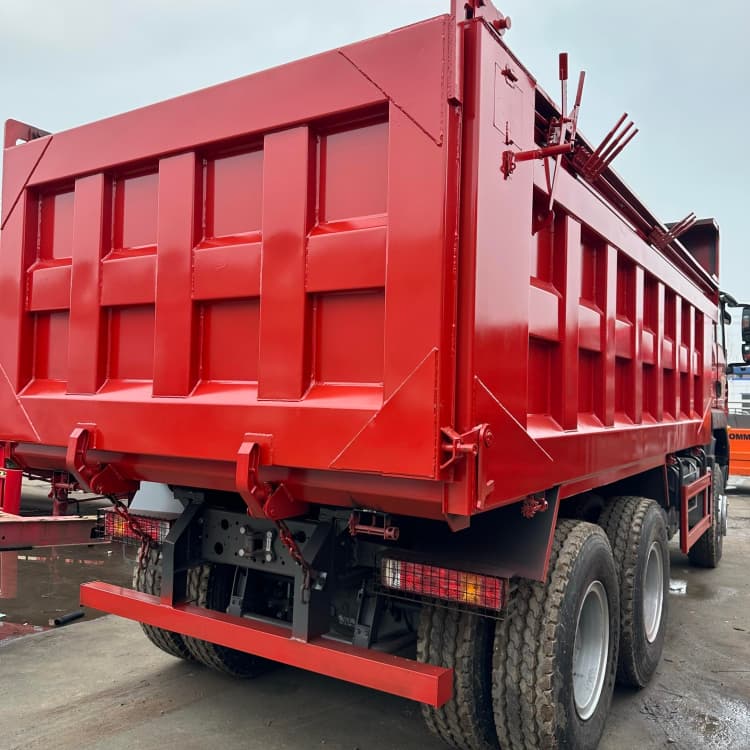
How they fit into the circular ecosystem together?
Component reman and whole vehicle reman are complementary pathways, not competitors.
When a fleet’s truck suffers a transmission failure, component reman of the transmission is often the fastest, most economical response. When a truck reaches the end of its first life and its frame passes fatigue screening, whole vehicle reman process becomes the higher-value pathway. When a core is unsuitable for full vehicle reman, its intact engines, axles and pumps can be harvested and fed into component reman workflows.
The ecosystem sorting model uses both pathways to capture value. Component reman unlocks value at the subsystem level; whole vehicle reman process unlocks value at the complete asset level. Both sit above simple material recycling in the circular value hierarchy.
Closing thought
Component reman and whole vehicle reman are two distinct definitions with different scopes, risk profiles and commercial purposes. One resets a subsystem; the other resets the entire vehicle’s lifecycle.
Yet they are built upon one unified standard. The same requirements for fatigue screening, controlled regeneration, traceability and validation apply. Recognising this distinction protects buyers from misleading marketing, while also respecting the legitimate, valuable role of component reman within the circular ecosystem.