Why the Word “Remanufacturing Truck” Should Never Be a Synonym for “Used Truck”?
Introduce
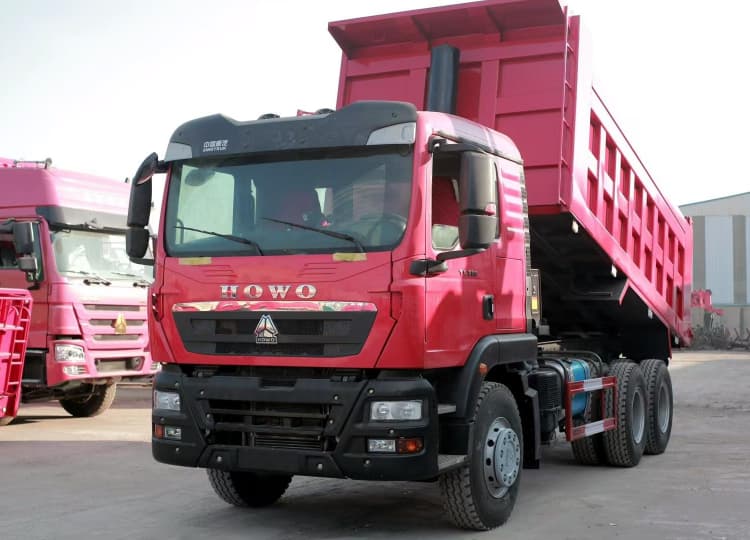
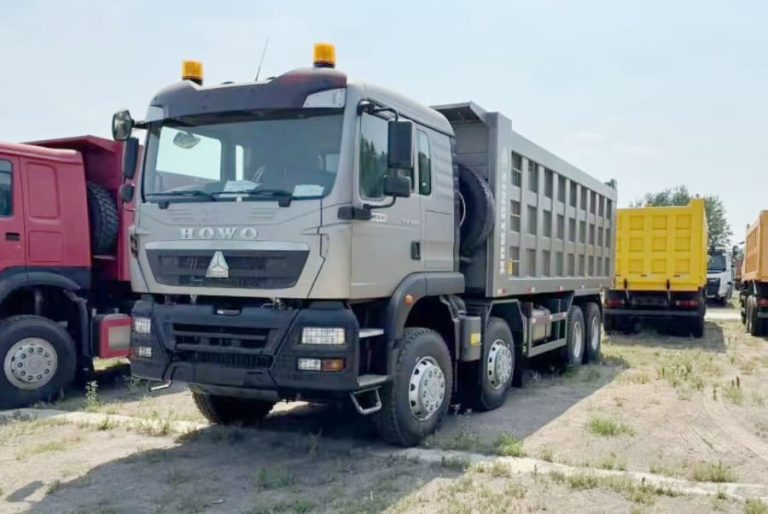
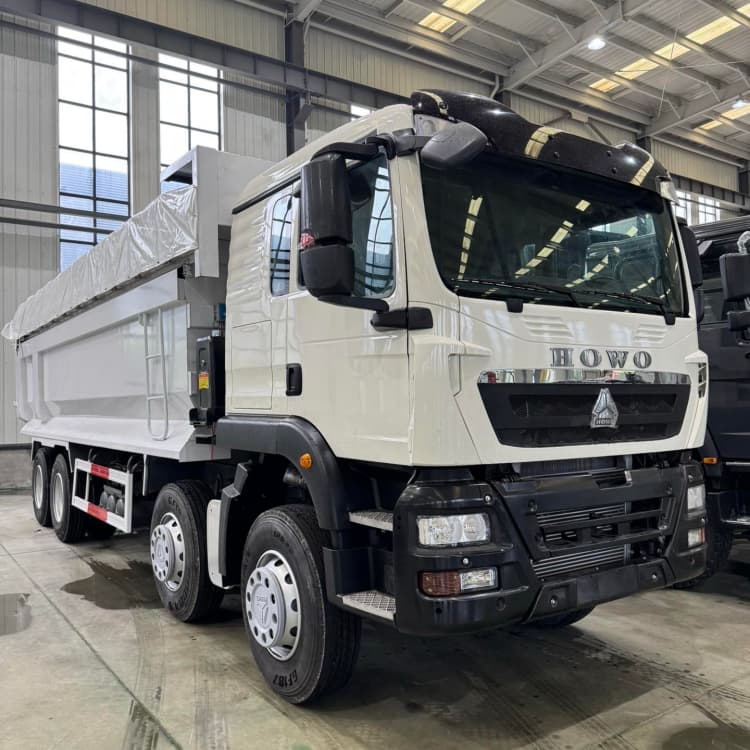
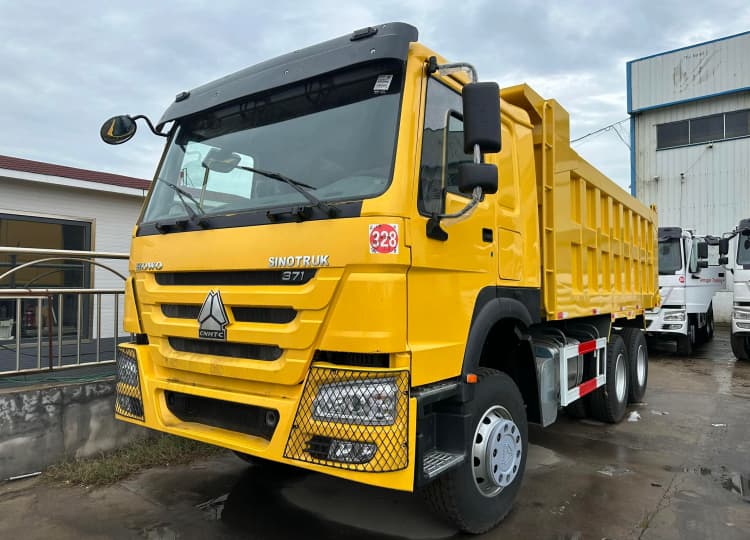
It is common to see market listings lump remanufacturing trucks together with ordinary used trucks. Some sellers price them side by side, group them in the same product category, or casually use the two labels interchangeably. This habit is more than just loose wording. It erases critical engineering, risk and value boundaries that separate the two asset types.
A used truck is defined by its past: it has already completed a period of service and changed ownership. A genuine remanufacturing truck for sale is defined by deliberate, disciplined intervention that redefines its usable future. Even if both units started as first-life heavy vehicles, their classification, baseline of proof and risk profile are not the same.
A used truck’s core condition is largely uncharacterised
The default state of a used truck is uncertainty.
It carries a history of accumulated stress, overload events, thermal cycling, vibration and previous repairs. Without targeted inspection, buyers cannot know whether hidden fatigue, microcracks or permanent frame deformation exist. Service records may be incomplete, modified or missing. Past maintenance could be inconsistent, and prior accidents may go undisclosed.
Inspection for a used truck is usually limited to surface checks, road tests and visible component assessments. It rarely includes mandatory NDT fatigue scanning, full disassembly or systematic component grading. Its remaining structural margin is a guess, not a quantified value.
This uncertainty is baked into the identity of a used truck. Its usable life, failure timeline and safe operating limits are not formally established before sale.
A genuine remanufacturing truck goes through a purpose-built lifecycle reset
A genuine remanufacturing truck is not simply a used truck that someone decided to sell again. It is a used core that has passed a strict sorting gate and then entered a full system-level reset workflow.
That truck remanufacturing workflows starts with service history audit, dimensional verification and NDT structural screening. If the core fails these safety checks, it is rejected from reman and routed to harvesting or recycling. Qualified cores are fully disassembled. Every component is inspected, graded, renewed or regenerated under fixed rules. Subsystems are recalibrated for balanced interaction, and the finished vehicle runs loaded full-system validation.
At the end of the truck remanufacturing workflows, the asset receives a formal duty classification. Its residual margin is measured, and its approved operating envelope is documented. This is not a routine maintenance upgrade. It is a deliberate redefinition of the asset’s second-life baseline.
Their evidence standards are entirely different
Trust for a used truck mostly relies on seller disclosure, visual condition and limited test drive feedback. There is no mandatory, standardised audit trail tied to its unique identifier. If the seller chooses to skip inspection or hide defects, the buyer has few reliable ways to verify hidden risks.
A genuine remanufacturing truck is built around transferable, auditable proof. Every fatigue scan, component grading decision, machining limit, calibration parameter and loaded test result is recorded and linked to the VIN. Independent verification can review these records to confirm the work meets the shared foundational standard.
This evidence package is a core part of the remanufacturing truck. A used truck, by default, has no such standardised evidence requirement. The gap between self-reported condition and independently validated baseline is enormous.
Risk allocation and liability expectations differ
When a fleet buys a used truck, the buyer inherits the full burden of unknown structural risk. The seller typically disclaims long-term guarantees on hidden fatigue and latent defects. Unexpected downtime or structural failure lands on the operator.
When a fleet buys a genuine remanufacturing truck for sale, the risk is bounded. The truck remanufacturing workflows has eliminated the highest structural hazards, subsystem imbalance is calibrated, and operating limits are clearly communicated. The practitioner and verification body take responsibility for completing the standardised gates. This does not eliminate all risk, but it makes risk measurable and documented.
Treating genuine remanufacturing truck as equal to used erases this important distinction. It pushes buyers into the wrong risk model, expecting the same level of uncertainty that applies to unprocessed second-hand assets.
Their economic and TCO profiles are not comparable
Used trucks usually carry lower upfront purchase prices, but their long-term costs are volatile. Unpredictable breakdowns create unplanned downtime, emergency component replacement and budget shocks. Their residual value at resale is hard to forecast, and many financiers and insurers apply conservative, unfavourable terms because of the unknown risk.
Genuine remanufacturing truck have a stabilised TCO profile. Standardised screening and validation reduce the frequency of catastrophic hidden failures. Duty classification supports accurate budgeting, and traceable records make the asset easier to finance and insure. Its depreciation curve and residual value can be modelled more reliably.
If buyers treat genuine remanufacturing truck as just used trucks, they will evaluate them only against the lowest benchmark of used pricing. This devalues the engineering investment put into fatigue testing, system calibration and traceability. It also penalises operators who choose reman for predictable asset performance.
They occupy different positions in the circular value chain
A used truck is an asset still carrying its original first-life service state. It may continue in service, or later be retired for repair, reman, harvesting or scrap. It is pre-sorting.
A genuine remanufacturing truck is an asset that has already passed sorting. It has been judged worthy of a full lifecycle reset, and its pathway has been actively decided. It is a post-sorting, value-upgraded asset.
Confusing the two collapses the ecosystem’s sorting logic. It blurs the tiered flow: qualified reman, component harvesting, spare parts reuse and material recycling. If genuine remanufacturing truck is just another used truck, the whole hierarchy of circular value is lost.
The danger of casual synonym use
When buyers, brokers and even workshops treat these words as interchangeable, several market harms follow.
- Sellers market low-inspection, high-risk used trucks under the reman label, committing misrepresentation.
- Buyers apply used-truck risk assumptions to certified reman assets and miss the value of standardised validation.
- Financiers and insurers lump reman into generic used-asset risk buckets, refusing fair financing terms.
- The credibility of genuine remanufacturing is diluted, as the category becomes associated with the unpredictability of ordinary used stock.
This is not a semantic detail. It distorts pricing, risk assessment and procurement strategy across the whole fleet sector.
Closing thought
A used truck is an uncharacterised asset with an unknown remaining service window. A genuine remanufacturing truck is a qualified core that has completed a system-level, auditable lifecycle reset with measured residual margin and defined operating boundaries.
They both start from retired heavy-duty hardware, but they are not the same asset category. “Remanufacturing truck” should never be a synonym for “used truck”. Keeping the labels separate protects buyer expectations, preserves the value of standardised reman work, and keeps the circular ecosystem classification clear.