The Operational Case for Standardised Circular Reman Trucks
Introduction
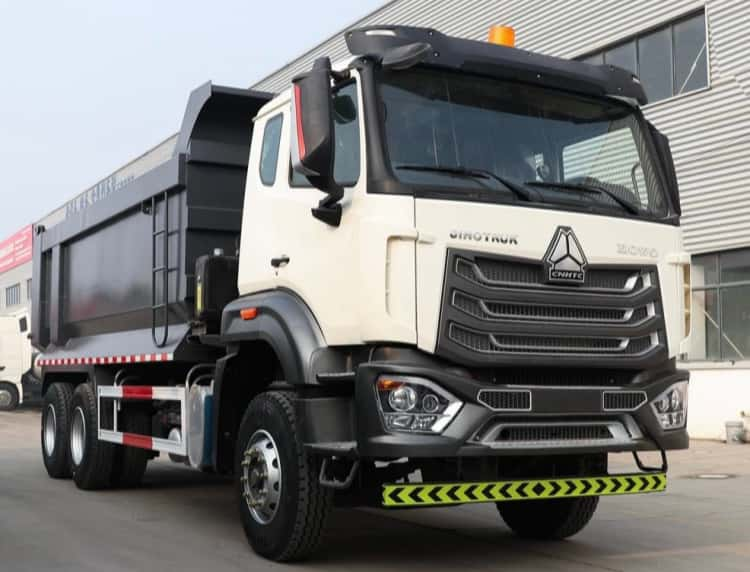
Circular economy is often discussed as an environmental or ESG objective, but it carries a strong operational business case for heavy-duty fleets. Without consistent standards, remanufacturing becomes just another vague term for patchwork repairs and uneven rebuild quality. Standardised REMAN ROAD circular reman truck moves beyond superficial reuse.
It establishes repeatable rebuild protocols, unified testing benchmarks and traceable asset passports, so the fleet gains predictable performance, streamlined maintenance and simpler asset rotation. This framework makes circularity not just a sustainability checkbox, but a core operational lever that improves day-to-day site hauling performance.
Eliminating Variable Quality That Disrupts Site Schedules
The biggest operational pain point with informal reuse and refurbishment is inconsistent quality. One rebuilt truck may hold up for thousands of hours, while another with the same model and price suffers repeated breakdowns. Technicians cannot anticipate failure patterns, dispatch teams cannot reliably plan hauling sequences, and site supervisors lose confidence in the fleet schedule.
Standardised circular reman truck enforces identical acceptance criteria for every unit: NDT structural scanning, dyno engine validation, brake and hydraulic functional testing, and clear duty classification. Every truck entering service meets the same baseline reliability, so operational planning becomes far more consistent.
Streamlined Maintenance, Parts and Technician Workflows
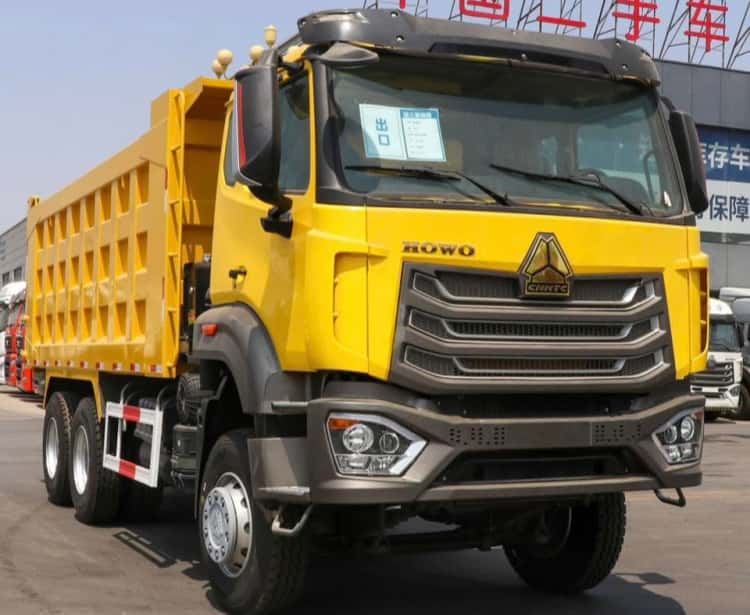
Standardisation creates a ripple effect across the workshop. When circular reman trucks follow the same rebuild specification, they share common service intervals, torque values and approved replacement components. Maintenance teams can build grouped service schedules, consolidate spare parts stock and reduce the number of unique SKUs they need to hold.
Technicians learn one proven rebuild and service procedure instead of adapting to a never-ending mix of custom repairs. This cuts training overhead, reduces human error during servicing and speeds up turnaround time during scheduled downtime. For mixed fleets, these standardised circular reman trucks create stable islands of predictable maintenance amid otherwise chaotic legacy workflows.
Traceability Embedded Into Daily Operations
A circular system only works when assets can be tracked through multiple lifecycle cycles. Each REMAN ROAD circular reman truck carries a VIN-linked traceability record that travels with it through deployment, maintenance, reclassification and eventual trade-back. Maintenance supervisors, safety officers and dispatchers can pull the rebuild history, test certificates and duty limits instantly.
This speeds up site mobilisation audits, simplifies safety inspections and clarifies operational boundaries. When a truck moves to a new site or a new contractor, the operational history transfers with it, removing the need to repeat full mechanical verification from scratch.
Controlled Lifecycle Rotation Supports Planned Fleet Turnover
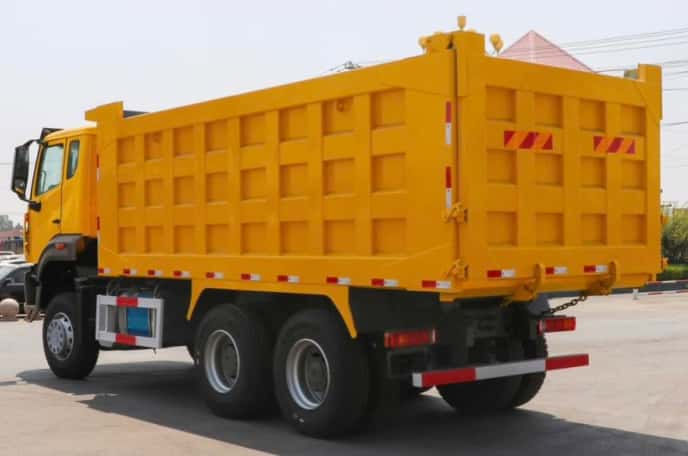
True circularity relies on reusable assets that can safely re-enter the market. Unstandardised rebuilt trucks have limited secondary value because buyers cannot trust their condition. Standardised circular reman truck creates a pool of interchangeable, auditable assets. Fleets can rotate units between peak standby work, long-term core contracts and short-term project assignments.
When the asset reaches the end of its current duty cycle, it can be re-tested, reclassified and redeployed to another suitable operator, rather than being scrapped or sold at a steep risk discount. This closed-loop rotation gives fleet managers more control over their replacement strategy instead of being locked into a linear buy-use-dispose cycle.
Operational Stability Translates to Better Client and Contract Performance
Consistent uptime and predictable hauling capacity directly shape contractor reputation. Standardised circular reman trucks reduce unplanned roadside failures, which means fewer idle excavators, fewer delayed material deliveries and lower risk of contract penalties. Project principals increasingly recognise documented circular assets as a sign of disciplined fleet management.
The standardised documentation also simplifies ESG reporting and tender compliance, opening access to projects that require verified scope 3 emission reduction evidence. These operational benefits compound over time, supporting more reliable tender pricing and stronger client trust.
Conclusion
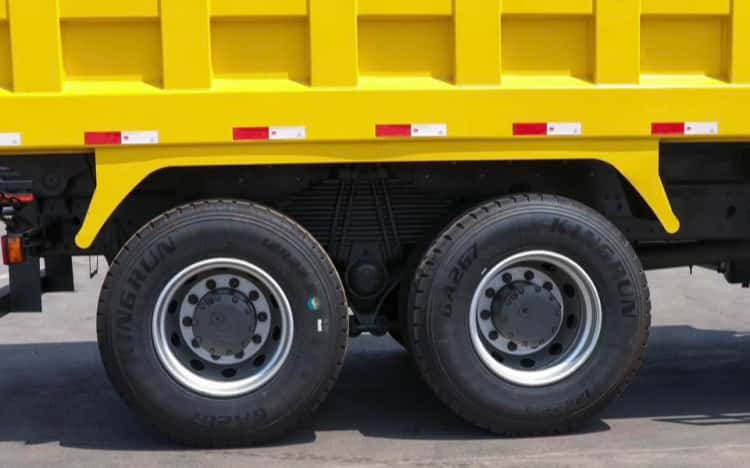
The operational case for standardised circular reman trucks rests on tangible, on-site improvements rather than sustainability rhetoric. Uniform rebuild standards reduce quality variability, simplify maintenance and parts management, enable traceable asset rotation and stabilise hauling schedules.
For fleet operators, this circular approach turns lifecycle reuse into a repeatable operational advantage, delivering consistent uptime, lower workflow friction and more flexible asset planning across project cycles.