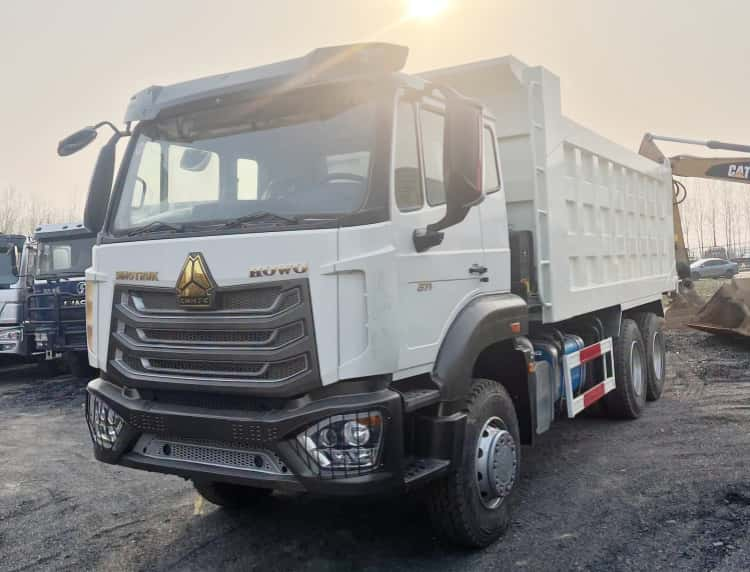
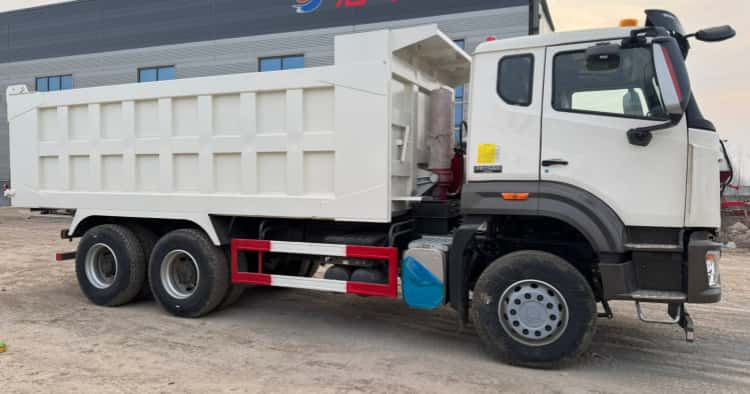
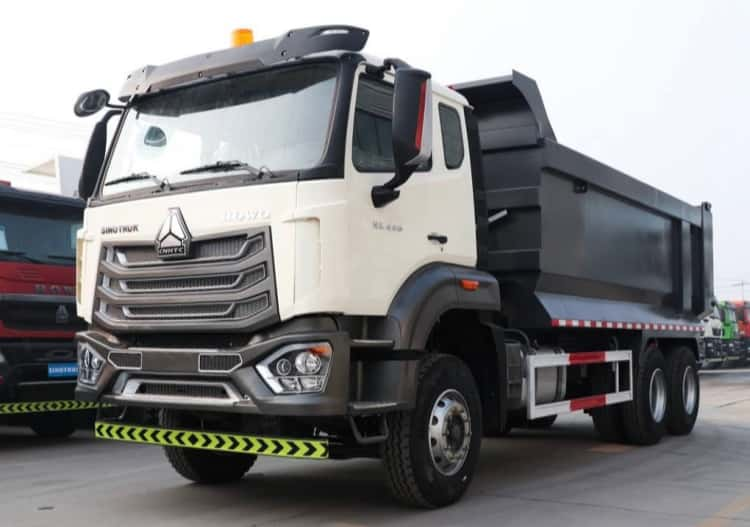
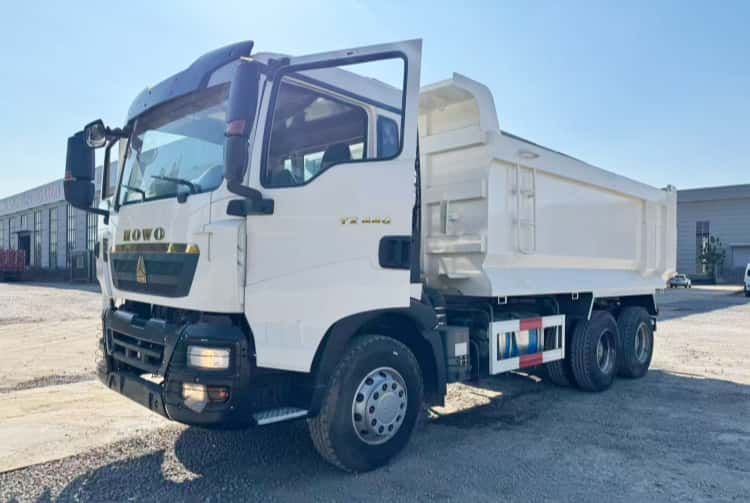
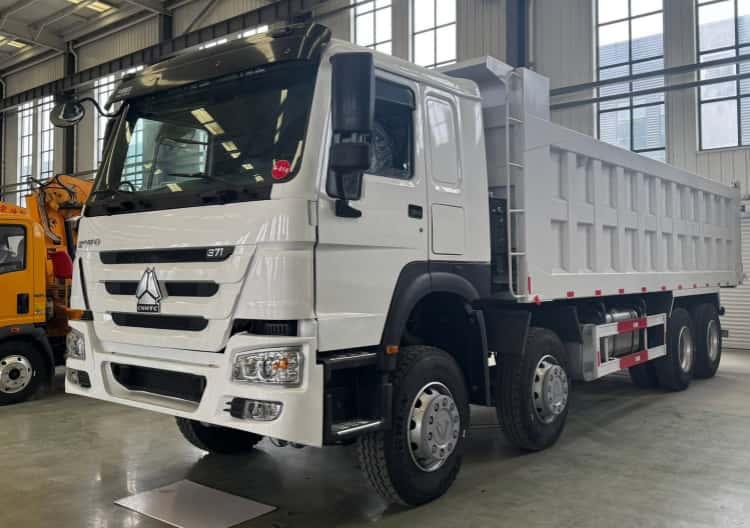
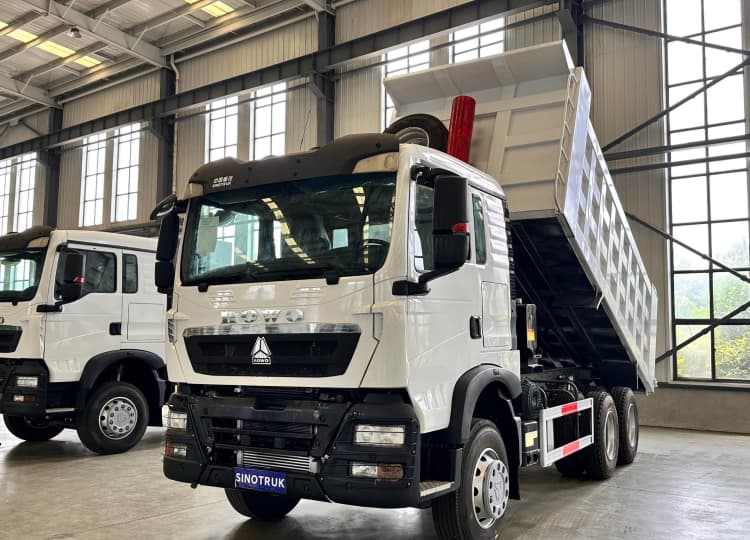
Verified Reman Truck: The Compliance-Ready Path to Lower-Carbon Procurement
Introduce
Many fleets face pressure to decarbonise procurement, but the options are narrow. New electric trucks carry high upfront costs, limited infrastructure and long lead times. New diesel heavy trucks lock in the large carbon footprint of raw material mining, forging, casting and full factory assembly. Generic used trucks may cut embodied emissions, yet they lack documentation to prove carbon savings to auditors, regulators and customers.
Verified reman truck sits in the middle. It cuts embodied carbon significantly, and its standardised traceability package turns environmental benefit into auditable evidence. This is what makes it compliance-ready for low-carbon procurement frameworks.
Embodied carbon is the hidden emissions block of new heavy trucks
A heavy truck’s lifecycle emissions split into two major buckets. The in-use phase comes from fuel burn during operation. The embodied carbon is the emissions released to build the asset: steel production, alloy smelting, component manufacturing, electronics fabrication and factory assembly.
For a brand-new heavy truck, embodied carbon is substantial. Even if the vehicle burns fuel efficiently, the carbon invested at manufacture is released once and cannot be recovered. When a fleet replaces a functional core with a new truck prematurely, it discards the remaining usable value built into the chassis and frame, wasting all that prior carbon investment.
Verified reman truck avoids repeating this high-carbon manufacturing cycle. It preserves the original chassis and structural core, only replacing targeted wear components. Compared to manufacturing an equivalent new truck, verified remanufacturing saves large volumes of raw material, energy and associated greenhouse gas emissions.
Verification turns carbon savings from a claim into a reportable metric
This is the critical difference between verified reman truck and ordinary used trucks.
A generic used truck may also extend asset life, but there is no consistent baseline. No one can prove whether it was inspected, reworked, or just resold as-is. Carbon savings become a subjective marketing statement, not accepted data for ESG audits.
A verified reman truck carries a closed traceability record tied to the VIN. The intake assessment, component grading log, mandatory replacement list, energy consumption of the reman process, and final validation results are all documented.
Fleets can use this dataset to calculate lifecycle carbon savings under LCA methodology. The saving can be booked into scope 3 emissions reporting, sustainable procurement disclosures, customer carbon declarations and sustainability KPIs. Regulators and third-party auditors accept this evidence because it follows a fixed, repeatable standard.
Without independent verification, the carbon advantage cannot be reliably used for compliance.
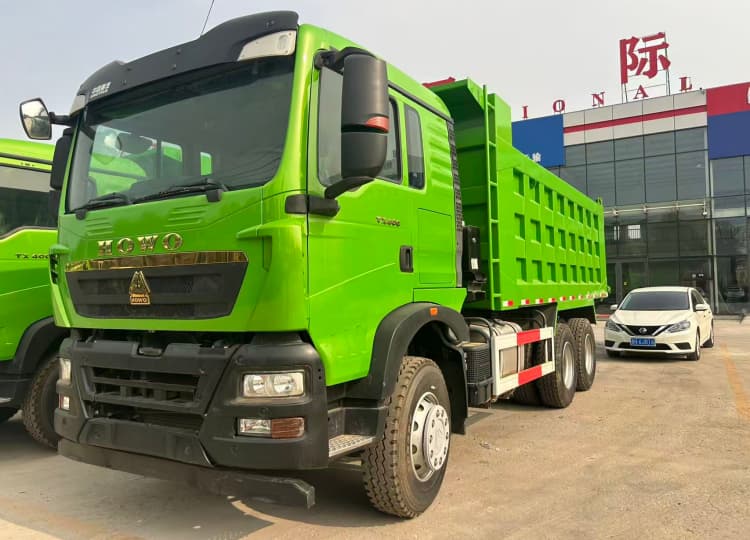
It fits sustainable procurement and tender requirements
More cargo owners, government tenders and supply-chain contracts now require suppliers to demonstrate low-carbon asset procurement.
These requirements are not limited to zero-emission vehicles. Many frameworks recognise circularity, life extension and resource preservation as valid decarbonisation actions — provided the intervention is formal, documented and safe.
Verified reman truck satisfies that criteria. It is not cosmetic refurbishment. It is a system-level lifecycle reset with structural screening, component governance and loaded validation. The fleet can include reman units in sustainable procurement declarations, meet tender circularity clauses, and demonstrate progress against science-based targets.
Generic used trucks usually fail these tender checks. Buyers cannot prove the asset has been responsibly processed, so they cannot count it towards formal low-carbon targets.
Carbon savings are paired with controlled operational emissions
Low-carbon procurement is not only about embodied carbon. It also requires predictable operational performance.
A poorly rebuilt truck may have a lower manufacturing footprint, but degraded injectors, compromised cooling systems or uncalibrated powertrains can raise fuel consumption and tailpipe emissions. The net carbon benefit disappears.
Under the REMAN ROAD standard, system calibration and loaded validation are mandatory acceptance gates. Every verified reman truck is tuned for balanced subsystem performance, with emissions-related components replaced or recalibrated per specification. The finished truck operates within expected fuel and emission envelopes for its assigned duty class.
This ensures the carbon saving from avoiding new manufacturing is not cancelled out by higher fuel burn during service.
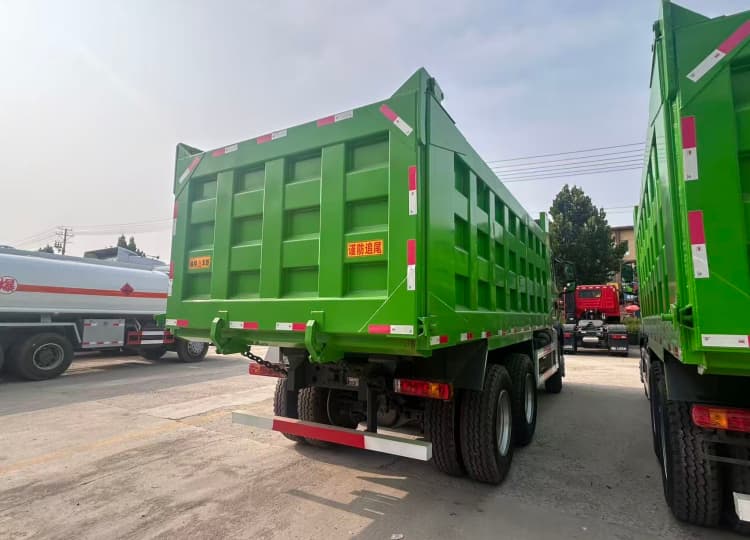
It supports phased decarbonisation for fleets
Full fleet electrification is not immediately practical for every route, site and region. Charging infrastructure, payload constraints and capital budgets create real barriers.
Verified reman truck creates a practical transition layer. Fleets can continue serving medium and light stable routes with low-embodied-carbon verified reman truck, while reserving new zero-emission or new high-rated diesel units for the harshest, highest-consequence duty cycles.
This layered approach avoids two common mistakes. One is rushing to replace all assets with new low-emission models, which creates a wave of embodied carbon from mass production. The other is retaining unmanaged old trucks, which creates reliability risks and fails ESG reporting rules.
Verified reman workflow lets fleets reduce procurement-phase carbon while they plan longer-term energy transition.
What it cannot do?
It is important to keep the compliance boundaries clear.
- Verified reman workflow does not eliminate tailpipe emissions of diesel powertrains. It reduces the carbon cost of bringing a usable working asset into service.
- It does not replace zero-emission vehicle requirements where rules mandate electric or hydrogen assets.
- Carbon savings are only valid when the truck stays within its approved duty envelope. Accelerated margin consumption and early failure erase the circular benefit.
- A rebuild without standardised intake, grading, testing and traceability cannot be classified as verified reman for carbon reporting.
Closing thought
Low-carbon procurement demands provable, auditable action, not sustainability marketing.
Verified reman trucks cut embodied carbon by preserving the existing structural core and avoiding the resource-intensive cycle of new truck manufacturing. Their standardised verified reman workflow and VIN-linked traceability turn carbon savings into evidence that passes audits, tender rules and ESG disclosure requirements.
For fleets building a practical decarbonisation roadmap, verified reman truck is a compliance-ready circular option — one that balances carbon targets, operational reliability and capital discipline.