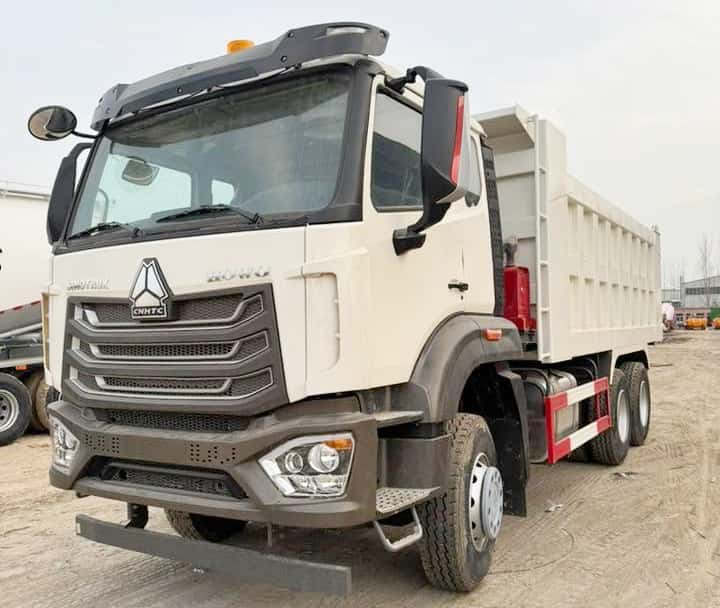
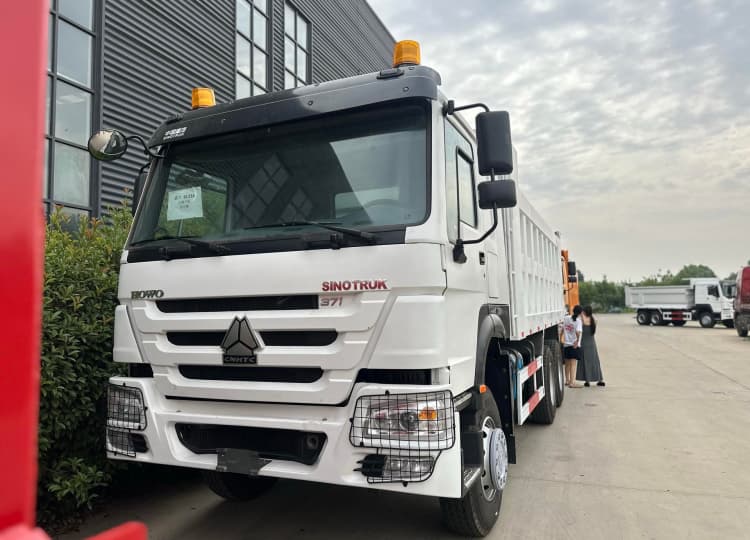
Industrial Reman Truck: Fleet Standardisation Without Buying Everything New
Introduce
Fleet standardisation is widely understood as a strategy to cut complexity. When assets share common specifications, parts, service workflows and performance expectations, fleets spend less on specialised training, scattered spare stock and custom repair work.
Many operators assume standardisation only works with a uniform fleet of new trucks. This is a costly misunderstanding. Standardisation is built on consistent rules, not factory-new hardware. A fleet can achieve tight, reliable standardisation by mixing new trucks and certified REMAN ROAD industrial reman truck, as long as all reman truck follow the same engineering baseline, validation criteria and duty classification framework.
What real fleet standardisation aims to solve?
Unstandardised fleets carry invisible operational friction. Mixed OEM models, inconsistent repair quality, unknown component tolerances and variable residual fatigue levels force maintenance teams to learn dozens of different workflows. Parts warehouses swell with unique SKUs for rare assemblies. Technicians cannot reliably predict failure modes or service intervals.
Worst of all, risk becomes inconsistent. Two trucks assigned to the same route may have wildly different remaining safe margins, even if they look similar and have comparable mileage. Maintenance planning, downtime forecasting and TCO modelling become unreliable.
The core goal of standardisation is to create predictable, repeatable asset behaviour. New trucks are one way to reach this goal, but they are not the only way.
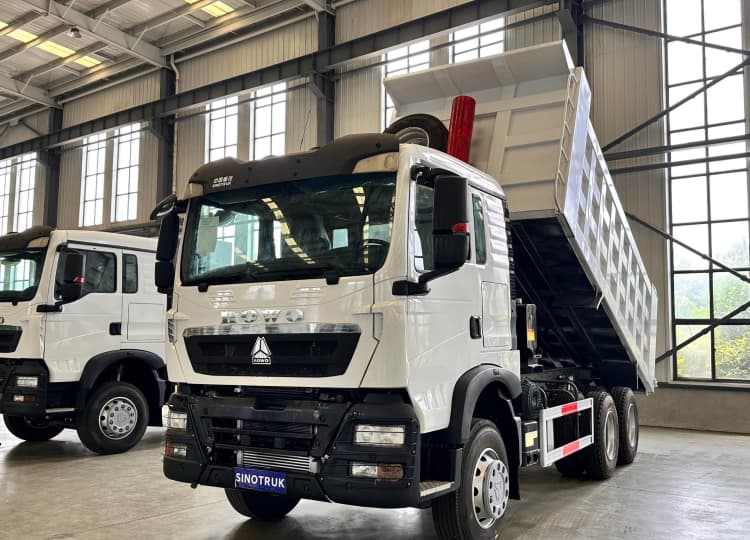
Industrial reman brings repeatable baselines to legacy cores
A generic used fleet cannot be standardised easily. Each used truck carries its own unique history of overload, repair, corrosion and fatigue. Even units of the same OEM model behave unpredictably.
Industrial reman truck changes this. Every reman unit passes the same intake screening rules, component grading thresholds, mandatory replacement lists, calibration standards and loaded acceptance tests. After reset, each receives a formal duty classification that defines its approved operating window.
Multiple Industrial reman trucks built from different original cores can be brought into a shared performance class. They follow the same service schedule, use the same approved replacement parts, and respond to maintenance interventions in consistent ways.
The original manufacturing date or prior service history no longer dominates the asset’s operational profile. The Industrial reman standard reset becomes the shared baseline.
Standardised maintenance and inventory, no full new fleet swap
One of the biggest practical benefits is aligned parts and service planning.
When reman trucks are built to a unified standard, the fleet can build a focused spare parts inventory. Instead of stocking parts for dozens of unknown repair histories, the workshop only needs to hold the components specified in the industrial reman standard’s mandatory replacement and wear schedules.
Service checklists become identical across the reman fleet. Inspection points, torque values, calibration targets and test procedures are consistent. Technicians only need to master one set of protocols for all reman assets in the same duty class. Training becomes simpler, diagnostic work speeds up, and human error drops.
This is a stark contrast to running a mixed, unvetted used fleet, where every repair feels like a custom engineering job.
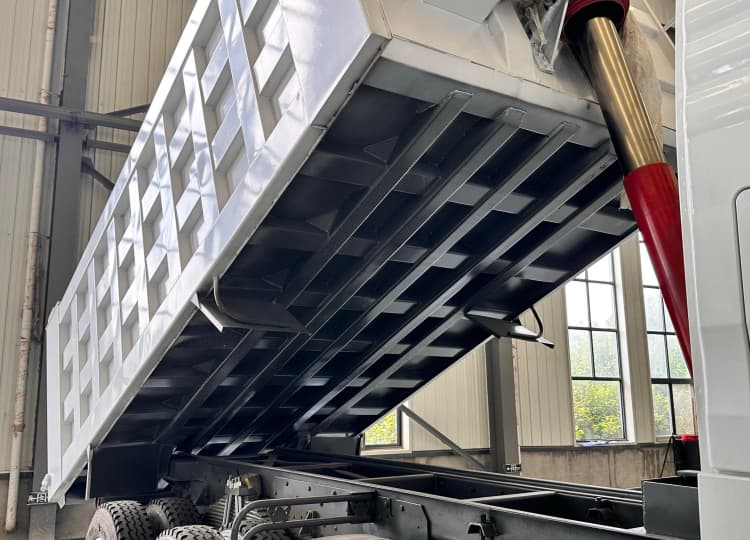
Standardised duty assignment and performance expectations
Standardisation also applies to how fleets deploy assets.
Each certified Industrial reman truck ships with a documented duty envelope. Assets in the same classification can be safely rotated across equivalent routes, without the maintenance team guessing whether a unit can handle the workload.
The fleet can build route templates, cycle count rules and overload alert thresholds that apply to the whole reman group. Performance KPIs such as fuel consumption, expected downtime frequency and service life forecast are comparable between units.
This creates operational consistency that generic used fleets cannot deliver. The fleet manager can build operational rules once, and apply them to the entire reman pool.
How new and reman assets coexist within one standardised fleet
A mature standardised fleet usually runs two aligned tiers, not one uniform group.
New trucks form the high-duty tier. They share OEM specs, factory warranty and full design margin, assigned to the harshest, highest-consequence routes. Certified Industrial reman trucks form the matched medium or light-duty tier. They follow the Industrial reman standard’s shared acceptance rules, and are grouped into their own duty classes.
The fleet does not force Industrial reman trucks to match the unlimited rating of new trucks. Instead, it creates separate, internally consistent standards for each tier. Both tiers are predictable, auditable and managed under the fleet’s central asset policy.
The fleet achieves standardisation without replacing every old truck at once. Refresh happens incrementally, as cores reach the end of their first life and qualify for reman intake.
The risk of fake standardisation
Not all reman programmes deliver standardisation. A workshop that rebuilds trucks ad-hoc, changing its rules for each core based on cost or part availability, cannot create a standardised fleet. Even if all trucks look the same externally, inspection standards, replacement decisions and calibration targets shift from unit to unit.
That kind of rebuild only creates visual uniformity. It does not deliver the repeatable engineering baseline that standardisation depends on.
True standardisation requires fixed, written rules that apply to every reman core: intake rejection criteria, NDT screening thresholds, component grading logic, allowable machining limits, system calibration requirements and final loaded validation gates. Independent verification confirms each unit complies with the same rule set.
Capital advantages of this approach
Building standardisation around reman removes the need for massive one-time capex.
If standardisation is only possible with new trucks, the fleet faces a costly, all-or-nothing refresh cycle. Budgets are strained, and the business must accept the steep depreciation cliff for every new asset.
By using certified Industrial reman truck, the fleet can standardise gradually. It adds compliant reman units year by year, retiring or harvesting cores that fail intake screening. Capital spending is spread out, the depreciation curve is flatter, and the fleet gains the operational benefits of standardisation without locking up huge sums in new equipment.
What this strategy does not promise?
It is important to define the boundaries clearly.
- Reman standardisation does not make reman truck identical to new truck. They operate under different residual margin limits and duty envelopes.
- It does not eliminate all variation. Different cores may land in different duty classes, and the fleet must still group assets by their approved classification.
- It cannot be achieved by buying low-cost, uncertified rebuilds. Without a unified, auditable workflow, variation and hidden risk remain.
Closing thought
Fleet standardisation is about consistent rules, predictable performance and aligned maintenance workflows. It is not a requirement that every truck is brand new from the factory.
Certified Industrial reman trucks built on a single unified standard let fleets roll out standardised service, inventory, training and duty assignment. Operators can gain the reliability and efficiency of a standardised fleet, while controlling capital expenditure, avoiding the new-truck depreciation cliff and refreshing capacity incrementally.
Standardisation is a system property — not a property of a factory-new vehicle.