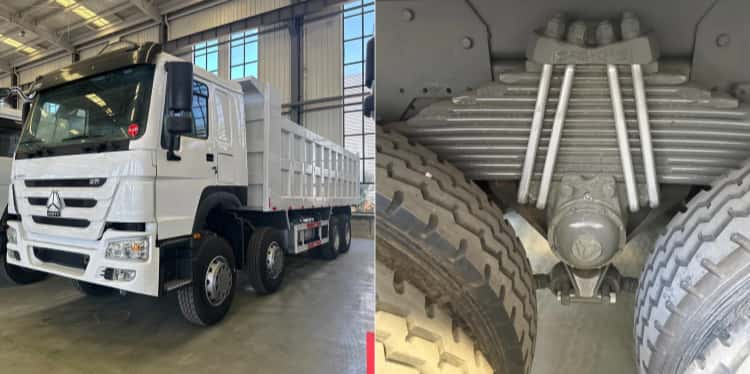
When Validated Reman Trucks Outperform New Ones: Specific Operating Scenarios
Introduction
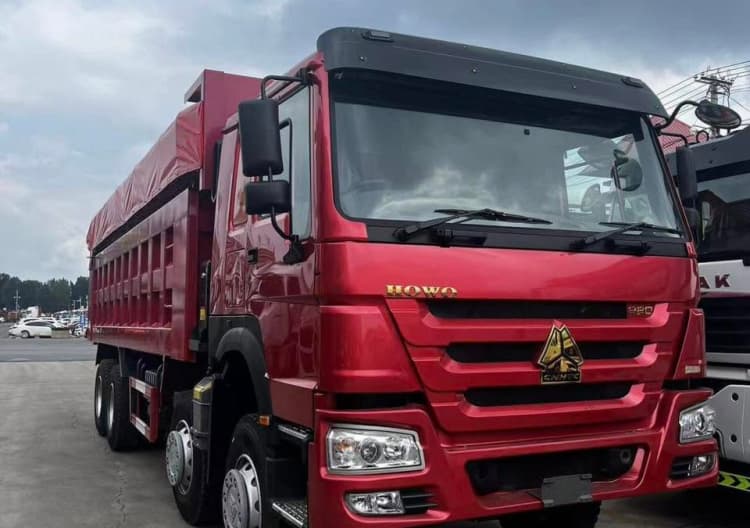
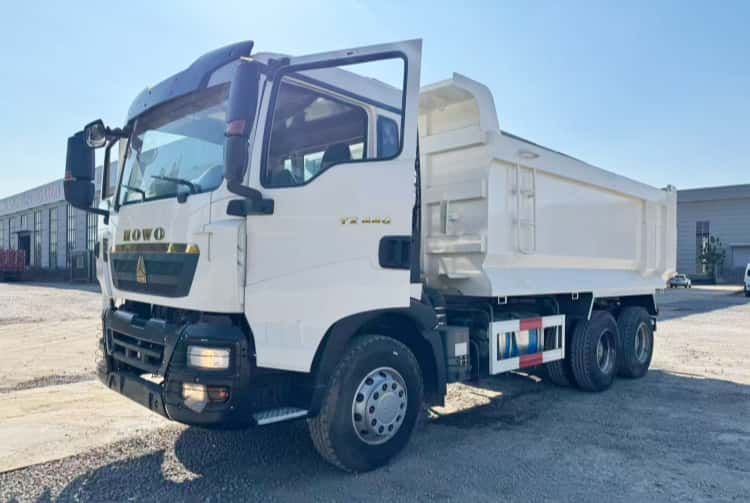
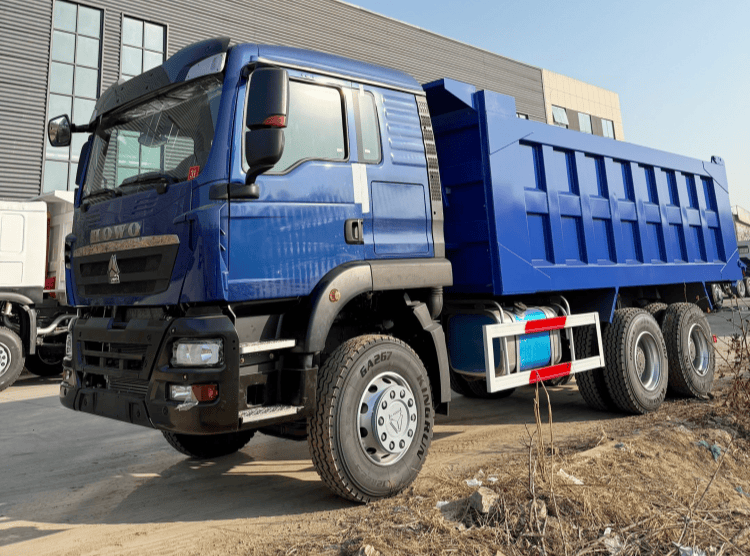
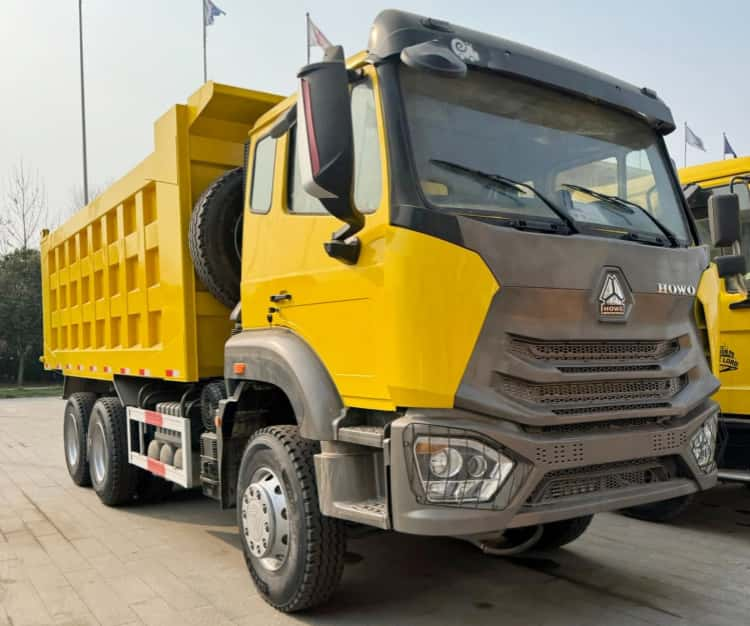
New heavy trucks are often treated as the default premium choice, but they are not always the best fit for every operating environment. REMAN ROAD validated reman trucks match or even outperform new units in specific scenarios, where the strengths of factory equipment — high upfront cost, steep early depreciation and rigid long-life design — become liabilities.
The advantage emerges not from raw horsepower, but from aligned risk, lower capital exposure and purpose-built durability for tough, time-bound hauling cycles. Recognising these scenarios helps fleet buyers avoid overbuying premium new assets when a validated reman truck solution delivers better commercial outcomes.
Short-Term Fixed-Duration Construction and Quarry Projects
For contracts with a clear end date, such as six-month stripping, road earthworks or temporary spoil haulage, new trucks carry a major exit penalty. Once the project concludes, operators are stuck with high-value assets that either sit idle or must be resold at a heavy loss. Validated reman trucks enter the fleet at a much lower acquisition price and follow a gentler depreciation curve.
When the contract ends, they can be traded back, reassigned to another site or resold without the same equity wipeout. The uptime, brake, hydraulic and structural performance is fully validated, so the contractor gets reliable hauling capacity without locking capital into long-term inventory. In this scenario, reman beats new on TCO and financial flexibility.
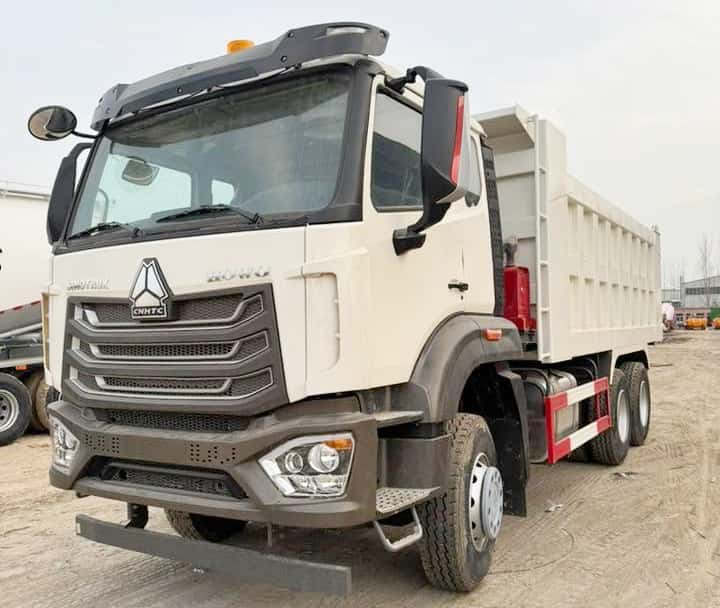
High-Wear, Abrasive Duty Cycles Where Surface Degradation Is Inevitable
Dump trucks working in quarries, sand pits and demolition sites face constant abrasion, impact loading and corrosive spoil. Body panels, suspension components and undercarriage wear quickly regardless of whether the chassis is new. Putting a brand-new truck into this environment means exposing a high-value asset to rapid cosmetic and structural degradation. The truck still loses its “new” premium fast, even with careful maintenance.
A validated reman truck is purpose-classified for this duty cycle from the start. Critical fatigue points have been NDT scanned, renewed and tested, and the operator accepts site wear against a lower base value. The operational output is identical, but the financial pain from inevitable wear is drastically reduced.
Peak-Demand Swing Capacity That Must Be Scaled Up and Down
Many fleets maintain a small core fleet and add temporary capacity for tender wins. Buying new trucks for peak demand creates a permanent increase in fixed overhead: insurance, registration, finance payments and scheduled service.
REMAN ROAD validated reman truck serves as swing capacity. It can be deployed quickly, passes site audit and insurance requirements, and carries warranty coverage. When demand falls, the operator can reduce the fleet footprint without the large write-down that comes with selling lightly used new trucks. This makes validated reman truck the superior option for businesses whose revenue pipeline is project-driven and unpredictable.
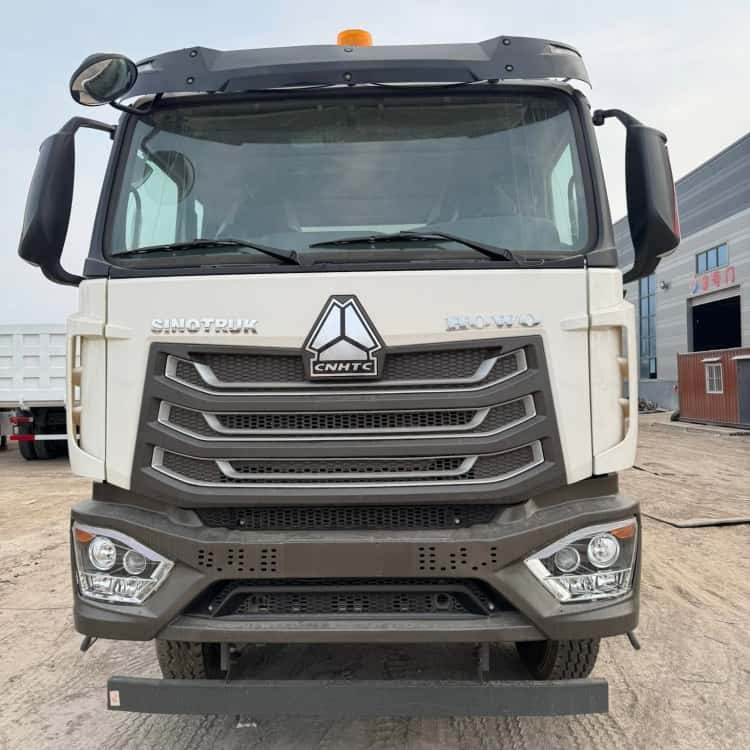
Remote Sites Where Logistics and Parts Supply Are Difficult
Remote mine access, rural haul routes and cross-border sites create supply chain risk. A new truck often relies on OEM-specific, latest-generation parts that can have long lead times. REMAN ROAD validated reman truck builds standardise on proven, widely available component specifications for each duty class. Spare parts are easier to source, and technicians already familiar with the standard rebuild workflow can diagnose and repair faults faster.
The traceable passport lists every part number and service procedure, reducing guesswork. In locations where downtime costs run into thousands per hour, this simpler, more supportable configuration can outperform a new truck with better factory specs but fragile supply chain support.
Test-and-learn Fleet Expansion for New Market Entrants
Operators entering a new region or new hauling segment cannot be certain whether the workload will sustain a permanent fleet. Buying new trucks is a high-stakes bet. Validated reman allows controlled market testing.
The operator can deploy a small fleet, measure uptime, client feedback and profitability, and then decide whether to scale, reallocate or exit. If the opportunity proves viable, validated reman trucks can remain in service; if not, the loss is limited. This low-risk learning path is not available with new trucks, where the financial commitment is immediate and substantial.
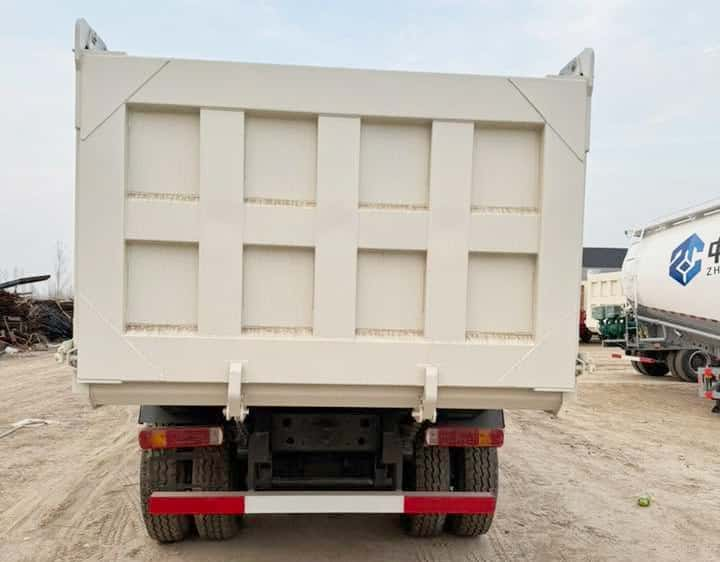
Important Caveat: Reman Is Not Universally Better
Validated reman outperforms new trucks only in these targeted scenarios. For long-life, multi-year core contracts requiring maximum factory warranty and latest emissions compliance, new trucks remain the correct choice. The strength of validated reman truck is not that it replaces new equipment, but that it fills a distinct operational niche where the financial penalties of new ownership outweigh the factory advantages.
Conclusion
REMAN ROAD validated reman trucks outperform new heavy trucks in specific operating scenarios: short fixed-term projects, abrasive high-wear duty cycles, temporary peak swing capacity, remote sites with limited parts access, and market-entry test fleets.
In these cases, the lower entry cost, predictable depreciation, standardised components and flexible exit routes create a better TCO profile, even while delivering validated, warranty-backed uptime. Smart fleet strategy means matching the asset type to the duty cycle, rather than defaulting to new equipment for every hauling requirement.