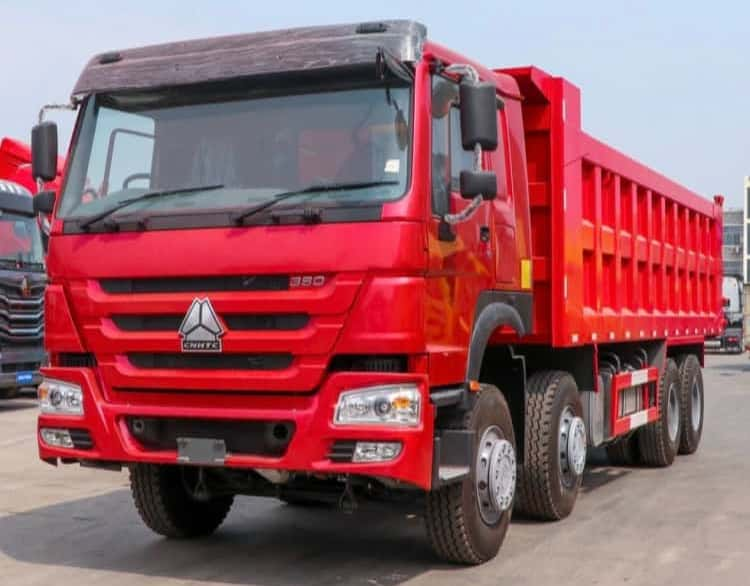
Standard Reman Truck: Faster Asset Availability When Factory Lead Times Stretch
Introduce
Factory lead time risk has become a persistent pain point for heavy-duty fleets. Semiconductor constraints, global component bottlenecks, OEM production scheduling and shipping delays can push new truck delivery windows out for many months. For carriers, mines and logistics operators, this delay creates a critical gap: demand for load capacity exists, but the ordered new assets do not arrive when the operation needs them.
Many fleets default to short-term rental or scramble for random used trucks to bridge the gap. Certified standard reman trucks fill this gap in a more controlled way. Speed is not the only advantage here. The speed comes attached to a unified engineering baseline, traceability and defined duty limits, rather than the unknown risk of unvetted spot purchases.
Why new-truck lead times are fundamentally slow?
A new heavy truck is built from the ground up to OEM specification. Each build depends on hundreds of unique sourced components, electronics modules, castings and finished assemblies. Once an order is placed, it enters the manufacturer’s production queue. The timeline includes component sourcing, chassis assembly, powertrain fit, regulatory certification, final testing and logistics delivery.
When supply chains tighten, this entire pipeline slows. Lead times become unpredictable. Even if the contract price is locked, the delivery date can shift repeatedly. Fleet planners cannot reliably schedule route expansion, contract fulfilment or driver allocation around a moving delivery target.
This is a production-cycle delay. It cannot be fixed by expediting alone. The factory only produces so many units per window.
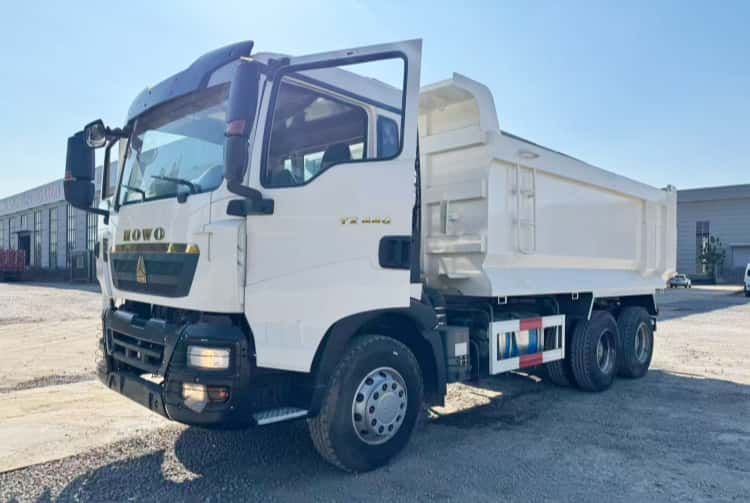
Reman works is decoupled from OEM production queues
Standard reman works does not rely on new factory chassis production. The starting point is a qualified existing core that has already passed intake assessment. The reman facility runs its own parallel workflow: disassembly, component grading, mandatory replacement, system calibration and loaded validation.
Well-run reman programmes maintain a pre-screened core inventory pipeline. They keep qualified cores in stock and batch-process them to standard rules. When a fleet places an order, the facility can allocate a core already cleared for structural suitability, and complete the reset process on a fixed, shorter timeline.
This supply chain is separate from OEM assembly lines. It does not compete for the same scarce new powertrain modules, chassis castings or electronic control units that bottleneck factory production.
Pre-built stock options cut waiting time further
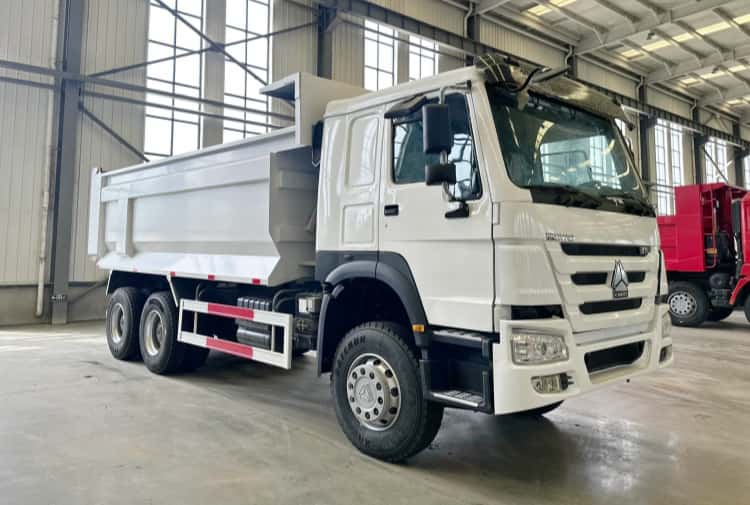
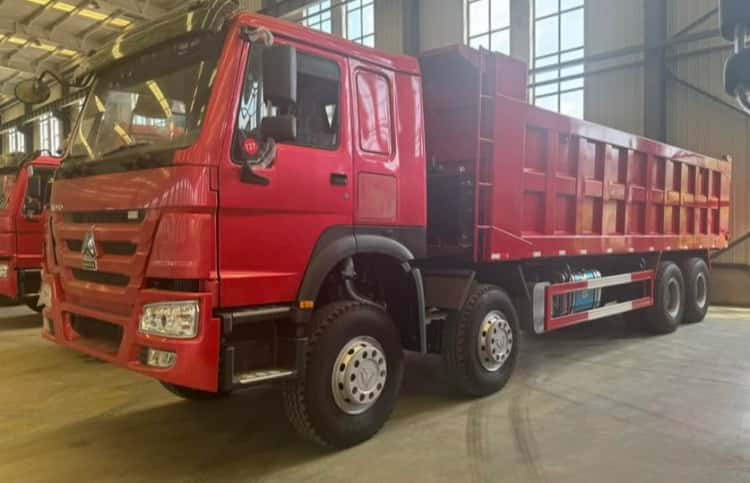
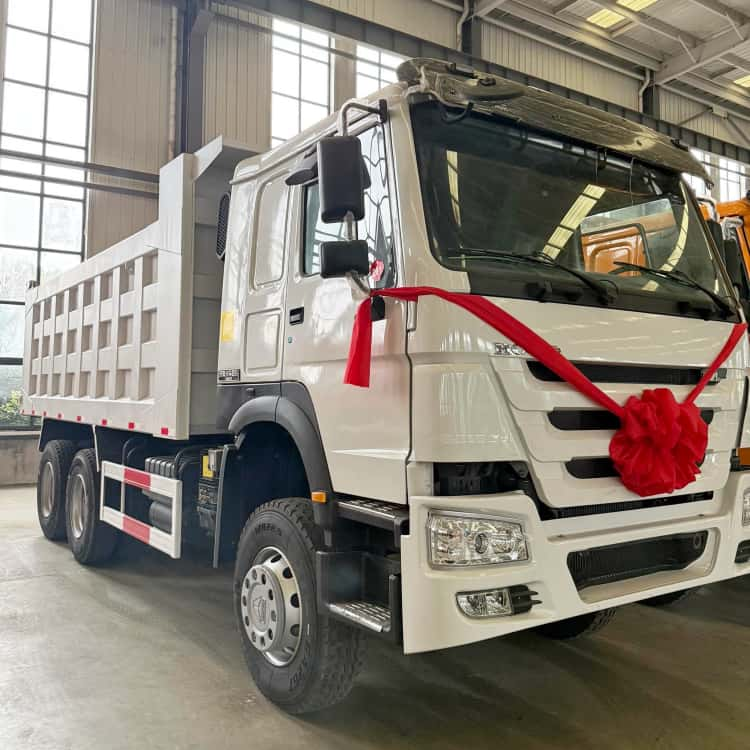
Mature REMAN ROAD standardised programmes hold finished certified standard reman trucks ready for immediate deployment.
These standard reman trucks have already passed all acceptance gates. Their NDT records, component grading logs, loaded test results and duty classification documents are closed and ready to transfer. The lifecycle clock is already set.
For fleets facing urgent capacity shortages, this changes the procurement equation. Instead of waiting months for factory build, they can take delivery of a fully validated reman truck within a short window.
This is the key distinction from generic used stock. Fast availability alone has no value if the asset carries hidden fatigue risk. The certified standard reman truck’s speed is paired with the same standardised acceptance criteria applied to every reman asset.
It protects revenue contracts and operational commitments
Many fleets sign long-term haulage, mining or site support contracts with fixed service obligations. When new trucks are delayed, they face two costly workarounds.
One option is expensive short-term rental. Rental rates are high, and control over maintenance, asset condition and ESG reporting is limited. The second option is buying random used trucks off the spot market. These assets come with unknown structural history, inconsistent reliability and volatile downtime risk.
Standard reman works sits between these two. It delivers fast availability, with bounded, documented risk and predictable TCO. Fleets can honour contracted service volumes without absorbing rental premium or gambling on uncharacterised used equipment.
For seasonal demand spikes or sudden route expansion, standard reman truck becomes a flexible capacity buffer.
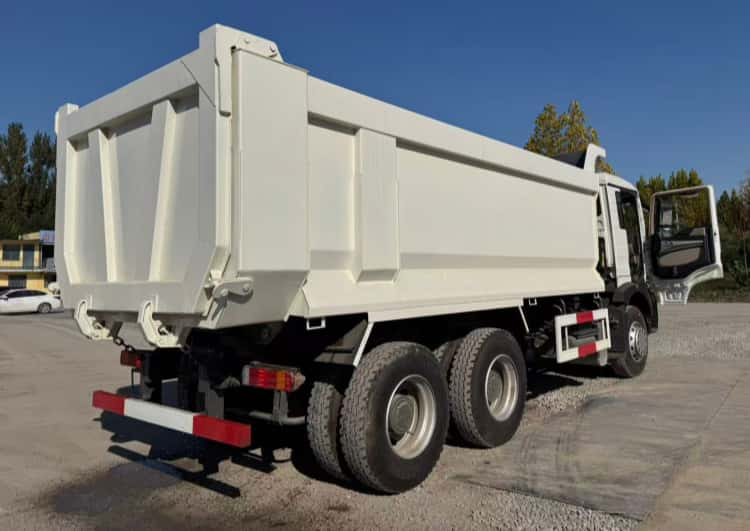
Speed does not mean cutting engineering corners
A common concern: faster delivery must mean weaker inspection standards. For standard reman, that is not the case. The reman works gates are fixed, regardless of delivery urgency. Intake structural screening, component grading, cross-subsystem calibration and loaded validation remain mandatory. No safety gate is waived for expedited orders.
The speed gain comes from pipeline design, not relaxed criteria. The reman operator pre-screens cores in advance, builds repeatable standard work instructions, keeps the correct mandatory replacement parts in inventory, and runs validation testing as a routine batch process. The rules are identical for stock units and custom orders. The only difference is that the queue is not tied to OEM factory constraints.
How it fits into the fleet’s long-term asset plan?
Fast reman availability is not only a temporary band-aid. Fleets can build a layered procurement strategy around lead-time risk. The long-range plan still includes new trucks for high-duty, high-consequence routes. These are ordered with full awareness of their long lead times. The near-term capacity buffer and incremental expansion capacity are covered by standard reman trucks. They arrive faster, fit into the fleet’s standardised maintenance regime, and follow the same duty classification framework.
This separates two planning horizons. Long-cycle factory orders cover multi-year fleet renewal. Standard reman truck covers immediate and medium-term capacity needs, smoothing the shock of OEM supply volatility.
The risk of confusing fast reman with fast cosmetic rebuilds
Not all quick-turn rebuilds are standard reman. Some workshops advertise fast delivery by skipping NDT screening, full disassembly and system-level loaded validation. They swap visible wear parts, repaint the cab and release the truck quickly. While delivery is fast, the asset carries unmeasured hidden fatigue and imbalance.
This is not the standard reman truck supply model. Fast availability only creates value when the full acceptance package travels with the truck. Buyers must verify that speed is enabled by a pre-planned core pipeline, not skipped inspection gates.
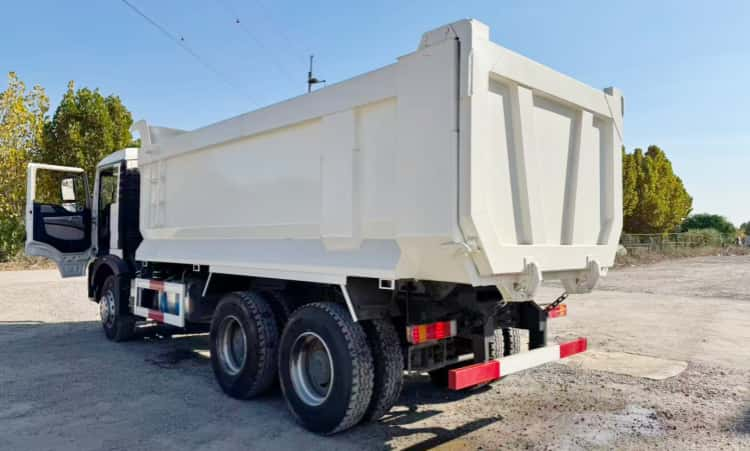
Closing thought
Factory lead-time stretch is a structural supply constraint for new heavy trucks. Standard reman trucks bypass OEM production queues, drawing on a separate pipeline of pre-assessed cores processed under fixed engineering rules. They deliver faster availability for capacity gaps, contract commitments and seasonal demand, while retaining the traceability, bounded residual margin and consistent baseline that define reman’s industrial identity.
Speed is a powerful operational advantage — but only when it is built on standardised workflow, not shortcut inspection.