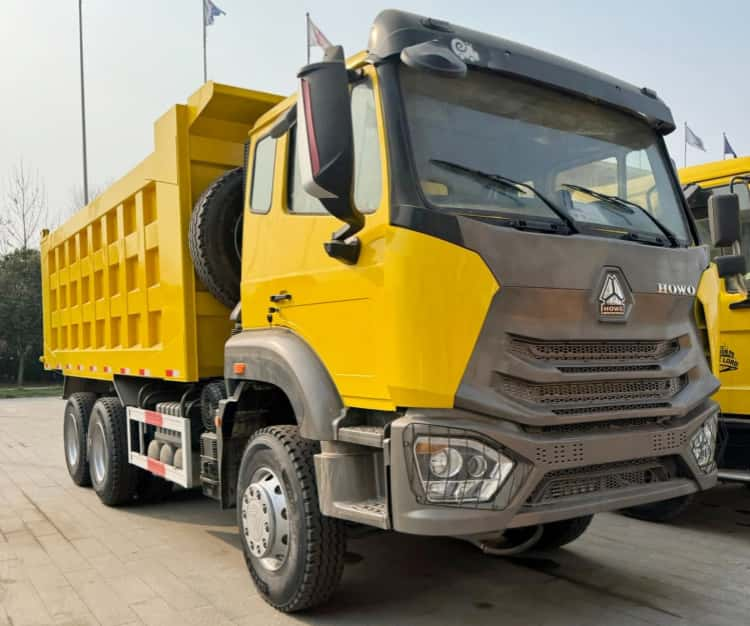
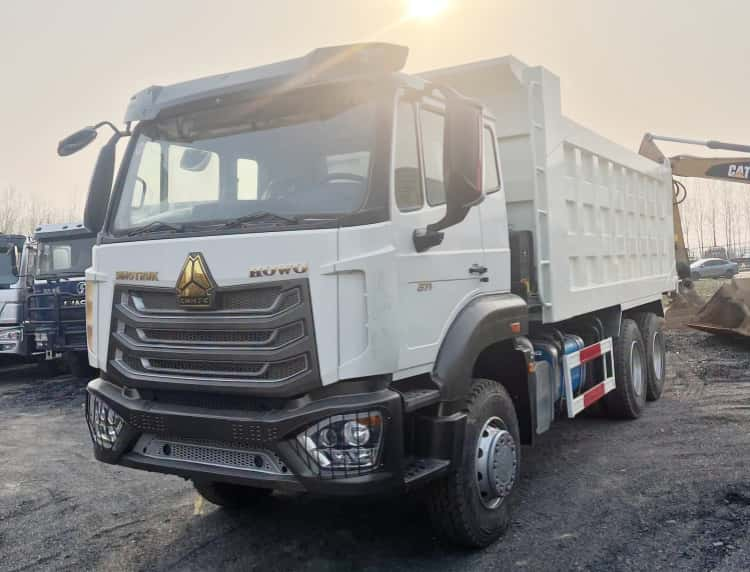
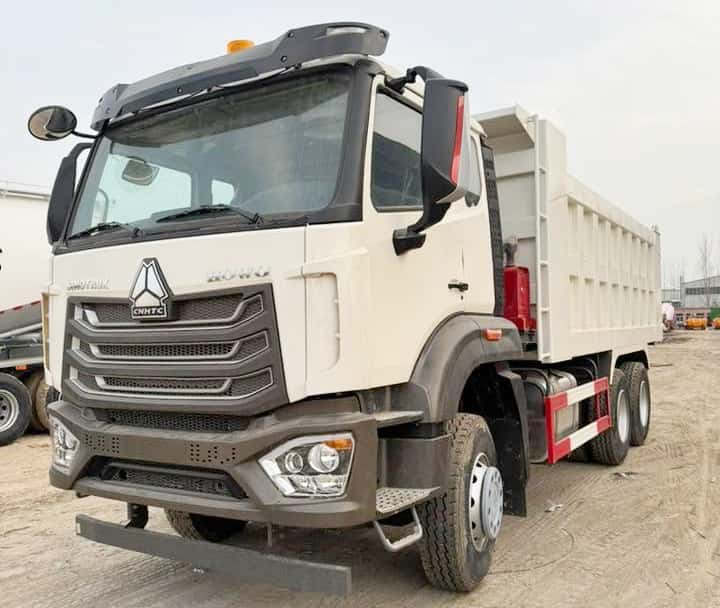
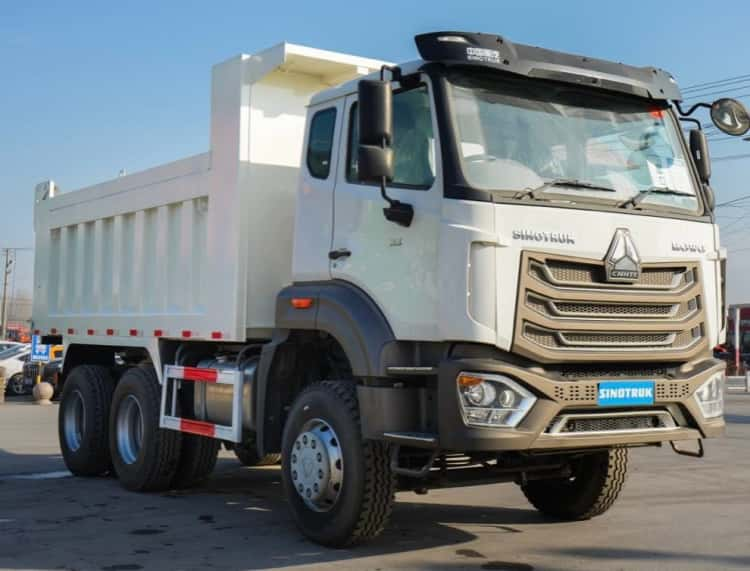
Safety Advantages of Certified Remanufactured Trucks
Introduction
For heavy vehicle fleets, safety is never an optional extra — it impacts driver wellbeing, insurance premiums, regulatory compliance and liability. Many buyers assume a used or cheaply refurbished truck is “safe enough” if it can start and drive. Yet hidden fatigue in braking, steering and structural components creates silent hazards that surface suddenly under heavy load.
Certified remanufactured trucks places safety at the centre of every build, following standardised inspection and replacement rules. Beyond cosmetic fixes, the process targets high-risk assemblies, removes latent defects and verifies performance, delivering measurable safety benefits for drivers, fleet operators and worksites.
Full Disassembly Lets Inspectors Find Hidden Safety Defects
Basic refurbishment only fixes obvious broken parts. Cracks, material fatigue and corrosion inside assemblies often remain hidden, invisible during a quick visual check. These defects may sit dormant for thousands of kilometres before failing under stress.
Certified remanufactured trucks follows full teardown reman procedures aligned with REMAN ROAD standards. Every critical safety-related assembly is taken apart completely. Technicians inspect frame rails, steering linkages, brake components and suspension parts individually. High-stress components go through non-destructive testing to spot internal cracks that simple visual checks miss. Any part that fails the acceptance threshold is rejected, rather than reused to cut costs. This deep inspection removes the unseen safety risks that are common in second-hand and low-grade refurbished trucks.
Mandatory Renewal of Safety-Critical Wear Parts
Brakes, seals, kingpins, steering bushings, air lines and safety restraint fixings degrade gradually. Cheap rebuilds often reuse these parts until they leak or fail, because replacing them adds cost. Even if a brake pad still has some thickness left, aged springs, corroded chambers and hardened seals can cause inconsistent braking response.
In certified reman workflows, safety-critical consumables and time-limited components are renewed proactively, not just when they break. Brake chambers, hoses, seals and mounting points are refreshed regardless of their current condition. This certified reman workflow ensures braking response, steering precision and air system reliability stay within original design limits. For trucks operating on steep mine roads or busy highways, consistent braking performance directly reduces collision and rollover risk.
Performance Validation and Functional Testing Before Delivery
A truck might look assembled correctly, yet still have hidden functional issues: uneven brake balance, steering free play, faulty warning sensors or leaking air circuits. These faults rarely get caught in a short test drive.
Every certified remanufactured trucks completes formal testing before handover. Brake balance, stopping performance, steering play, air system holding pressure, warning lights and emergency functions are logged and verified. If results fall outside acceptable ranges, the vehicle is reworked. This reman procedures testing confirms safety systems work as designed, instead of relying on assumptions. It also reduces the chance of safety-related faults appearing once the truck enters service.
Traceability Creates Clear Accountability for Safety
Ordinary used trucks often have patchy service histories. No one can confirm whether past repairs touched safety components, or what quality of parts was fitted. If a safety incident occurs, tracing the root cause becomes extremely difficult.
Each certified remanufactured trucks carries a complete traceability file. It records which safety components were inspected, graded, repaired or replaced, plus all test results. The fleet team, auditors and insurance providers can review this record at any time. This level of transparency supports regular safety audits, simplifies compliance checks and clarifies accountability. It also helps maintenance teams follow the correct service schedule to keep safety systems reliable long after delivery.
Reduced Risk of Secondary Failures That Compromise Safety
Small leaks, blow-by and contaminated lubricants can slowly damage adjacent safety systems. A slow air leak may not stop the truck immediately, but it can drain air pressure and disable brakes under heavy load. Degraded engine parts can trigger sudden power loss on downhill gradients.
By restoring sealing, compression and fluid control across powertrain and air systems, certified reman workflow reduces these cascading failure scenarios. Fewer unexpected roadside faults mean fewer emergency stops in high-risk locations and less chance of loss-of-control events. This is especially valuable for fleets working in remote mine sites, poorly lit haul roads or areas with limited emergency response support.
Final Takeaway
The safety advantage of certified remanufactured trucks does not come from one single upgrade. It comes from systematic disassembly, strict component screening, proactive replacement of safety-critical parts, formal performance testing and full traceability.
Compared with undocumented refurbished or ageing second-hand trucks, they lower the risk of sudden steering, brake and structural failures. For fleet operators, this translates to safer working conditions for drivers, better compliance, lower liability risk and more stable insurance outcomes.