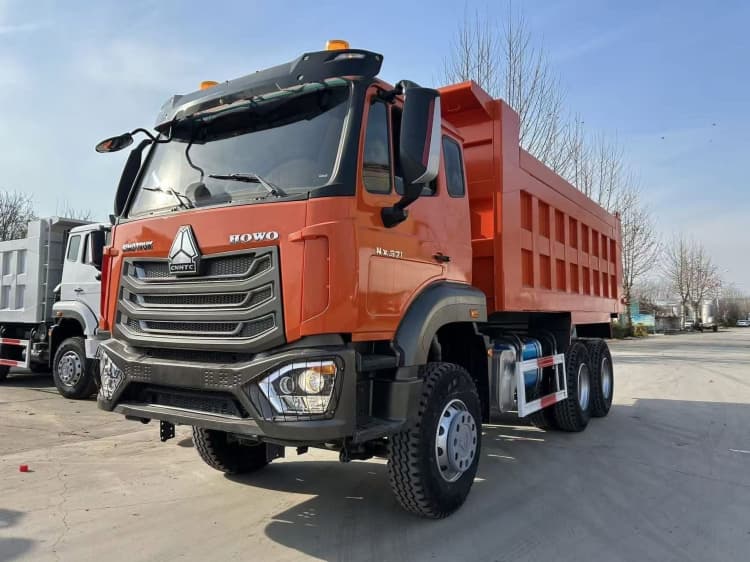
Remanufactured Heavy Trucks: Avoiding the New-Truck Depreciation Cliff
Introduce
The depreciation cliff is one of the quietest, largest costs for heavy-duty fleets. A brand-new heavy truck loses a substantial share of its market value the moment it enters service, with the steepest drop concentrated in its first 12 to 24 months. This front-loaded value erosion is not tied to mechanical failure. It is a market penalty for the “new-to-working” transition, combined with OEM pricing, warranty expiry and resale market discounting.
Certified remanufactured heavy trucks do not eliminate depreciation entirely. But they let fleets step past this cliff, and operate on a much gentler, more predictable value curve. This changes how you model holding cost, equity position and fleet rotation.
What the new-truck depreciation cliff actually is?
New heavy trucks carry a high entry price that includes factory premium, full OEM warranty and unused design margin. Once it is registered and put to work, the asset immediately moves from “new inventory” into “used working equipment”.
The biggest value loss happens early. After the first sharp drop, the depreciation rate slows gradually over the following years. The financial pain comes from timing mismatch. Loan or lease payments are fixed at a high level, while the asset’s market value falls rapidly. For a period, the fleet can hold negative equity: the truck’s book value is lower than the outstanding financing balance.
This cliff is unavoidable for new assets. It is baked into the asset class. Buying new means accepting this loss as part of the ownership cost.
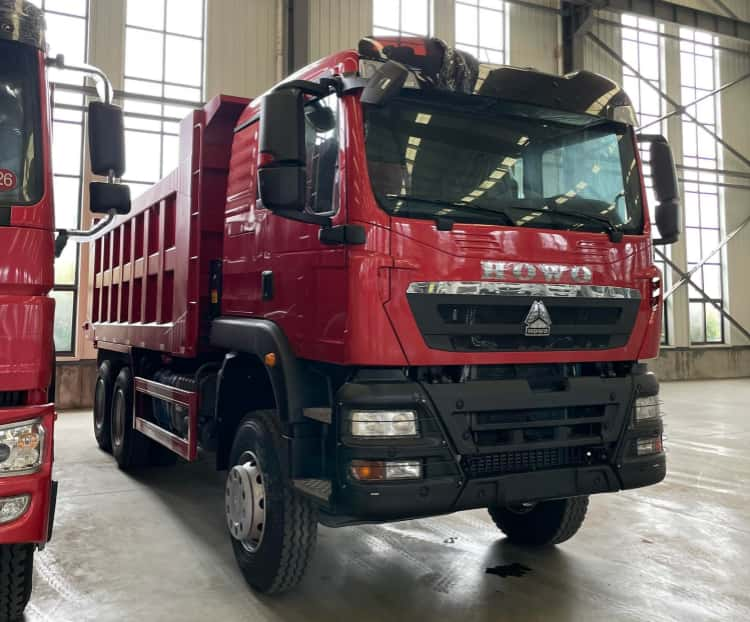
Certified remanufactured heavy trucks starts on the far side of the cliff
Certified remanufactured heavy trucks is built from a core that has already passed its first-life steep depreciation phase.
The original owner absorbed the heavy early value loss. When the core enters the reman workflows, it goes through intake screening, full system reset and independent validation. The reman workflows creates a new, bounded asset baseline, but it does not reset the price back to new-truck levels.
The purchase price is set at a point after the cliff. The market does not apply that same “new-to-used” penalty again. The depreciation curve from the reman reset date is far flatter. Value declines more slowly, with smaller year-over-year shocks.
This is the core financial advantage. The fleet skips the largest single hit of value loss without inheriting the unknown risk of an unvetted generic used truck.
Its depreciation curve is tied to residual margin, not novelty
New truck depreciation is heavily driven by market perception: new model cycles, OEM price changes, warranty status and the loss of “unused” status.
Certified remanufactured heavy trucks depreciation follows a different logic. Its value decays with the measured consumption of residual structural margin, and the wear of its defined duty envelope. The audit trail records how it has been used, what screening it passed and what limits apply.
Resale buyers, financiers and appraisers do not need to guess its history. They can review the VIN-linked evidence package. This reduces the large, arbitrary discounts that drag down ordinary used trucks.
The depreciation rate becomes more engineering-driven, less sentiment-driven. Forecasts are easier to build into multi-year fleet budgets.
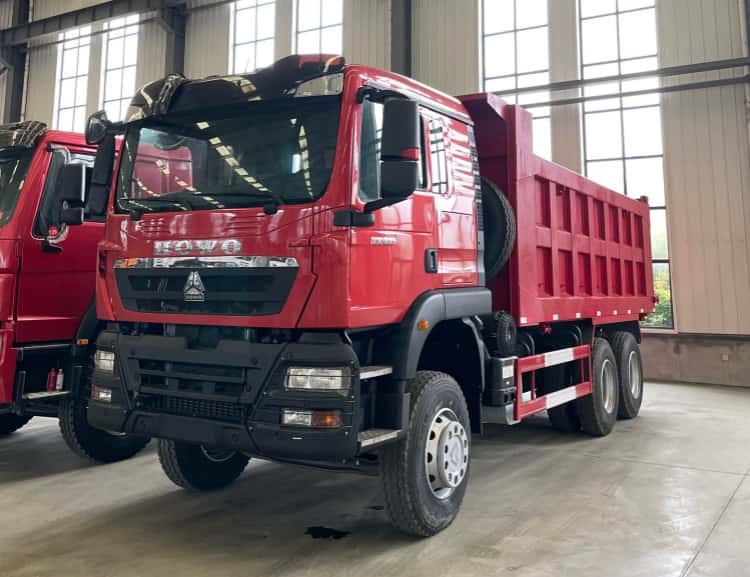
Less risk of negative equity
Negative equity is a major fleet headache for new trucks. If the fleet needs to sell or rotate the truck early, it may have to cover the gap between sale proceeds and the remaining loan balance.
Certified remanufactured heavy trucks’s lower entry price and flattened depreciation reduce this risk. The gap between outstanding debt and market value stays narrower.
For fleets that rotate assets regularly, this creates flexibility. Units can be resold, reallocated or re-entered into assessment for another lifecycle reset without a large unexpected write-off. The equity position stays more stable across the holding cycle.
The difference between reman and generic used trucks on depreciation
Generic used trucks also sit past the new-vehicle cliff, but they carry a different problem. Their depreciation is volatile. Hidden fatigue, undocumented overload, incomplete service history and unknown structural damage make appraisers apply heavy risk discounts. Resale value can collapse suddenly if latent defects emerge.
Certified remanufactured heavy trucks separates itself from this category. Its depreciation is slower and more consistent because the risk has been bounded by the standard reman workflows. The market recognises the evidence package as a reliable baseline, so discounting is more moderate and predictable.
Skipping the cliff is valuable, but only if the asset still carries verified reman status. A cheap uncertified rebuild trades the new-truck cliff for unpredictable, sudden value collapse.
How this shapes TCO and fleet strategy?
Many fleets only compare upfront purchase price. The depreciation cliff changes the full TCO picture.
When depreciation losses are large, the fleet’s true cost of ownership is far higher than the monthly payment. New trucks make sense for high-consequence duty where full factory margin is required. But for stable, medium-light duty cycles, certified remanufactured heavy trucks removes the biggest single depreciation hit.
This also supports the balanced fleet portfolio. A fleet can reserve new trucks for punishing routes, while remanufactured heavy trucks deliver capacity without loading the budget with front-loaded depreciation loss. The total depreciation pool for the whole fleet becomes smoother and easier to forecast.
What this does not mean?
It is important to keep the limits clear.
- Remanufactured heavy trucks still depreciates over its second life. It is not a zero-depreciation asset.
- It does not regain the full factory safety margin of a new truck. Its depreciation curve is built around its quantified residual margin.
- If it is operated outside its approved duty envelope, margin consumption accelerates, reliability falls and its residual value will drop faster than modelled.
- The depreciation advantage disappears if the remanufactured heavy trucks lacks independent verification and a complete traceability record.
Closing thought
The new-truck depreciation cliff is the steep, unavoidable early value loss that comes with buying factory-new heavy assets.
Certified reman heavy trucks let fleets buy after that cliff. They start their new lifecycle clock on a flatter depreciation curve, with value decay tied to measured residual margin and documented usage, rather than the sharp market penalty of a new truck entering service.
This is not just a pricing benefit. It stabilises equity, reduces early write-off risk and gives fleet managers a more predictable foundation for TCO planning and asset rotation.