
Refurbished vs Remanufactured Heavy Trucks: Key Differences & Buyer’s Guide
Introduction
In the global heavy equipment market, buyers searching for affordable heavy trucks often encounter two categories: refurbished trucks for sale and remanufacturing trucks.
Many overseas fleet owners, mining contractors and logistics operators mistakenly treat them as the same product. However, the two terms represent completely different quality levels, technical processes, safety standards and investment values.
Simply put, refurbishment is “fixing visible problems”, while used heavy trucks remanufacturing process is “rebuilding the truck to new factory standards”. Understanding the core differences will help you avoid high-risk used truck traps and select stable, long-term profitable heavy equipment for your fleet.
What Is a Refurbished Trucks?
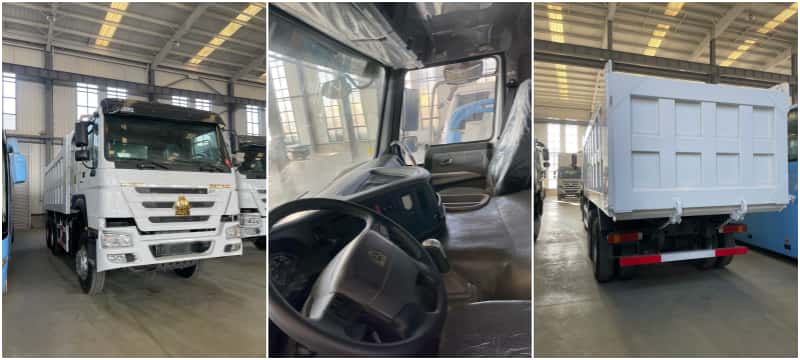
A refurbished trucks for sale is a conventionally repaired used vehicle. The refurbishment process is superficial and goal-oriented only for appearance and basic usability. Sellers clean the truck, repaint worn surfaces, replace broken small parts, and repair obvious mechanical faults that directly affect driving.
No full disassembly, no system overhaul, no structural testing, and no standardized quality control. Most original wear, fatigue clearance and aging core components remain unchanged. Refurbished trucks for sale look good externally but retain massive hidden internal defects.
What Is a Remanufactured Trucks?
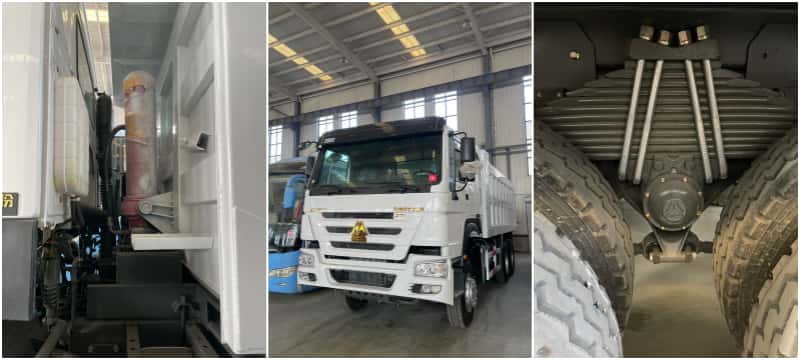
A remanufactured trucks is an industrially reproduced heavy vehicle based on strict OEM restoration standards. It undergoes complete vehicle disassembly, full part cleaning, non-destructive flaw detection, systematic component screening, 100% renewal of aging wearing parts, core system calibration and 72-hour full-load durability testing.
Used heavy trucks remanufacturing process eliminates both visible faults and invisible structural and mechanical hidden dangers. The final performance, power stability, safety coefficient and service life are restored to nearly new truck standards, forming standardized, traceable and warrantable finished equipment.
Core Differences You Must Know
Process Depth: Surface Repair vs Full Rebuild
Refurbishment only modifies the surface and faulty parts. It does not touch engine internal components, gearbox clearance, chassis fatigue cracks or aging hydraulic systems. The original mechanical wear continues accumulating after delivery.
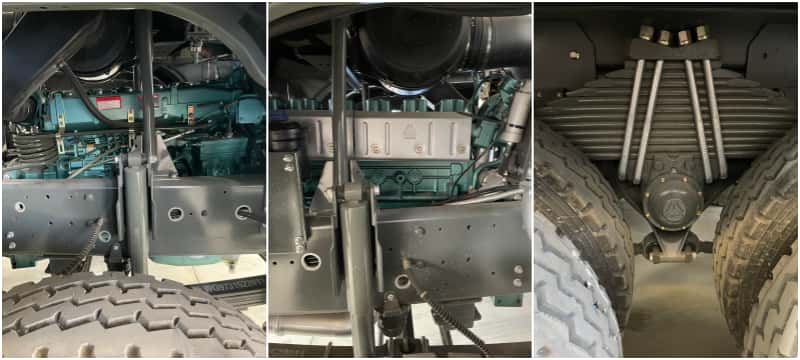
Used heavy trucks remanufacturing process tears down the whole truck to individual parts. Every component is inspected, repaired or replaced. The entire vehicle is reassembled following factory assembly torque and used heavy trucks remanufacturing process standards, achieving comprehensive performance regeneration.
Safety Standard: Hidden Risks vs Structural Elimination
Heavy trucks work under full-load, uphill and bumpy road conditions. Refurbished trucks retain frame deformation, metal fatigue and brake system aging, which easily cause sudden breakdowns, braking failure and structural fracture during operation, bringing huge safety risks to fleets and projects.
Remanufacturing trucks pass strict structural flaw detection and reinforcement. All potential safety hazards are eliminated in the production stage. The updated braking, transmission and hydraulic systems ensure long-term high-intensity working safety.
Performance Stability: Temporary Usability vs Long-Term Consistency
Cheap refurbished trucks for sale can work normally in a short period but degrade rapidly. Power drop, oil leakage, shifting jitter and overheating will reappear within several months, leading to frequent downtime and unstable construction progress.
Remanufactured trucks maintain stable performance for a long time. With renewed core components and system calibration, fuel economy, power output and operating sensitivity remain consistent, supporting continuous 24-hour heavy-load operation.
Quality Credibility: No Records vs Full Traceability
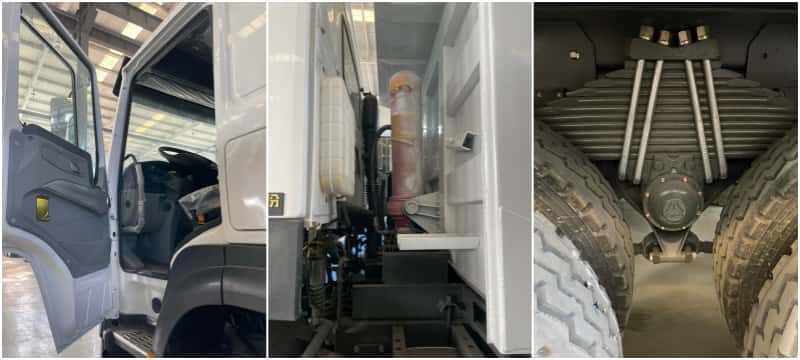
Cheap refurbished trucks for sale have no standardized production records, no inspection reports and no parts replacement logs. Buyers cannot verify the actual vehicle condition and bear all unknown risks.
Every REMAN ROAD remanufacturing truck is equipped with complete remanufacturing archives, including disassembly records, testing data and replacement lists. The whole quality process is transparent and traceable.
After-Sales Value: No Warranty vs Official Global Warranty
Cheap refurbished trucks for sale come with zero after-sales guarantee. Once mechanical failures occur after purchase, all maintenance costs and downtime losses are borne by the buyer.
REMAN ROAD Remanufactured trucks support official global warranty for core assemblies. Professional after-sales technical support ensures safe and worry-free fleet operation.
Which One Is More Cost-Effective?
For short-term temporary use with low load requirements, refurbished trucks for sale seem cheap but are risky and unstable. For formal mining, long-distance logistics, large-scale construction and long-term fleet operation, remanufacturing trucks are far more cost-effective.
REMAN ROAD remanufactured trucks balance low procurement cost, new-machine performance, low failure rate and long service life. They avoid repeated maintenance, project delays and asset losses caused by inferior refurbished vehicles, maximizing long-term fleet profitability.
Final Verdict
Cheap refurbished trucks for sale are “used trucks with new paint and simple fixes”, while remanufactured trucks are “high-quality regenerated equipment with new-machine standards”. For professional fleet investment and asset management, standardized remanufactured heavy trucks are always the safest and most reliable choice.