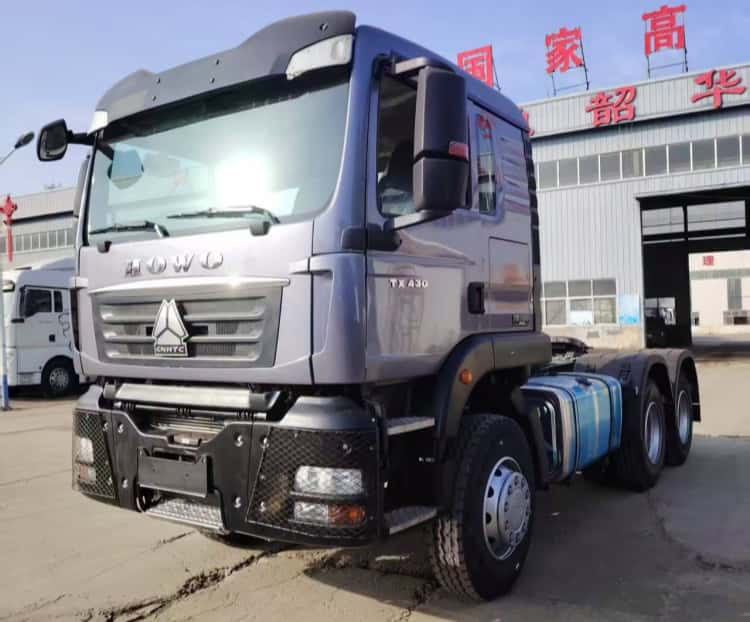
Where the Heavy Duty Reman Market Is Heading in the Next Decade?
Introduction
For decades, heavy duty remanufacturing focused mostly on standalone components: engines, axles, transmissions. The next ten years will redefine the sector entirely. Supply chain volatility, import restrictions, ESG reporting rules, electrification and rising fleet demand for predictable TCO will push certified heavy duty remanufacturing into the mainstream.
The market will split sharply between benchmarked, auditable reman operators and low-quality informal rebuilds that struggle to satisfy tender, insurance and compliance requirements.
Full Vehicle Reman Will Gain Traction, Not Just Component Reman
Today’s global standards are largely written for powertrain and hydraulic parts. Over the next decade, independent certified reman brands like REMAN ROAD will fill the gap for complete heavy truck chassis reman. Fleets will increasingly buy graded, duty-aligned full reman trucks instead of piecing together rebuilt components.
Core bank management, pre-emptive corrosion screening and NDT inspection will become standard infrastructure for full-vehicle reman facilities, supporting batch fleet orders for mining, construction and long-haul haulage.
Digitalisation, AI and IoT Traceability Become Table Stakes
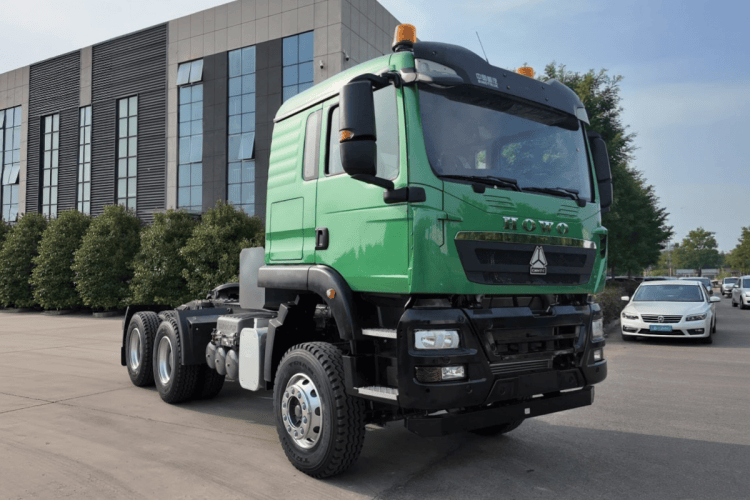
Manual inspection and paper logs will be replaced by unified digital core tracking systems. AI visual inspection and automated NDT will catch microcracks and dimensional defects that human inspectors miss. Every core will carry a permanent digital record covering intake screening, machining, bench test data, warranty terms and post-delivery operational performance.
Blockchain and RFID traceability will become non-negotiable for client pre-qualification, ESG audit and insurance underwriting. This digital layer will also feed fleet ROI and TCO models, turning reman performance data into a sellable commercial asset.
ESG and Scope 3 Carbon Rules Will Drive Mandatory Differentiation
Tender documents, investor disclosures and carbon accounting will force buyers to separate heavy duty remanufacturing from recycling and simple used resale. Certified heavy duty remanufacturing will be recognised as a high-value circular pathway that preserves embodied carbon, while recycling is classified as downstream material recovery.
Fleets will pay premium attention to reman suppliers that can deliver auditable carbon savings data. Greenwashing risks will push regulators and main contractors to enforce clear definitions, formal grading rules and independent third-party verification for reman claims.
Emerging Markets Will Be The Fastest Growth Zone
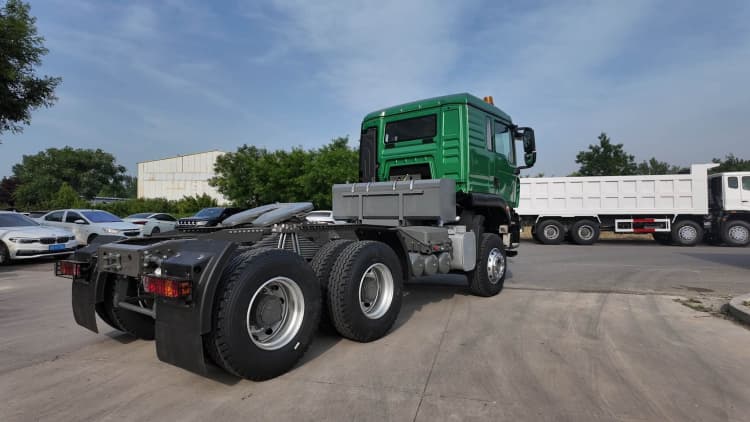
Africa, Central Asia and parts of Latin America will become the primary growth engine. These markets face tight new-truck import quotas, foreign exchange limits and long lead times for OEM supply. Standardised certified heavy duty remanufacturing offers a compliant, faster capacity route for project fleets.
Demand will centre on robust, serviceable heavy platforms such as Howo and Shacman, with regional reman hubs built around local core return networks. Mature markets in Europe and North America will grow more slowly, focused on high-spec component reman and regulated emissions compliance.
Reman Adapts to Electric Heavy Vehicle Architecture
As electric heavy trucks scale, heavy duty remanufacturing will expand beyond diesel powertrains to batteries, electric motors, inverters and high-voltage drivelines. This will create a new set of reman rules: safety testing, state-of-health grading, thermal inspection and controlled disassembly protocols.
Diesel reman will remain dominant for many years in off-grid mining and remote construction sites, creating a dual-track reman market serving both legacy combustion and electric fleets.

Standardisation and Certification Will Sort Winners From Low-Quality Rebuilds
The market will polarise. Buyers will grow more sophisticated, equipped with TCO models and clear procurement criteria. Informal rebuilds without traceability, NDT or warranty will face higher insurance loadings, tender disqualification and shrinking financing access.
Industry bodies will align around shared acceptance criteria, core eligibility checklists and duty grading frameworks. Procurement teams will no longer treat “reman” and “rebuild” as interchangeable terms.
New Commercial Models: Core Return, Performance Warranty and Fleet-as-a-Service
Beyond one-off truck sales, reman providers will roll out closed-loop core return agreements, usage-based warranties and bundled service packages. Instead of only selling an asset, reman operators will sell uptime: fixed maintenance schedules, predictable wear curves and guaranteed availability for multi-year haul contracts. This aligns reman’s value proposition directly with fleet cash flow and fixed-rate contract pricing needs.
Conclusion
The certified heavy duty remanufacturing market over the next decade will mature from a component aftermarket fix into a strategic fleet capacity solution. Driven by digital traceability, ESG compliance, emerging-market infrastructure demand and the gradual arrival of electric component reman, certified full vehicle reman will become a formalised procurement category. The competitive dividing line will be standardisation, auditability and consistent lifecycle data, separating trusted reman brands from unregulated rebuild operations.