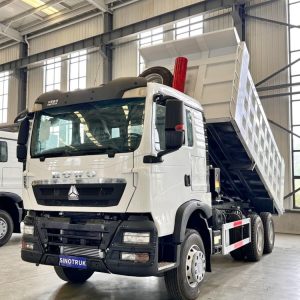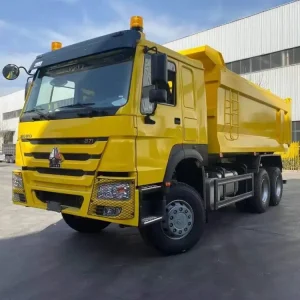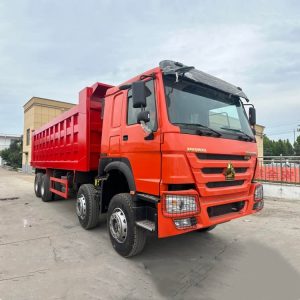
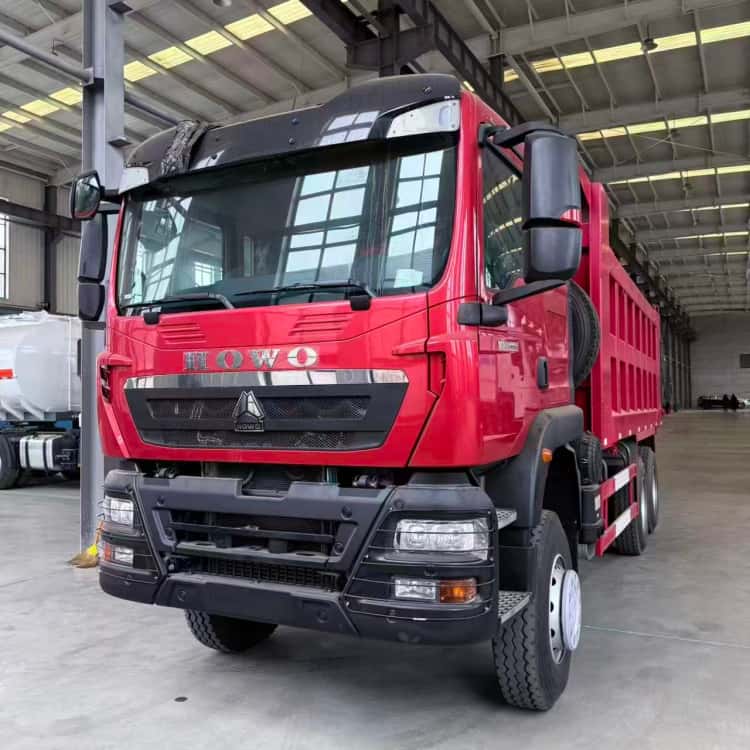
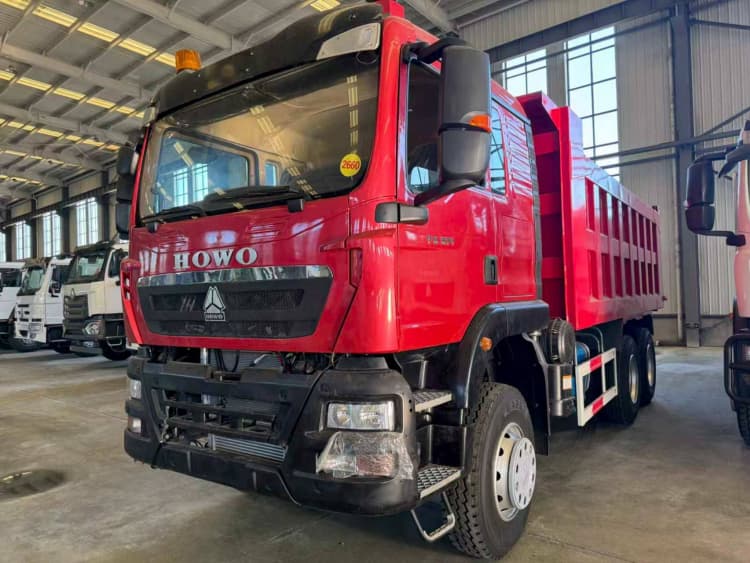
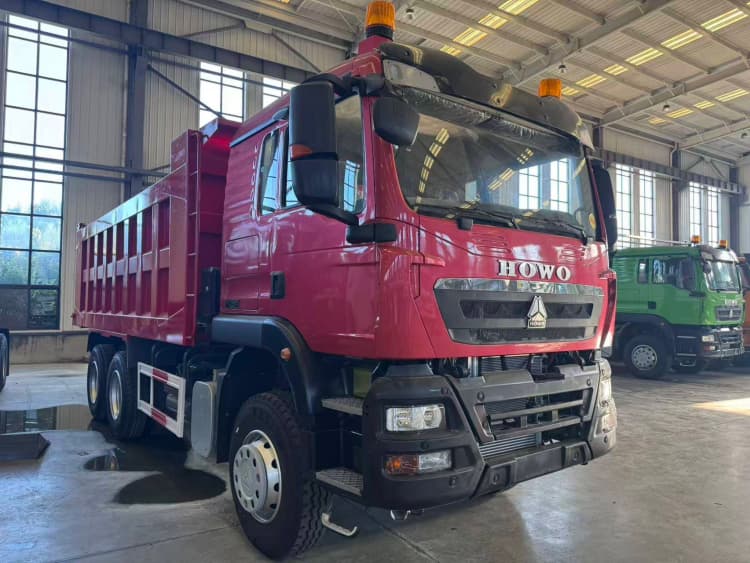
Reman Howo TX Tipper Truck 371 6×4
REMAN ROAD reman Sinotruk tipper truck is rebuilt under component-centric reman logic. We judge each individual part’s remaining service life, regenerate eligible assemblies and eliminate hidden structural risks from the source.
Remanufacturing Tipper Lorry Description
- Genuine tipper lorry industrial remanufacturing focuses on components, not just the whole vehicle appearance.
- For this remanufacturing tipper lorry, we screen each part independently, separate reusable, repairable and scrap components. Any part that cannot reach reman standard will not be assembled back.
- This component-based regeneration ensures the final vehicle’s safety and performance, creating sustainable heavy transport assets for engineering fleets worldwide.
Full Parameter Table
- Model: Reman Howo 6×4 Tipper Truck TX 371
- Drive Form: 6×4, high load-bearing capacity, built for bulk material hauling on mine & construction off-road terrain
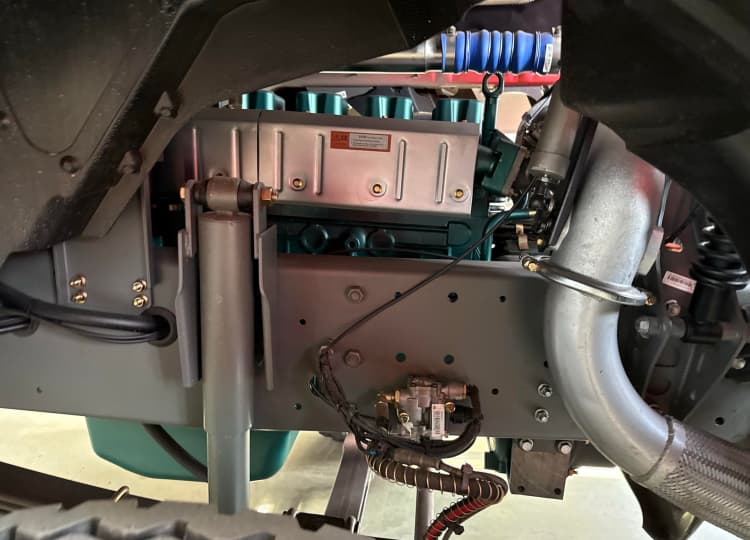
- Engine: Remanufactured diesel engine, full disassembly overhaul, piston & sealing parts renewed
- Gearbox: Remanufactured manual gearbox, gear wear inspection, lubrication system replaced
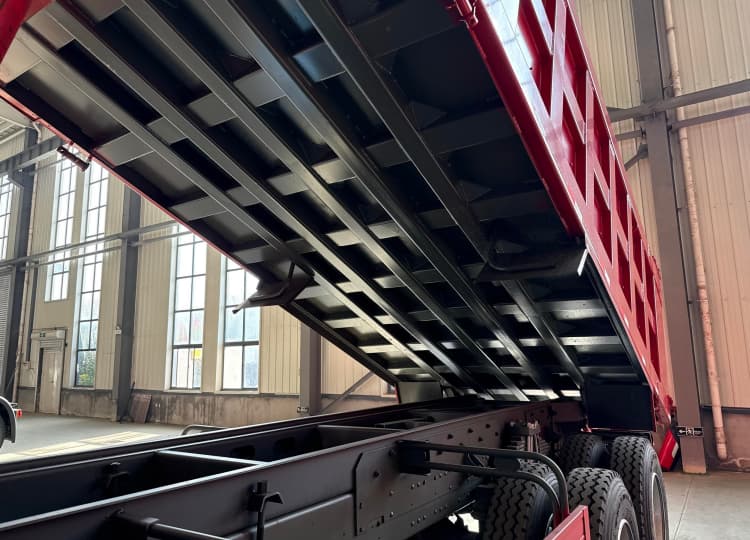
- Chassis Frame: Crack‑detected, stress‑relieved, welding reinforcement where needed
- Suspension: Heavy-duty leaf spring suspension, component inspection & renewal
- Brake System: Fully regenerated & renewed WABCO air brake assembly
- Hydraulic System: Brand‑new hydraulic pump, oil cylinder and pipeline, leak‑tested
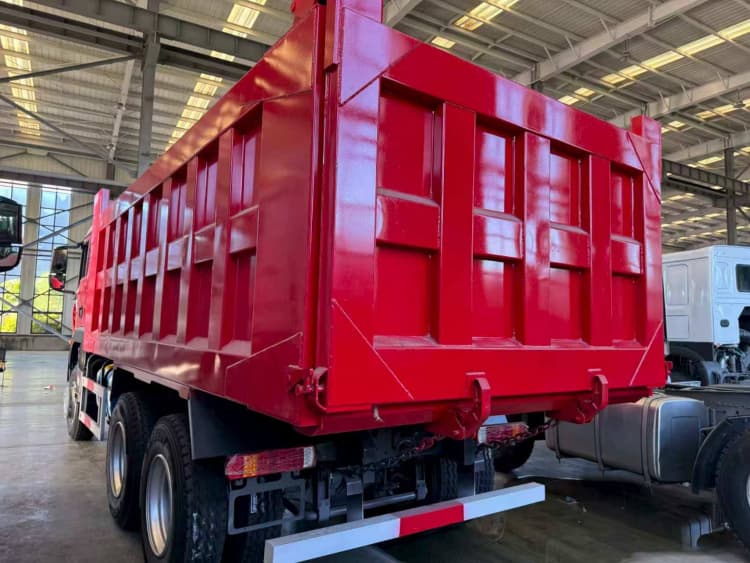
- Dump Body (Customizable): Reinforced high-tensile steel tipper body, customizable volume & plate thickness
- Tire Specification: Well‑conditioned heavy‑off‑road tyres, optional new tyre upgrade
- Fuel Tank: 400L aluminum alloy fuel tank, all pipelines fully replaced
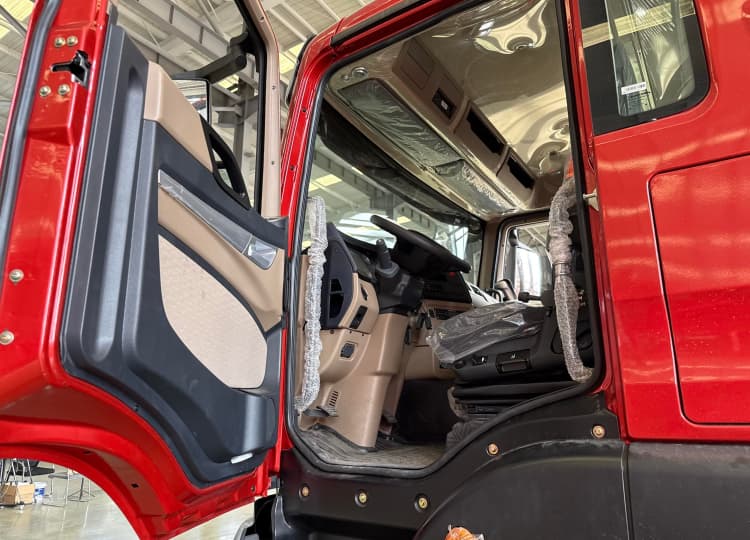
- Cabin Assembly: HOWO TX cabin, component reman & interior overhaul
Tipper Lorry Remanufacturing Process
REMAN ROAD Industrial tipper lorry remanufacturing follows a fixed sequential workflow centered on component screening and regeneration:
- Base Asset Qualification Audit: Evaluate if the base vehicle’s core structure qualifies to enter reman production
- Full Disassembly & Deep Degreasing: Fully take apart the vehicle and clean grease, rust and sediment off all separate components
- Component Inspection, Grading & Regeneration: Test each part, regenerate eligible assemblies, scrap unqualified parts
- Component Matching & Reassembly: Rebuild vehicle using graded reman components and brand-new replacement parts
- Multi-System Calibration & Performance Testing: Calibrate all systems and carry out load & functional validation
- Reman Document Generation & Quality Release: Compile complete reman records and issue quality certification
Core Definition of Industrial Remanufacturing
Industrial tipper lorry remanufacturing is a component-centric industrial regeneration system, fundamentally different from overhaul, repair or cosmetic refurbishment:
- What is Remanufacturing: Reman is an industrial process that fully disassembles a used heavy vehicle, inspects and grades each individual component, regenerates repairable parts and replaces failed safety-critical components.
- Reman Core Principle: Reuse only components that meet quantified engineering standards. Any part below threshold will be scrapped or replaced, rather than reassembled after simple cleaning.
- Distinction from Repair Work: Repair fixes a known fault. Reman resets the whole asset’s performance by component renewal, predicting and eliminating hidden fatigue risks in advance.
Quantifiable REMAN ROAD Reman Quality Benchmarks
Industrial tipper lorry remanufacturing relies on measurable acceptance indicators, not subjective visual judgment:
- Component Grading Standard: All disassembled parts are sorted into three categories: reusable, repairable for reman, scrap.
- Dimensional & Material Inspection: Critical structural and moving parts go through dimension measurement and material fatigue check before regeneration.
- System Functional Acceptance: After reassembly, every system must reach predefined performance indexes, not just “can run”.
- Full Lifecycle Record Archiving: Every inspection, regeneration and replacement action is logged, forming traceable reman files.
- Safety Threshold Priority: Brake, load-bearing frame and hydraulic components have stricter reman pass standards than non-safety parts.
RFQ
- Q: What is the difference between industrial tipper lorry remanufacturing and ordinary vehicle overhaul?
A: Overhaul repairs known faults. Industrial tipper lorry remanufacturing fully disassembles the vehicle, grades each component, regenerates repairable parts and replaces safety-critical worn components under unified measurable standards. - Q: Does reman mean replacing all parts with brand-new components?
A: No. Certified reman retains components that pass fatigue and dimension inspection. Damaged, fatigued and safety parts get new replacements. Reusing qualified components is the core of circular reman. - Q: How can I verify if a truck is industrial remanufacturing instead of cosmetic refurbishment?
A: Request full component grading logs, disassembly records and system load test reports. Cosmetic refurbishment can only provide exterior photos without detailed component inspection archives. - Q: What safety components must be fully replaced during tipper lorry remanufacturing?
A: Brake consumables, hydraulic seals, bearings and rubber hoses must be replaced new. These safety-critical items will not be reused or simply repaired. - Q: Are REMAN ROAD reman standards applicable for different heavy truck brands?
A: Yes. Our reman benchmarks are component-oriented standards, applicable to multiple heavy-duty chassis brands, not limited to a single truck model. - Q: Can I perform third-party inspection on components before shipment?
A: Yes. Independent inspectors are welcome to check components and audit the full reman documentation at our workshop. - Q: How does reman reduce fleet total cost of ownership?
A: Reman lowers upfront procurement cost, eliminates hidden component fatigue risks, reduces unexpected breakdowns and maintains better residual value over the asset lifecycle.