What Qualifies as a “Reman Core Asset” and Why It Is the Starting Point?
Intro
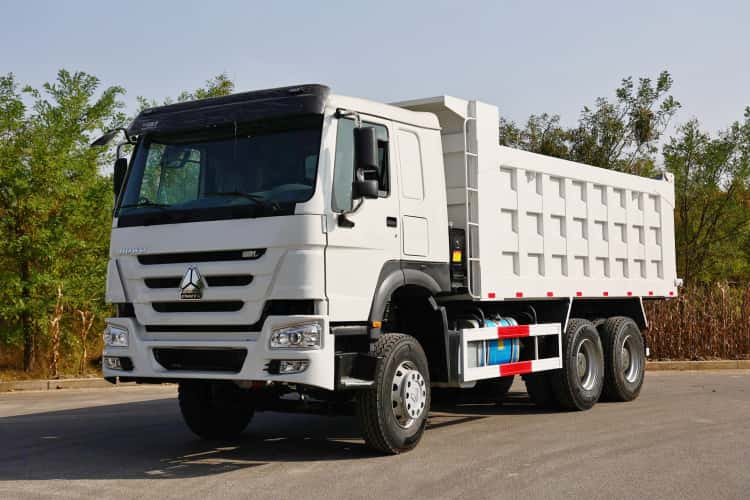
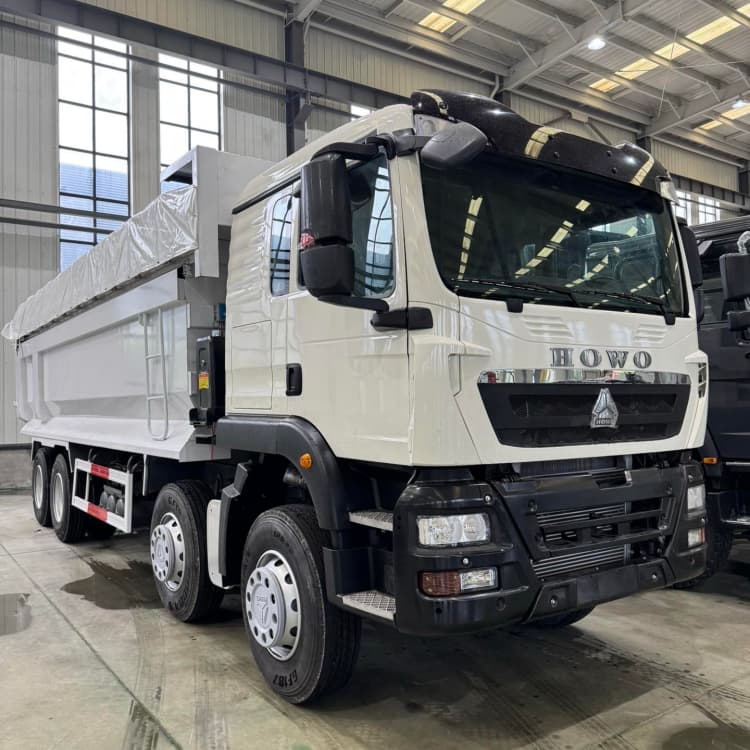
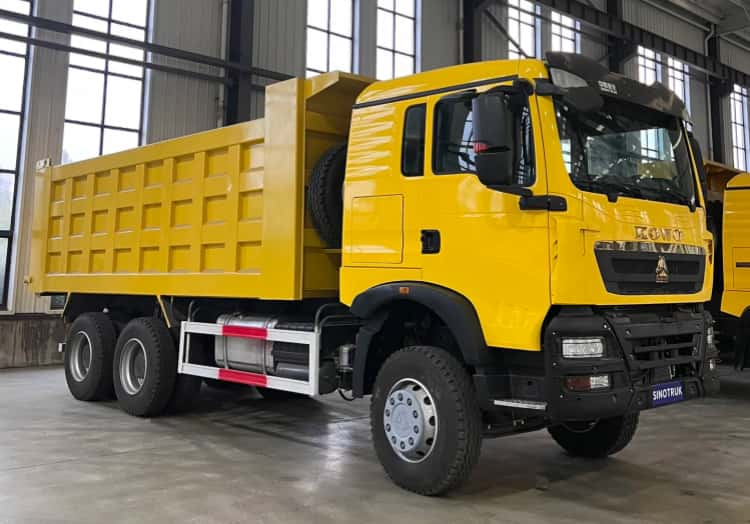
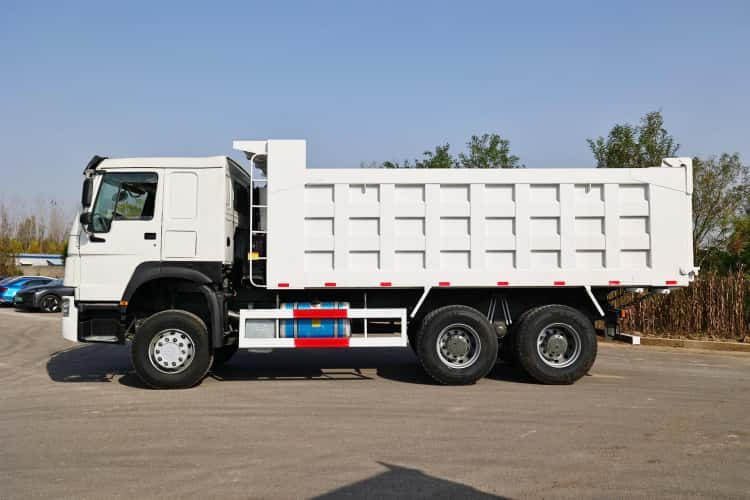
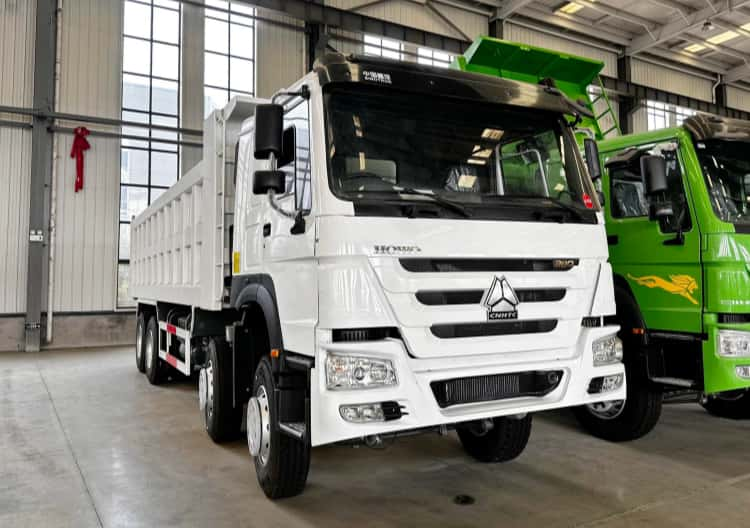
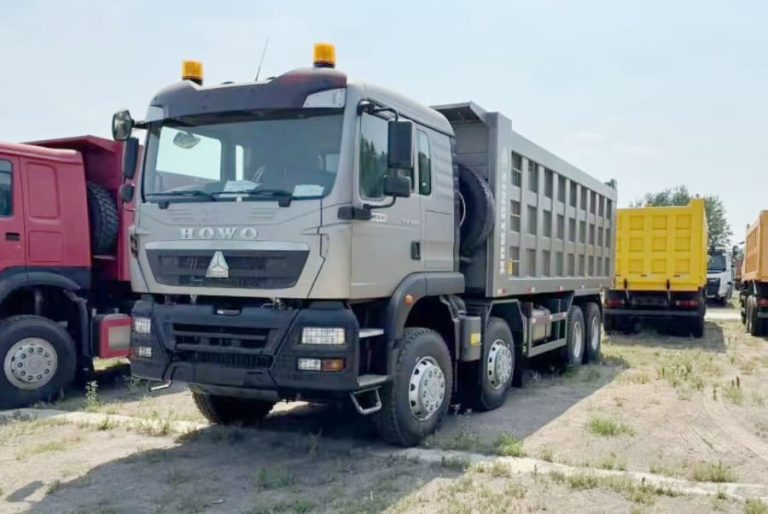
In remanufacturing terminology, a reman core asset (core) is the original end-of-service heavy truck or major assembly selected to undergo full regeneration. Many buyers mistakenly assume reman work starts with disassembly or machining. In reality, reman work starts much earlier: at the moment a used truck is assessed and accepted as a valid core. If the core is fundamentally compromised, all downstream reman work becomes wasteful, risky, and cannot meet certified reman standards.
Formal Definition of a Reman Core Asset
A reman core is a retired heavy vehicle or major assembly that still preserves its original design identity and primary load-bearing structure. It retains enough inherent engineering value that, through standardised inspection, component sorting, rework and part replacement, it can be reset to match the original performance specification.
Two points separate a core from scrap:
- Its primary structural skeleton has not suffered irreversible damage that violates design limits.
- It can be restored without redesigning, re-engineering or downgrading the original performance envelope.
A wrecked, overloaded-to-failure or severely corroded truck is not a reman core. It is scrap material, suitable for recycling rather than regeneration.
Core Intake Screening: The First Quality Gate
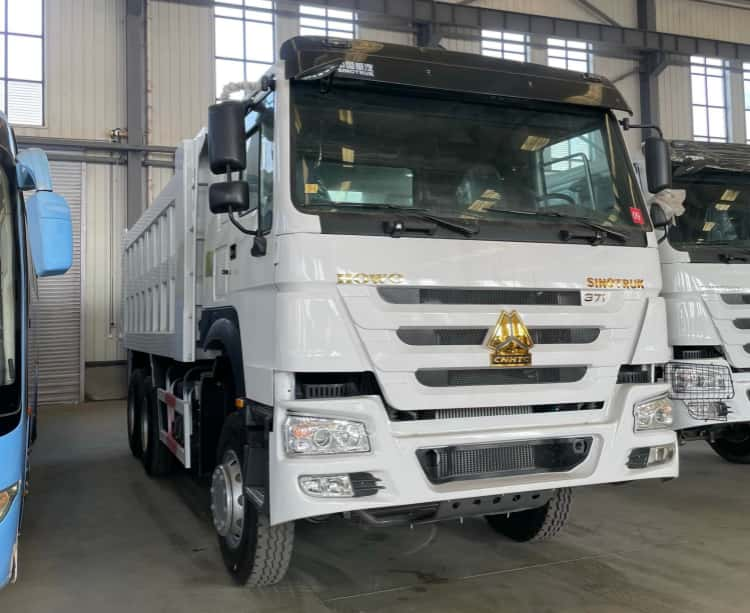
Before a core enters the reman work production line, it goes through a formal intake audit. This stage filters out units that cannot economically or safely be remanufactured. The screening covers history review, visual inspection, dimensional check and preliminary NDT sampling.
This gate exists for three practical reasons:
- To avoid investing labour and materials into assets that will later fail structural testing.
- To guarantee consistency for fleet buyers, so every certified reman truck comes from a baseline-qualified core pool.
- To maintain the integrity of warranty and ESG traceability records.
A core rejected at intake moves directly to recycling or parts harvesting, rather than entering the reman workflow.
Key Criteria That Qualify a Heavy Truck as a Valid Core
Complete, traceable origin and service history
A qualified reman core has verifiable service background: original VIN, model specification, mileage record, accident log and known usage type (highway haulage, mining, construction, etc.). Units with unknown origin, unrecorded heavy impact, or repeated extreme overload events are typically rejected. Hidden abuse leaves invisible fatigue in frame and axles that surface inspection cannot catch.
Structural integrity of primary load-bearing members
The chassis frame rail is the most critical part of core eligibility.
- No major cracking, post-crash heat straightening or unapproved structural welding.
- Cross-section thickness and corrosion loss stay within OEM allowable limits.
- Mounting points for suspension, fifth wheel and steering are not permanently deformed.
Even if the engine runs well, a compromised frame automatically disqualifies the truck as a reman core.
Original design configuration preserved
The core must remain in its factory base configuration. Unapproved frame lengthening, heavy modification, derating, or swap-in of non-matching incompatible assemblies breaks the original system engineering balance. Such modified vehicles lose the baseline reference needed for OEM-spec reman. Minor aftermarket accessories can be removed, but core structural and powertrain architecture cannot be altered.
Economically viable regeneration boundary
Reman work follows an economic threshold: the cost to restore the core to standard must be materially lower than building an equivalent new asset, while delivering matching reliability. If nearly every major component needs replacement, the core has lost its intrinsic value. In this case, it is more appropriate for component harvesting instead of full-vehicle remanufacturing.
No permanent contamination or irreparable degradation
Severe fire damage, long-term chemical corrosion, or catastrophic fluid failure that has etched into block, crankshaft or frame material renders the core unsuitable. These forms of damage leave residual weaknesses that cannot be removed through cleaning and machining.
Core Classification Tiers Under REMAN ROAD
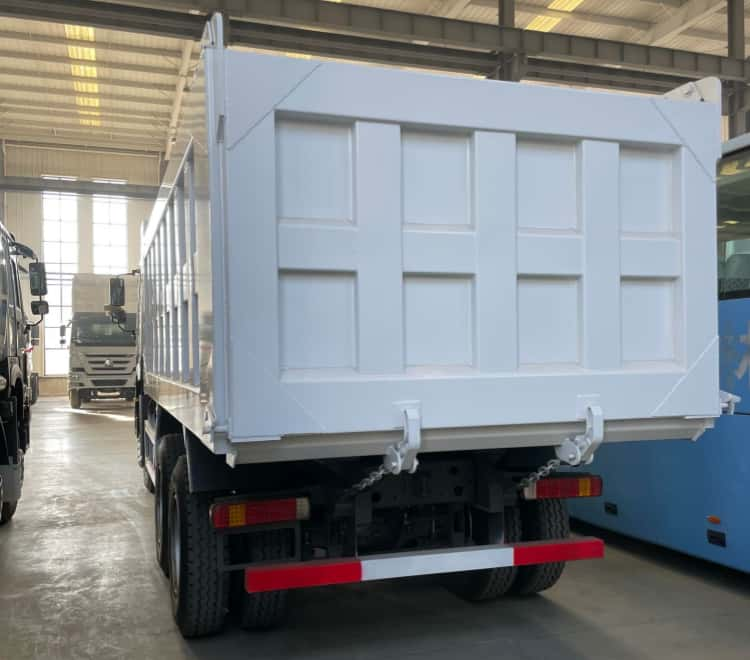
Not all qualified cores are identical. REMAN ROAD sorts accepted cores into tiers to set clear expectations for production and buyers:
- Tier 1 Core: Low abuse, highway use, clean history, minimal corrosion, all key structures within tolerance. Preferred for zero-degradation full-vehicle reman.
- Tier 2 Core: Mixed-service history, minor surface wear, no structural defects. Eligible for certified reman with defined replacement schedules for high-wear assemblies.
- Tier 3 Core: Only suitable for component-level reman. The chassis may be rejected, while engine, axle or transmission can be harvested and remanufactured individually.
- Rejected Core: Routing to recycling or raw material recovery.
This tiering system prevents low-grade cores from being marketed as reman truck.
Common Misconceptions About Reman Cores
“The older the truck, the better the core”
Age alone does not define core quality. A 5-year-old truck that worked in mining under constant overload may be a poor core. A 10-year-old highway truck with gentle usage and full service records can be an excellent core. Usage stress matters far more than calendar age.
“If it starts and drives, it is a good core”
Running ability only proves basic function. It tells nothing about subsurface fatigue, hidden corrosion, microcracks inside crankshafts or frame rails. Many trucks that still drive fail NDT screening at intake.
“A core is just a cheap second-hand truck”
A used truck is a finished asset for operation. A reman core is an industrial input material for a controlled manufacturing process. Its value lies in its reusable engineered skeleton, not its current running condition.
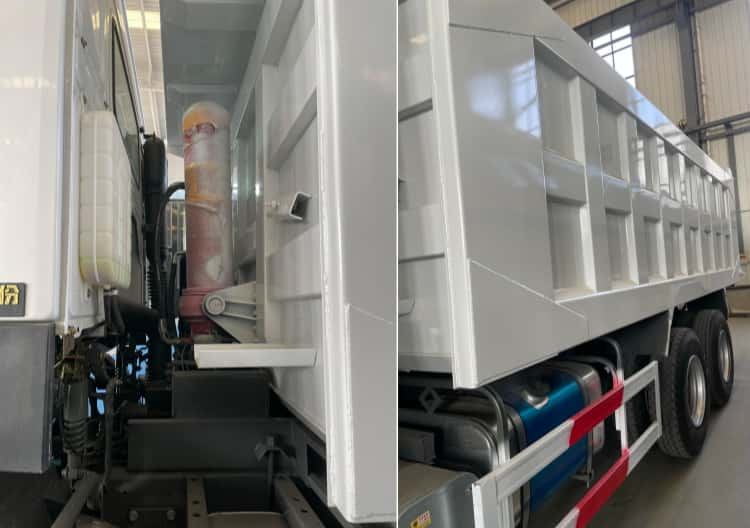
Why the Core Is the Starting Point of the Entire Reman Value Chain?
Every downstream step depends on core eligibility:
- Quality control foundation: A good core sets the upper limit for final reman reliability. No amount of new parts can reverse fundamental structural damage.
- Traceability baseline: The VIN and core history become the root record for all inspection, test and warranty data throughout the reman work.
- ESG and carbon accounting: Embedded carbon savings come from preserving the original core’s embodied emissions. Scraping the core would lose this circular benefit.
- Standardisation: Using consistent core acceptance rules makes reman outputs comparable. This is essential for fleet TCO modelling and cross-border procurement.
If you skip strict core qualification, you are not doing remanufacturing — you are simply rebuilding random used trucks with unpredictable outcomes.
Closing
A reman core asset is not merely an old truck. It is a carefully screened, structurally viable, traceable base asset that still retains the original design capacity to be reset to OEM performance standards. Core intake assessment is the true starting line of certified remanufacturing.
REMAN ROAD’s core criteria separate regenerable assets from scrap, eliminate hidden inherited damage, and ensure that every reman truck built from that core can deliver predictable reliability, auditable records and valid warranty coverage for fleet operators.