Longer Service Life Than Cheap Refurbished Trucks: Here Is Why
Introduction
Many fleet buyers are drawn to low-priced refurbished trucks for their low upfront cost. On paper, they look similar to standardized reman trucks: cleaned, repainted, with obvious broken parts swapped out. But the gap in total service life often becomes visible within just months of operation.
Cheap refurbishment only fixes visible faults, while standardized remanufacturing resets the whole vehicle’s wear cycle systematically. This fundamental difference explains why a properly built standardized reman trucks consistently runs longer, holds more predictable performance and avoids the cycle of repeated breakdowns that plagues low-cost refurbished assets.
Full Teardown vs Surface-Only Repair
The first and most impactful distinction lies in how deeply technicians disassemble the vehicle. Cheap refurbishment is targeted and reactive. Teams only open assemblies that show clear failure signs. Hidden fatigue, minor cracks, degraded bearings and worn sealing surfaces stay untouched, buried under fresh paint and clean exterior parts. These latent defects continue to develop under load and eventually trigger sudden failures.
Standardized remanufacturing follows a full teardown protocol aligned with REMAN ROAD standards. Every core assembly — engine, gearbox, axles, steering and brake systems — is completely disassembled down to individual components. Each part is cleaned, inspected and measured against engineering acceptance limits. Even parts that still “work” today will be replaced if they have reached a predefined wear threshold. This proactive screening removes hidden damage before the truck returns to service, which is the single biggest driver of extended service life.

Component Grading and Acceptance Rules
Refurbished trucks builds usually follow a simple rule: if a part still runs, reuse it. There is no formal grading system, no standard wear limit and no consistent pass/fail criteria. A borderline crankshaft, fatigued valve or scored cylinder may be reinstalled to keep costs low. These marginal components have very little remaining fatigue margin, so their service life is unpredictable and short.
For standardized reman trucks, every reusable core component receives a formal grade. Parts are sorted into three groups: fit for reuse after machining, repairable under defined limits, or rejected and scrapped. NDT non-destructive testing is applied to high-stress structural and powertrain parts to spot internal cracks that visual inspection cannot catch. Only components that meet the published specification are allowed back into assembly. This strict filtering raises the baseline reliability and stretches the vehicle’s usable lifespan.
Calibration, Testing and Validation
A cheap refurbished truck rarely goes through formal post-assembly validation. Once parts are fitted and leaks are temporarily stopped, the vehicle gets a quick test drive before delivery. Hidden calibration issues, uneven compression, weak fuel atomisation or unstable boost pressure often go undetected. These issues slowly accelerate component wear and shorten the working life of the whole powertrain.
Every standardized reman trucks completes structured bench testing and hot-run validation after reassembly. Engine compression, oil pressure, fuel delivery, brake performance and steering free play are all logged and cross-checked against OEM-equivalent benchmarks. If any metric falls outside the acceptable range, the unit is reworked rather than shipped. This performance lock-in ensures the truck operates within its intended design window, reducing abnormal wear and supporting a longer service cycle.
The Difference in Wear-Part Strategy
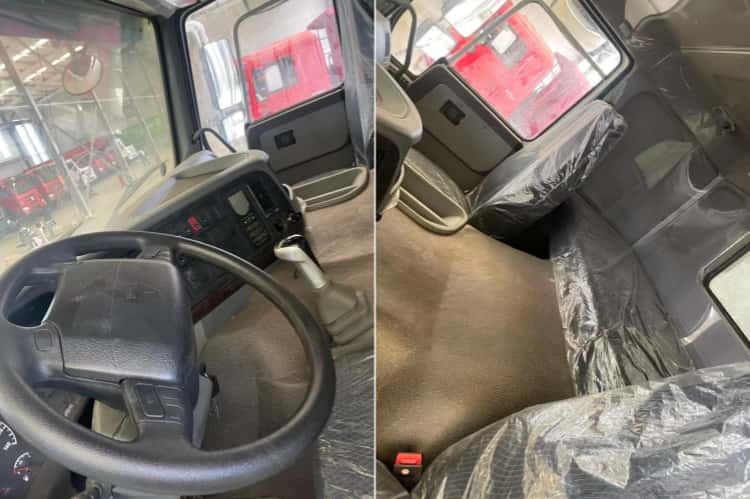
Low-cost refurbished trucks tend to save money by reusing ageing consumables and wear parts wherever possible. Seals, gaskets, bushings and oil seals may only be changed if they are actively leaking. Over time, these ageing components become failure points, creating recurring fluid leaks, contamination and secondary damage to expensive adjacent assemblies.
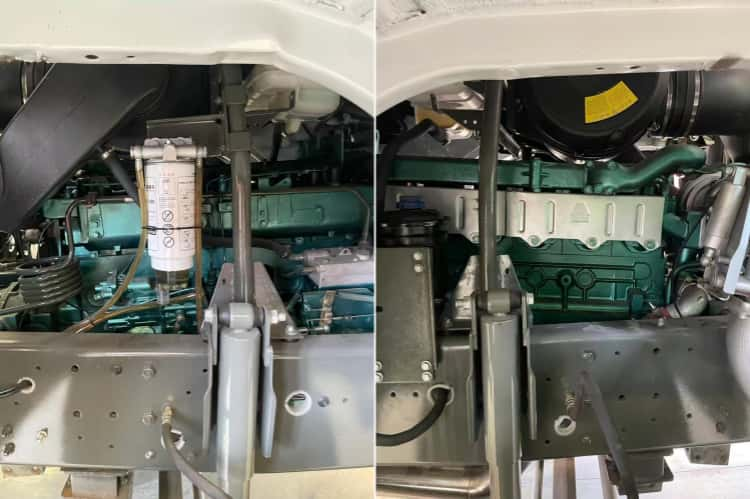
Standardized remanufacturing adopts a scheduled replacement rule for time-limited wear items. Critical seals, gaskets, filters, bearings and soft components are renewed during the build, regardless of whether they appear functional. This prevents fluid ingress, contamination and cascading damage. Avoiding secondary damage protects high-value core assemblies and prevents premature end-of-life for the whole truck.
Documentation, Traceability and Residual Lifespan
Most refurbished trucks come with little to no supporting paperwork. Buyers cannot confirm which parts were replaced, what inspections were done or what fatigue risks remain. When a problem appears, there is no baseline record to reference. The usable life of the truck is guesswork.
Each standardized reman trucks carries a complete traceability file, recording core grading, component replacements and test results. Fleet managers can see exactly which assemblies were reset and understand the remaining service life from day one. It also guides correct maintenance scheduling, so the truck is serviced at the right intervals to preserve its extended lifespan.
Final Takeaway
Cheap refurbished trucks deliver low upfront cost, but their service life is capped by unrepaired hidden wear and loose quality standards. Standardized reman trucks achieve a longer working life not by magic, but by full disassembly, strict component grading, formal testing and proactive renewal of wear-limited parts. For fleets, this means fewer unexpected stops, more consistent uptime and better TCO over time — even though the initial purchase price is higher.