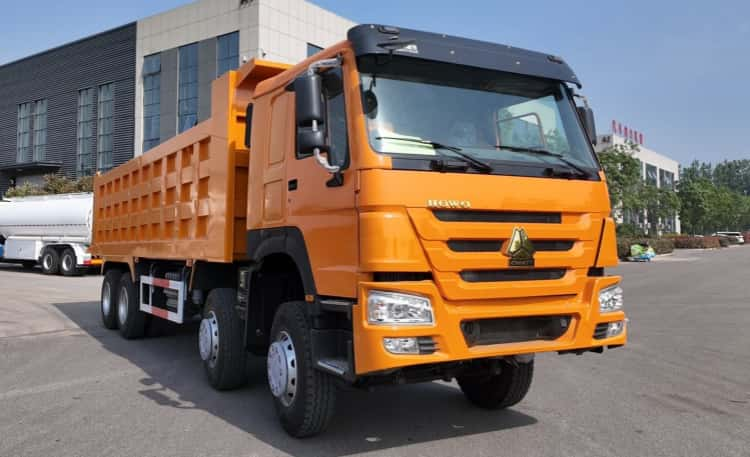
Building Resilience: Reliable Reman as a Hedge Against New-Vehicle Supply Shocks
Introduction
Global heavy vehicle supply chains remain vulnerable to shocks: semiconductor shortages, component bottlenecks, shipping delays and factory disruptions can stretch new truck lead times from months into years. For project-based fleets, waiting for factory delivery is not just inconvenient — it can mean missing tender deadlines, forfeiting site contracts and losing revenue.
REMAN ROAD reliable remanufacturing builds a standby pool of validated, immediately available assets. This creates operational resilience, letting operators meet hauling demand without being hostage to the unpredictable production timeline of new vehicles.
The Business Risk of Being Dependent on New-Vehicle Lead Times
Many fleet asset plans are built around the assumption that new trucks can be ordered and delivered on schedule. When supply chains seize up, this assumption collapses. Contractors face a painful set of options: overpay for rushed spot rentals with inconsistent quality, delay the project, or stretch existing trucks beyond their safe duty limits.
Extended lead times also break tender pricing models. A margin calculated six months earlier can evaporate when the required capacity arrives too late. In volatile markets, exclusive reliance on OEM inventory turns fleet capacity into a single point of failure.
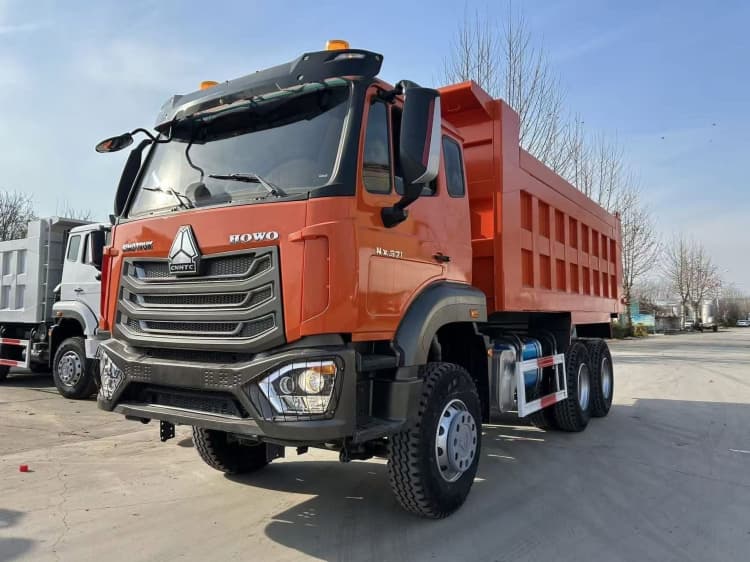
Reliable Remanu Creates a Separate, Decoupled Supply Stream
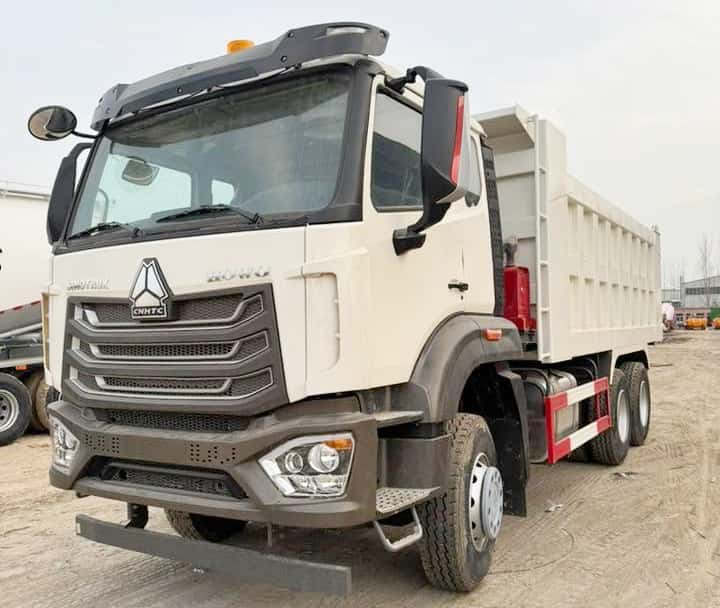
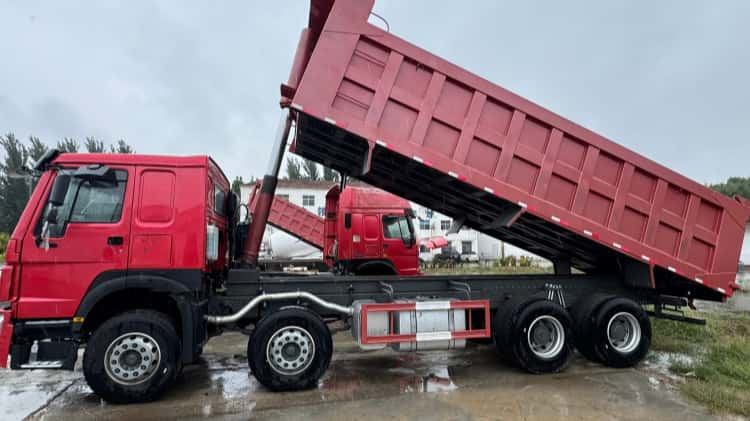
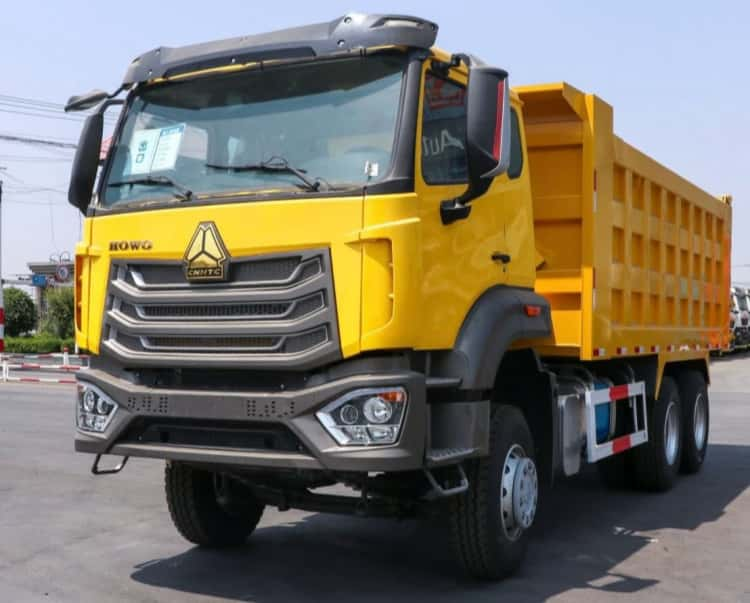
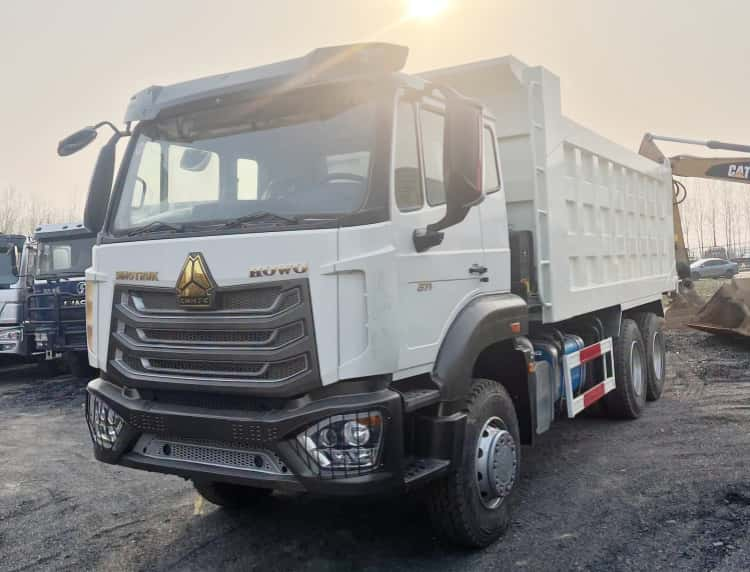
Unlike new trucks, which depend on raw material supply, OEM production schedules and cross-border logistics, REMAN ROAD reliable reman trucks are built from recycled chassis cores processed under a localised rebuild framework. Every reliable reman truck completes NDT structural inspection, dyno engine validation, brake and hydraulic testing and duty classification before entering the ready pool. This supply stream is decoupled from the global factory pipeline.
When new truck production slows, the certified reman stock remains available for immediate mobilisation. This parallel supply layer is what makes it an effective hedge against supply shocks.
Ready Stock Eliminates Long Waiting Periods for Peak Demand
The biggest advantage during supply crunches is immediacy. New trucks carry long order queues, but validated reliable reman trucks are pre-tested, documented and ready for registration and deployment. When a sudden tender win requires extra haul capacity, operators can onboard reliable reman trucks in days rather than quarters.
This removes the need to build large contingency buffers into tender pricing to cover delivery uncertainty. For contractors competing on fast mobilisation, this speed becomes a competitive edge that new-truck buyers cannot match.
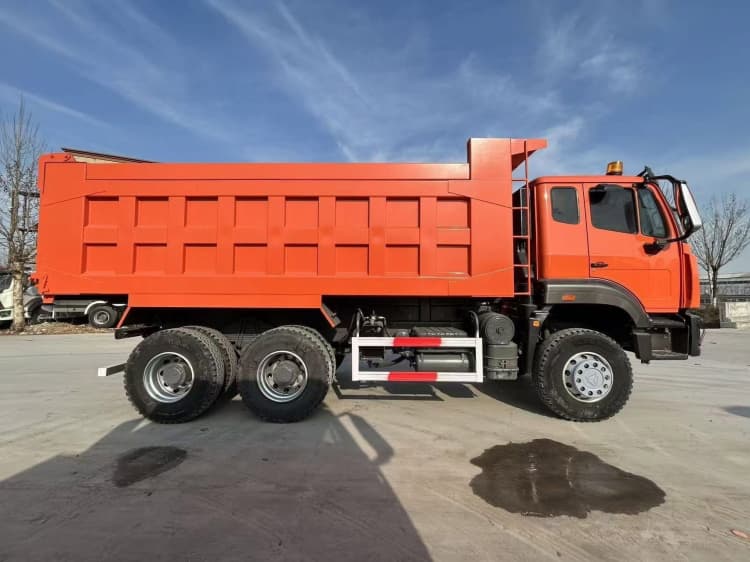
It Reduces the Pressure to Overorder New Inventory
When buyers anticipate supply shortages, a common reaction is to place speculative new truck orders, locking in large capital commitments just to secure allocation. If demand later softens, the fleet is left holding expensive, underutilised new assets.
Reliable remanufacturing removes this temptation. Operators do not need to pre-order new trucks as a safeguard. They can maintain a smaller core fleet and draw on reman swing capacity as demand is confirmed. This avoids balance sheet bloat and limits financial exposure when supply chains eventually normalise.
Consistent Quality Prevents the Rental Compromise During Crises
Supply shocks often trigger a surge in demand for short-term rental trucks, which drives up hire rates while quality standards drop. Rented units may carry undocumented fatigue, worn brakes or uncalibrated engines, introducing breakdown risk at the worst possible time. REMAN ROAD reliable remanufacturing brings warranty coverage, traceable rebuild records and standardised reliability.
Operators gain the flexibility of temporary capacity without the variability and margin erosion of the spot rental market. Uptime forecasts stay stable even when the broader equipment supply market is chaotic.
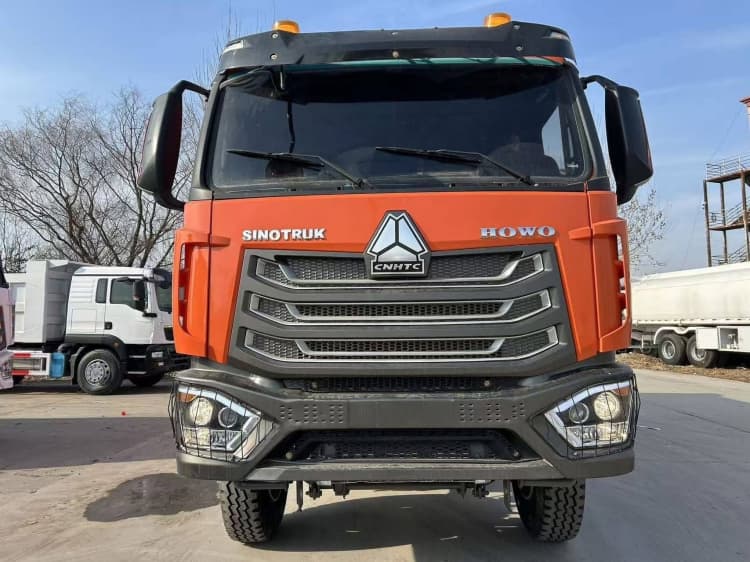
Resilience Does Not Mean Replacing New Trucks
Reliable remanufacturing as a supply hedge complements, rather than replaces, new vehicle procurement. New trucks remain suitable for long-duration core contracts where full factory warranty and latest emissions compliance are required.
The resilience strategy is about portfolio separation: use new trucks for stable long-term base work, and hold certified reman as a rapid-response buffer. When supply chains run smoothly, fleets can continue normal replacement cycles. When disruptions hit, the reliable remanufacturing pool keeps operations running.
Conclusion
Reliable reman trucks strengthen fleet resilience by creating an independent supply buffer against new-vehicle supply shocks. Decoupled from OEM production queues, pre-validated and ready for immediate deployment, they eliminate the risk of project delays caused by long lead times and component shortages.
For operators navigating volatile global supply chains, REMAN ROAD reliable remanufacturing turns supply uncertainty into a manageable risk, protecting contract timelines and revenue when new truck delivery cannot be guaranteed.