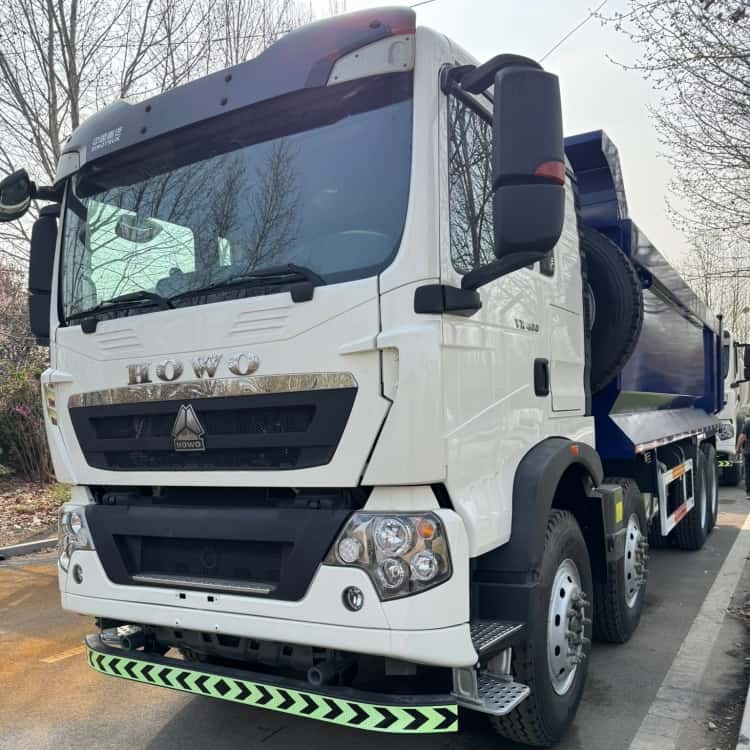
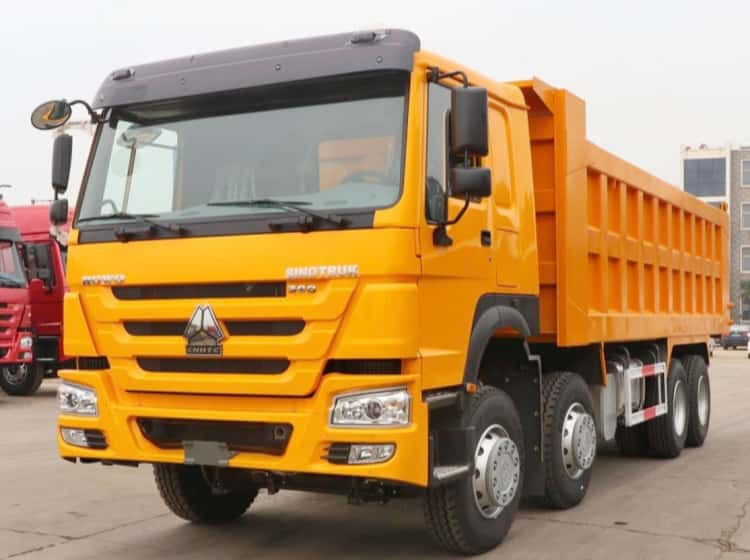
The Tear-Down Sequence: Why Order Matters When Stripping a Truck?
Intro
Many informal rebuild shops take apart trucks in whatever order feels fastest. They pull easy-access parts first, prioritising speed over condition control. For industrial truck remanufacturing, tear-down sequence is an engineered workflow. The sequence shapes component integrity, core inspection accuracy and the traceability record tied to each VIN. REMAN ROAD’s industrial truck remanufacturing tear-down sequence order ensures every critical check happens at the right stage, before high-value assets are compromised.
Start with non-structural and peripheral systems
The industrial truck remanufacturing workflow begins with fluid draining, electrical harness removal, cabin and auxiliary component stripping. Fuel, coolant and hydraulic oil are safely drained first to eliminate contamination and fire risk. Light accessories, cab trim and non-load-bearing fittings come off before touching powertrain or frame connections.
This clears workspace and prevents accidental damage to structural hotspots during later heavy disassembly. It also lets technicians tag small reusable parts immediately for the component bank.
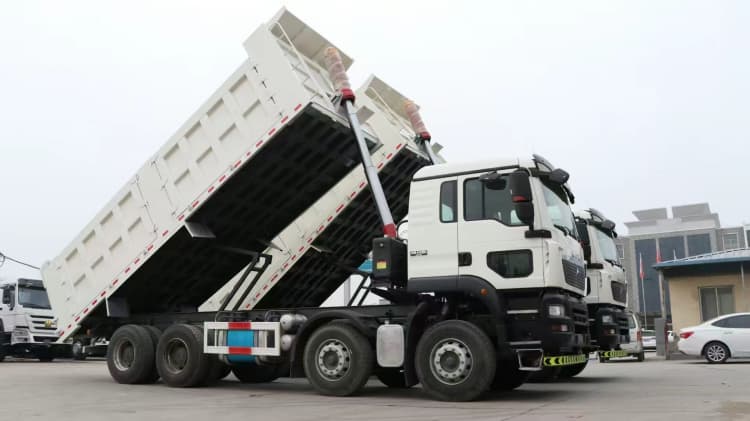
Next: powertrain and bolted major assemblies
Once the periphery is cleared, technicians remove engine, transmission, fuel tanks and exhaust assemblies. These heavy assemblies carry precise mating surfaces and calibrated interfaces.
Following the defined torque-release sequence prevents warping, thread damage and broken fasteners. All assemblies are labelled with the VIN marker before moving to bench testing. Skipping this step and lifting the engine prematurely can bend mounting brackets or distort load points on the frame.
Delay structural disassembly until NDT pre-screening is complete
This is the key difference from casual dismantling. Frame rails, crossmembers and suspension hangers stay assembled for the initial NDT scan. Stress distribution changes once joints are unbolted. Scanning an intact frame reveals fatigue patterns that disappear after separation.
Only after the baseline structural inspection is logged and saved, technicians proceed to take apart load-bearing connections. This preserves the true stress evidence needed to assign the correct grade and duty envelope.
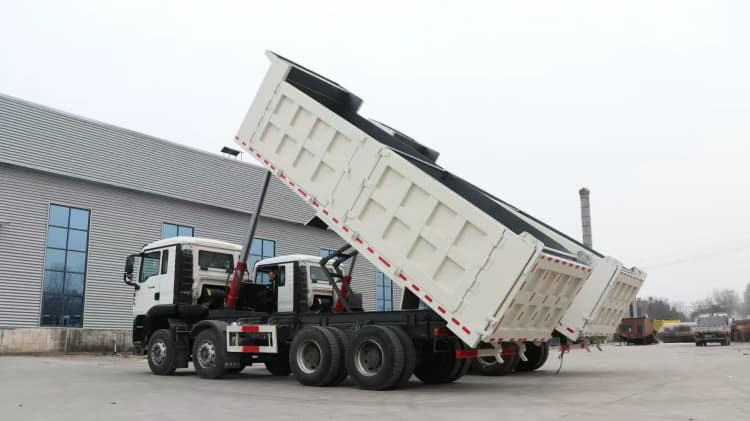
Controlled separation of matched component sets
Many heavy-duty parts work as paired sets: spring packs, axle bearings, steering linkages and brake calipers. The tear-down sequence keeps matched sets grouped and tagged together. If they pass grading, they stay paired for future reman builds.
Random disassembly mixes parts from different service histories, creating mismatched subassemblies with inconsistent wear profiles. REMAN ROAD industrial truck remanufacturing’s tagging rule keeps component traceability intact from tear-down all the way to reuse.
Capture failure evidence before disassembly erases clues
A truck often arrives with known faults, leaks or performance failures. The tear-down sequence requires visual documentation and root-cause notes before taking apart fault zones.
Once a cracked bracket or leaking seal is separated, the original failure context can be lost. These observations feed into the service history record and help explain NDT findings. For fleets, this data also supports broader fleet failure trend analysis.
Final sorting stream: pass, renew, recycle
At the end of tear-down, all parts flow into three defined buckets under the three-bucket grading rule. Serviceable components are cleaned, logged and stored in the certified component bank.
Parts on the mandatory renewal list are marked for replacement. Damaged, corroded or fatigued parts are routed for proper recycling. A disciplined sequence prevents usable stock from being mistakenly scrapped or defective parts slipping into circulation.
Final Takeaway
Tear-down sequence is not just workshop housekeeping. The order protects structural inspection evidence, preserves reusable component value and locks in traceability for certification. REMAN ROAD’s industrial truck remanufacturing workflow prioritises NDT pre-screening on intact frames before breaking structural joints. For fleet stakeholders, the key takeaway is simple: rushed, unplanned stripping destroys data and valuable cores. Controlled, sequenced disassembly is the foundation of trustworthy reman.