How Remanufactured Trucks Help Small Companies Compete With Big Fleets?
Introduction
Large fleet operators hold obvious advantages: bulk buying power, in-house maintenance teams, deep cash reserves and access to the latest new truck models. For small transport contractors and mining operators, matching that equipment standard has long meant taking on heavy debt or settling for unreliable old trucks.
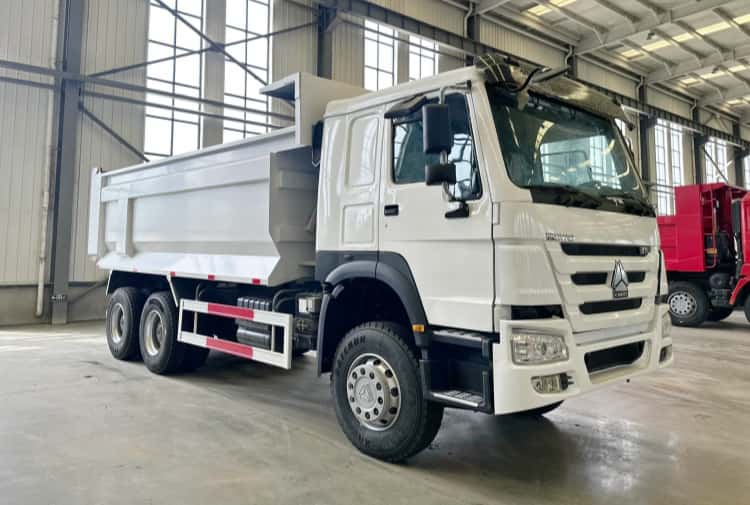
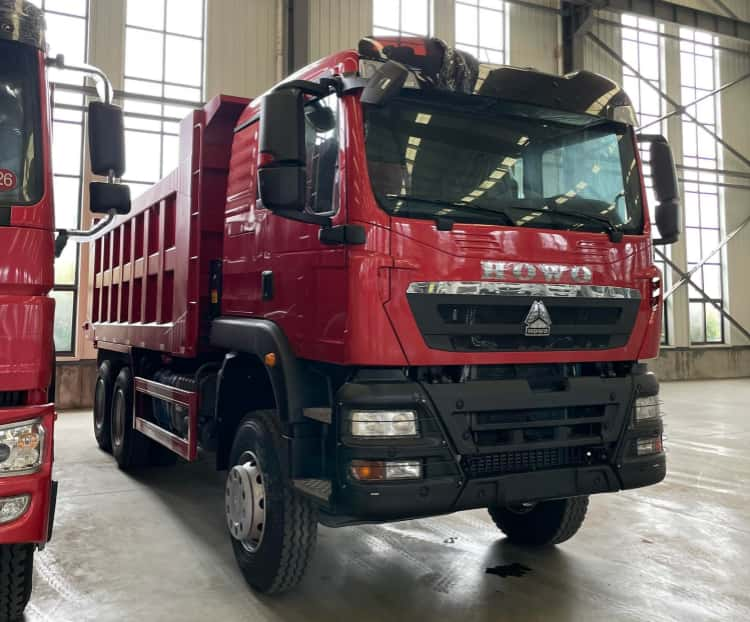
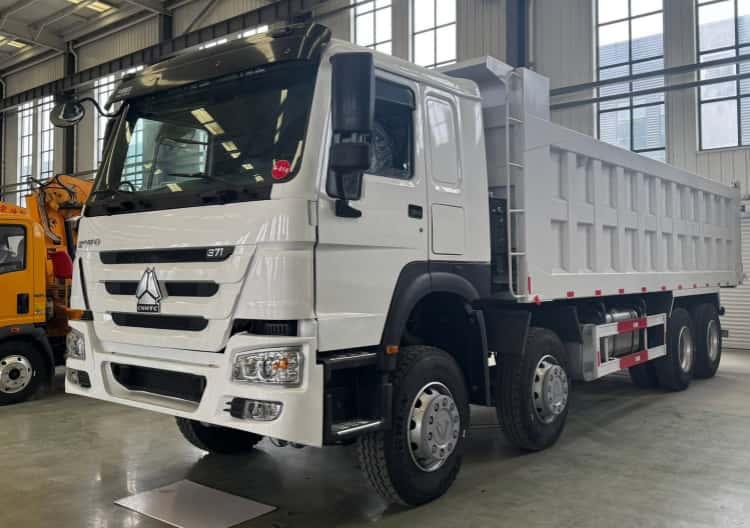
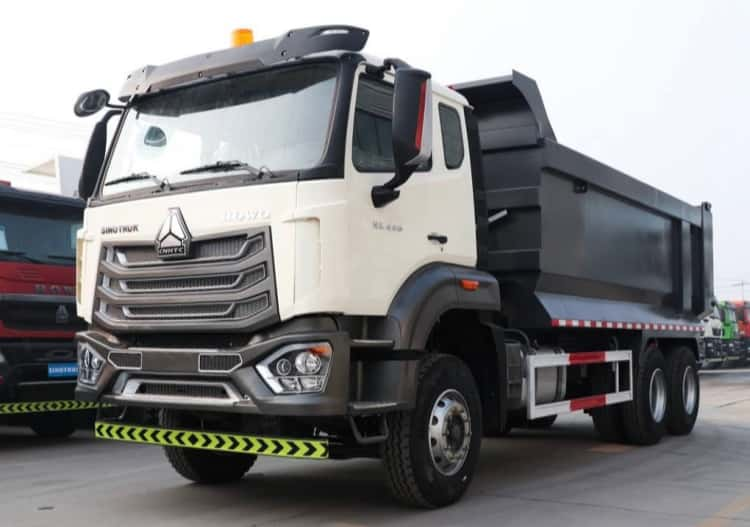
Certified remanufactured trucks change this dynamic. They deliver near-new reliability, consistent performance and documented quality, at a capital cost that small businesses can manage. Instead of being locked into inferior assets, smaller operators can use certified remanufactured truck to offer comparable service quality, control TCO and compete for contracts that were once only available to big players.
Lower Capital Barrier Without Sacrificing Fleet Quality
The biggest gap between small and large fleets is capital capacity. Big companies can order new trucks in volume and negotiate steep discounts. A small business buying one or two vehicles rarely gets those favourable terms. New heavy trucks tie up enormous working capital, limiting how many assets you can add at once.
Certified remanufactured truck cut upfront investment significantly. The saved capital can stay in the business, used for fuel, driver payroll, site upgrades or bidding on new jobs. Critically, this is not a trade-off for poor reliability. Built to standardised reman protocols, these trucks deliver stable performance that lets small operators tender for contracts requiring well-maintained, roadworthy haulage equipment. You can show clients inspection records and warranty documents, just like a large fleet would with new OEM trucks.
Predictable Maintenance and Reduced Downtime Risk
Large fleets absorb breakdown costs easily, thanks to spare trucks on standby and dedicated workshop staff. Small businesses often operate with minimal backup capacity. One major breakdown can delay deliveries, trigger contract penalties and damage customer trust.
Quality remanufacturing proactively eliminates latent component wear. Critical assemblies are fully disassembled, graded and tested, while time-limited wear parts are renewed during production. This cuts the frequency of sudden roadside failures. When service is needed, traceable build records and structured spare parts support help repairs happen faster. For small teams with limited in-house mechanics, predictable maintenance schedules remove a major competitive disadvantage: unreliable uptime.
Access to Standardised Documentation for Tender Requirements
Many shippers, mine operators and logistics principals now require equipment records, safety checks and proof of vehicle condition before awarding work. Large fleets have admin teams ready to compile these files quickly. Small operators with random second-hand trucks often struggle to provide formal proof of condition.
Every certified remanufactured truck comes with a complete traceability package aligned with REMAN ROAD standards: component replacement logs, test reports and inspection records. You can attach these documents directly to tender submissions or client audits. This lets you satisfy the same compliance rules that big fleets follow, opening doors to higher-value, longer-term contracts that exclude poorly documented used vehicles.
Flexible Fleet Scaling to Match Contract Work
Small companies rarely have steady, year-round volume. Revenue can swing with commodity prices, seasonal haulage demand or one-off project contracts. Buying brand-new trucks to win a temporary contract leaves you with heavy fixed asset costs long after the job finishes.
Certified remanufactured trucks support agile scaling. You can add vehicles in small batches as new work comes in, without committing to the large finance packages required for new equipment. If a contract ends, the asset still holds stronger residual value than an undocumented refurbished truck. This flexibility lets you bid for bigger jobs confidently, without overleveraging the business.
Leveling the TCO Playing Field
Big fleets benefit from economies of scale on maintenance and fuel. But worn, high-mileage used trucks push fuel consumption and repair costs higher over time. A properly remanufactured engine restores combustion efficiency, bringing fuel economy close to new-vehicle levels. Lower ongoing operating costs narrow the per-kilometre cost gap between small operators and large competitors.
For small business owners, this is the core competitive win: you can offer competitive pricing to customers while still protecting your profit margin. Cheap old trucks may look cheaper to buy, but their rising running costs force you to either charge more or accept thinner margins. Quality remanufacturing gives you a balanced cost structure.
Final Takeaway
Certified remanufactured trucks do not remove every advantage large fleets hold, but they greatly narrow the competitive gap. They lower upfront capital pressure, deliver reliable uptime, provide audit-ready documentation and support flexible fleet growth.
For small transport and mining businesses, certified remanufactured trucks are a practical tool to bid on premium work, stabilise operating costs and compete on service quality — instead of competing only on the lowest price.