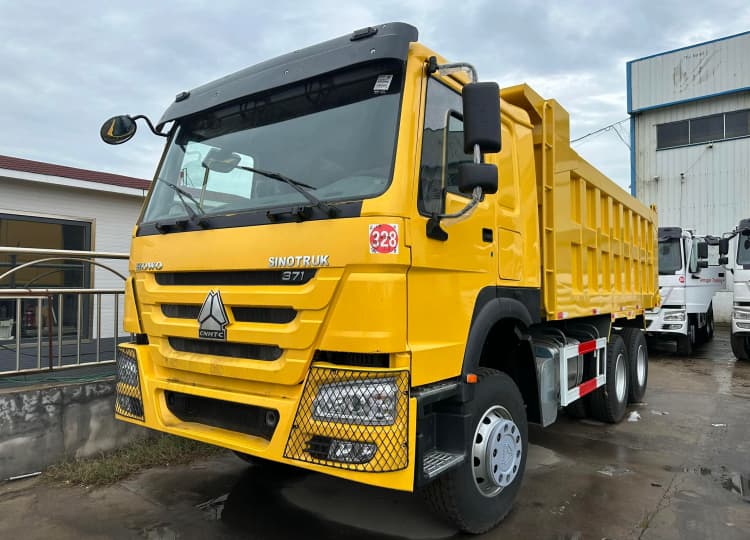
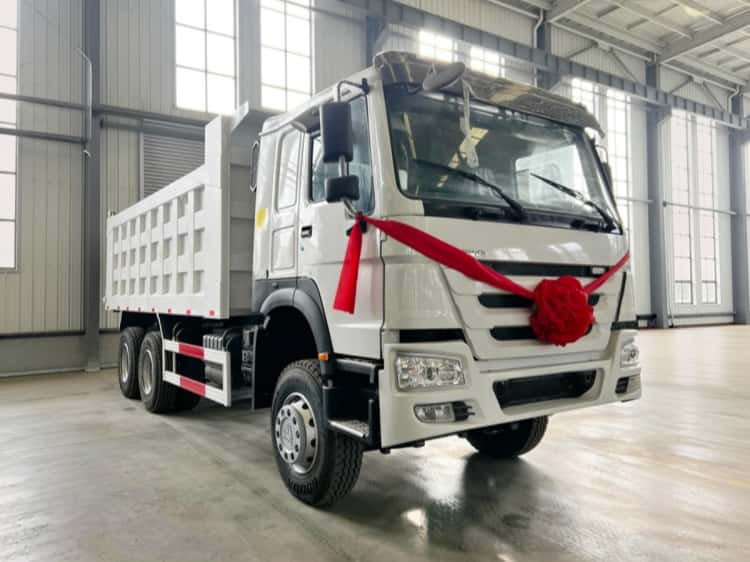
Who Is Allowed to Call a Truck “Remanufactured” in the First Place?
Introduce
On the open heavy-vehicle market, the word “remanufactured” is frequently attached to patched, overhauled or cosmetically refreshed trucks. Many sellers use the term freely, with no consistent rules to govern when the label is appropriate. This loose usage is one of the largest sources of market deception.
The question is not simply “who printed the decal?” It is: what conditions must be satisfied before any party can truthfully claim a truck qualifies as remanufactured. Within the ecosystem framework, the title is not a marketing privilege. It is a status earned by process, evidence and compliance with the foundational reman principles.
The workshop alone cannot self-claim the label by default
A repair shop, rebuild yard or component rebuilder does not automatically gain the right to call its output remanufactured just because it has replaced parts or cleaned the chassis.
A workshop may perform excellent overhaul work on an engine, transmission or braking system. It may produce a truck that runs smoothly on a test drive. But subsystem overhaul does not equal full-vehicle reman. If the team skipped core fatigue screening, full disassembly, component grading, cross-system calibration and loaded integrated validation, the asset is only overhauled or repaired.
Self-declaration is the weakest form of claim. Without a fixed standard and independent oversight, workshops can bend definitions to fit delivery schedules or profit targets. This is why the ecosystem treats unchecked self-certification as insufficient proof.
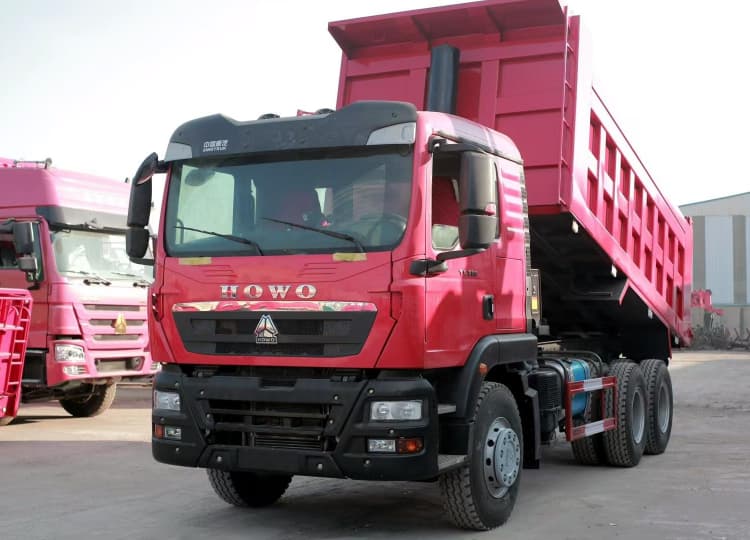
The first eligible group: practitioners executing the full gated reman process
The party that carries out the complete reman process may claim the reman status, but only if it follows the full non-negotiable sequence.
That reman process workflow includes core qualification and fatigue screening, full disassembly, component grading, controlled regeneration, mandatory replacement of high-risk wearing parts, system-level calibration, dynamic loaded full-vehicle testing and permanent traceability recording. The practitioner must document every critical decision, not just the final test result.
This applies to OEM reman programmes, specialised reman industrial facilities, and qualified in-house reman teams operated by large fleet groups. What unites them is not brand ownership, but disciplined adherence to the system-reset logic. Even an OEM’s internal rebuild does not qualify as remanufactured if it skips fatigue assessment or only renews selected visible subsystems.
Independent verification bodies do not “own” the label, but they validate the claim
Third-party verification organisations do not perform the reman rebuild themselves, but they hold a critical role in legitimising the claim.
They review the complete traceability record against the shared foundational logic. They cross-check NDT fatigue reports, component records, calibration logs and loaded test datasets. If the evidence aligns with the standard, they issue neutral confirmation.
This neutral review solves the conflict of interest built into self-claiming. A workshop may be biased to declare its own work remanufactured, but a separate verification body answers to the ecosystem’s shared rules, not the workshop’s commercial targets.
A verified reman claim is therefore two-layered: the reman practitioner completes the lifecycle reset, and the independent verifier confirms the reman process meets the agreed threshold.
Fleet operators cannot casually rename their own repaired assets
Fleets often perform major in-house maintenance on their trucks. They may replace multiple worn assemblies and restore reliable operation. That maintenance is valuable operational work, but it does not grant the fleet the right to market the truck as remanufactured.
Maintenance aims to return the asset to service within its existing lifecycle. Truck remanufactured aims to reset its lifecycle baseline after systematic evaluation of residual structural margin.
If a fleet’s internal team runs the full gated reman process workflow, captures all traceable evidence and passes independent verification, then the asset may correctly carry the reman label. Routine heavy maintenance, even if extensive, does not cross that threshold.
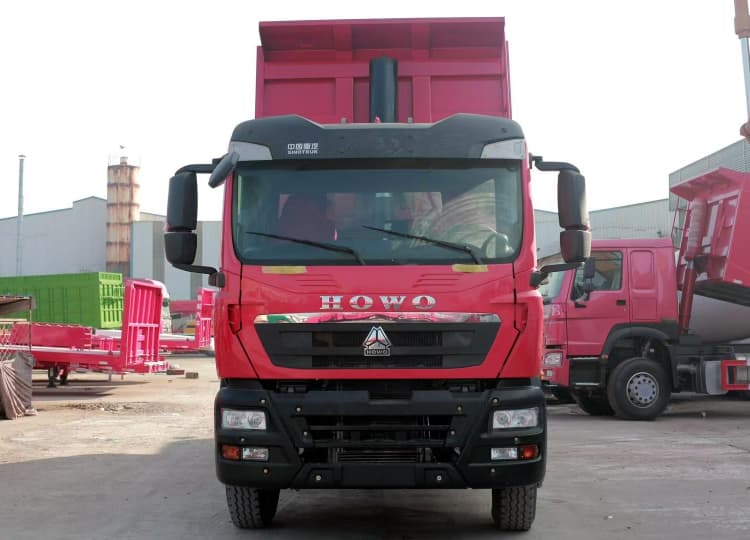
Brokers, resellers and dealers cannot invent the label
Intermediate traders are the most common source of misleading reman labelling. A dealer may buy a used overhauled truck, repaint it and advertise it as remanufactured, even though no lifecycle-reset workflow was ever executed.
A reseller may only pass the label forward if they can produce the complete, VIN-linked audit trail from the reman practitioner, supported by valid verification records. They cannot create the reman status through marketing, pricing or visual presentation.
Their role is to transfer the asset and its evidence package. They do not have authority to assign the reman classification on their own.
Regulatory boundaries: legal definitions vary by jurisdiction
Local rules create another layer of constraint. Some regions reserve the term “remanufactured” for licensed enterprises, OEM-authorised programmes or facilities that meet formal industry specifications. Other markets have looser legal wording, leaving the term largely unregulated.
Where regulation is absent, market discipline becomes even more important. The ecosystem’s shared logic fills that gap: regardless of local legal fine print, the engineering threshold for true truck remanufactured remains unchanged. Legal permission to use the word does not make the asset a genuine lifecycle reset if the reman process gates were skipped.
What disqualifies a claim?
Any of these scenarios invalidates the remanufactured label:
- The core was not screened for fatigue and hidden structural defects
- Work was limited to one or two subsystems, while the rest of the vehicle remained unopened and uninspected
- The asset passed only static idle checks or short road runs, without full-vehicle loaded system validation
- No traceable records exist for component grading, machining limits or calibration
- The “reset” is only cosmetic cleaning, repainting and visible-part replacement
These outputs should be labelled repair, overhaul or refurbishment. Calling them remanufactured is misrepresentation.
The practical rule for the ecosystem
The right to call a truck remanufactured attaches to the asset’s evidence package, not to the seller’s title or workshop sign.
A claim is valid only when three conditions are met:
- The asset has gone through the full system-level lifecycle-reset reman process
- Every critical decision is permanently recorded and tied to the asset’s unique identifier
- The process can withstand neutral, independent verification against the shared foundational logic
This is the guardrail REMAN ROAD maintains as a neutral bridge across stakeholders. It does not restrict legitimate reman practitioners; it blocks parties from borrowing the credibility of reman for inferior rebuild work.
Closing thought
No one gets automatic permission to call a truck remanufactured. The label is not a privilege for workshops, dealers or fleet owners. It is a status earned only when the asset completes a full, documented system-level lifecycle reset and its evidence can survive neutral review.
When the market treats “remanufactured” as an evidence-backed classification rather than a flexible marketing word, buyers can trust the label, financiers can price risk reliably, and the circular ecosystem avoids being undermined by mislabelled assets.