Acceptance Criteria: What “Pass” Actually Means in a Reman Workflow
Introduce
In many rebuild yards, a truck is marked as “passed” once it starts the engine, holds pressure and completes a short road test. This loose definition of pass creates dangerous gaps in reliability.
Under the standard reman workflow framework, acceptance is a multi-gate decision. A “pass” is not a subjective judgement from a technician. It is a formal conclusion that the asset satisfies all mandatory, documented criteria before the lifecycle reset clock starts. Every standard reman workflow must be cleared; a pass in one stage cannot compensate for a failure in another.
Pass means the core structural safety gate is satisfied
The first and non-negotiable acceptance gate applies to the load-bearing core.
Pass here means NDT scanning, dimensional checks and service history review confirm no irreversible critical defects. Frame, axle housings and other primary load-bearing structures have no unacceptable cracks, permanent deformation or residual damage from heavy collisions or chronic overload. The remaining structural margin is measurable and sufficient for the assigned duty envelope.
This gate is binary. If the core fails structural screening, the asset cannot proceed into standard reman workflow, regardless of how many new parts are installed. A pass on this gate does not mean the core is back to factory-new strength. It means its remaining capacity is known and acceptable for the planned second-life use.
Pass means component grading and replacement rules are fully followed
The second layer of acceptance applies to every individual component pulled apart during disassembly.
Each part is graded against fixed rules: fit for reuse, eligible for controlled regeneration, mandatory replacement, or scrap. A pass means all high-risk wear items and time-limited parts have been renewed. Parts allowed to stay in service are within approved machining, wear and tolerance limits. No compromised component is retained simply to cut cost or speed up delivery.
This is different from “no obvious damage”. Some components show no visible wear but fall into mandatory replacement lists defined by the standard. Keeping them would result in a failure, even if they still function.
Pass means subsystems are calibrated into system harmony
Individual components can each pass their own bench tests, yet still clash when assembled together into a full vehicle.
System-level acceptance confirms that all subsystems communicate and balance correctly. Cooling flow, brake distribution, driveline alignment, electronic sensor logic and power output are calibrated as a single dynamic system. There is no hidden imbalance that would trigger overheating, vibration resonance, uneven stress or drifting performance under working load.
This is why bench testing alone is insufficient. A component may pass its standalone test, but the full vehicle only earns a pass after integrated tuning.
Pass means loaded validation performance meets the defined standard
Static idle, visual inspection and short unloaded test drives are not the final proof.
A pass requires loaded full-vehicle testing under conditions that mimic real operational stress. The test verifies thermal stability, braking response, vibration behaviour, power delivery and fault codes under sustained load. The standard reman workflow test results are logged against pre-set acceptance thresholds.
A truck that idles smoothly but overheats under load, or develops driveline vibration at rated working weight, fails this gate. It cannot be accepted as a lifecycle reset asset.
Pass means the complete traceability record is closed and auditable
Technical performance is only half of the acceptance package. A formal pass also requires the evidence package to be complete.
All fatigue reports, component grading sheets, machining logs, part specification records, calibration snapshots and loaded test datasets must be tied to the asset’s unique identifier. The record must be organised so independent verification can review every critical decision.
If the engineering reman workflow is technically sound but documentation is missing, incomplete or untraceable, the asset does not receive a formal reman pass. The evidence is part of the acceptance criteria, not an optional add-on.
What a “pass” does NOT mean?
It is equally important to understand the limits of a passing result.
- It does not mean the asset has the full safety margin of a new truck. It only means the residual margin is sufficient for its assigned duty envelope.
- It does not mean zero future failures. It means the known high-risk structural and integration hazards have been eliminated, and risk is bounded.
- It does not mean unlimited duty flexibility. The pass is paired with a fixed classification of approved payload, terrain and cyclic load limits.
- It does not mean every minor cosmetic imperfection is eliminated. Surface finishing is protective, not an engineering acceptance gate.
What happens when a gate fails?
Failure at any single gate triggers a defined reman workflow.
- Structural core failure: the core is rejected from reman and routed to component harvesting or recycling.
- Component grading failure: the part is scrapped or regenerated/replaced until it meets the standard.
- System calibration or loaded test failure: the asset returns for rework, then retested.
- Documentation failure: the asset is held for record completion before acceptance.
A standard reman workflow does not “conditional pass” or “accept with notes” for mandatory safety gates. Compromises on these criteria invalidate the reman status.
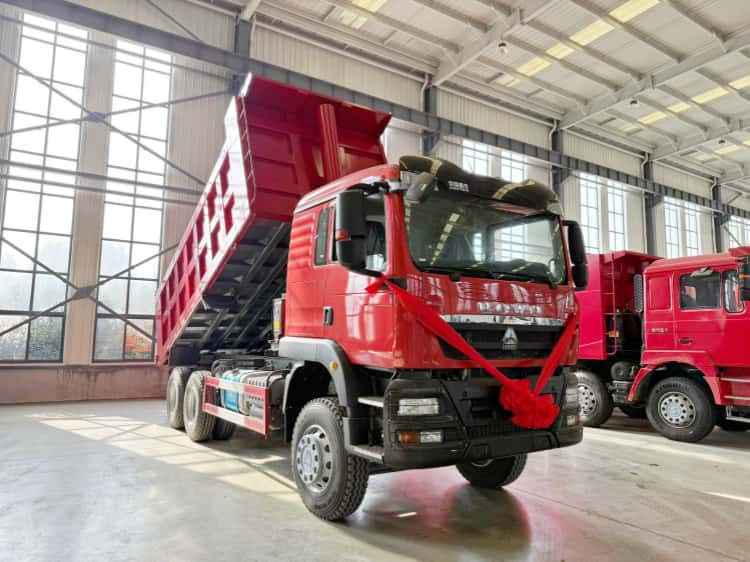
The difference between workshop pass and verified pass
An internal workshop sign-off confirms the team has completed the reman workflow and logged results. That is an internal pass.
A verified pass occurs when an independent reviewer cross-checks the full dataset against the shared standard. This is the acceptance that unlocks the formal reman identity and starts the new lifecycle clock.
Buyers should distinguish these two. Internal self-approval is useful, but the neutral verified pass is the acceptance that carries weight for financing, insurance and resale.
Closing thought
In a standard reman workflow, “pass” is a precise, multi-gate outcome. It confirms structural integrity, compliant component handling, balanced system calibration, successful loaded validation and a complete traceable evidence package. It is not a quick check that the truck runs.
Understanding what acceptance really means helps buyers read inspection reports correctly, filter out low-quality rebuilds, and trust the boundary of risk and value that comes with a certified reman truck.