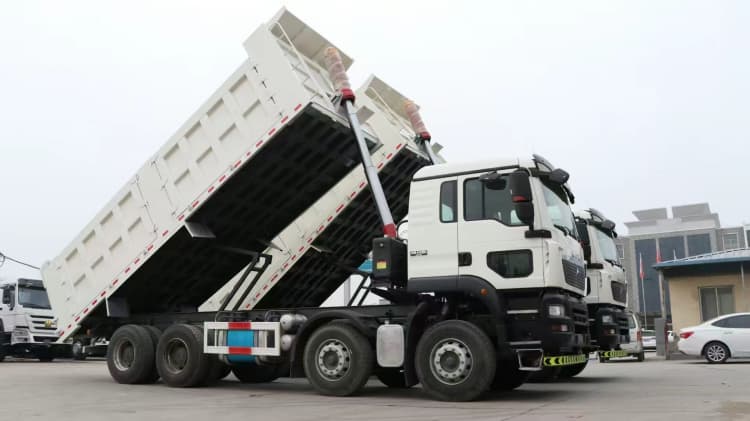
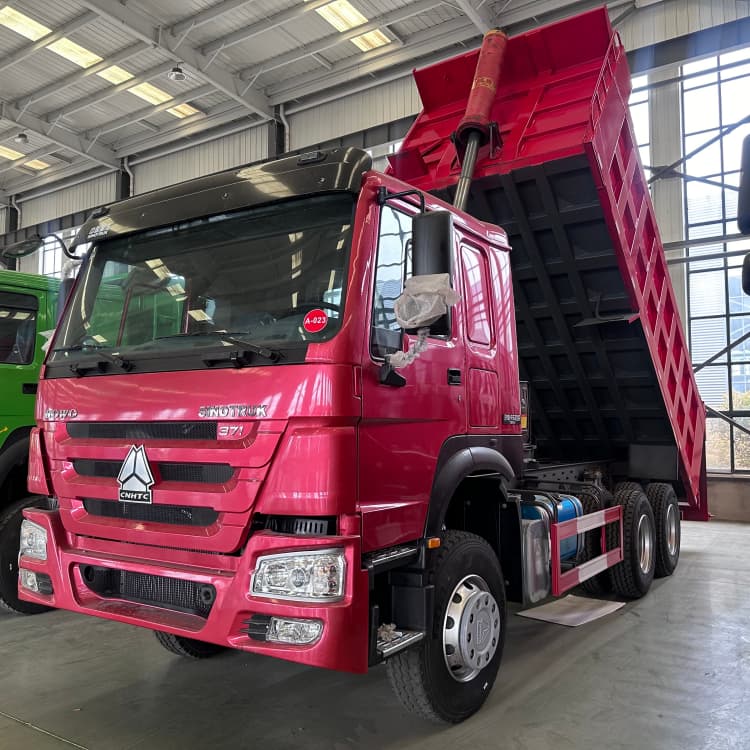
The Hidden Carbon Already Banked Inside a Retired Truck Chassis
Intro
Fleet carbon reporting usually prioritises two familiar areas: fuel burned during operation, and emissions generated when buying brand-new trucks. This narrow view overlooks a quiet but massive carbon asset locked inside every retired truck chassis. The frame rails, axle housings and load-bearing castings were forged and cast using huge amounts of energy at the point of original manufacturing.
That carbon is not released when the truck finishes its first service cycle. It remains banked within the metal structure, waiting for one of two outcomes: preserved through standard truck remanufacturing, or forfeited if the chassis goes straight to scrap melting. REMAN ROAD’s standard truck remanufacturing works is designed to protect this banked carbon, turning it into a measurable, auditable decarbonisation lever for heavy fleets.
What banked embodied carbon actually means?
Embodied carbon covers all greenhouse gas emissions released to extract ore, smelt steel, cast components, machine frames and heat-treat the chassis. Once these processes are complete, the carbon is effectively stored within the finished metal assembly. The truck’s daily diesel combustion creates operational carbon, which escapes into the atmosphere.
The chassis carbon stays bound in the material itself, inert and stationary, as long as the core remains intact and usable. This is the critical distinction. Scrap melting forces the industry to repeat that energy-intensive smelting cycle again, wasting the carbon investment already spent. Certified standard truck remanufacturing works does not eliminate operational emissions, but it protects the already-invested carbon stock from being written off prematurely.
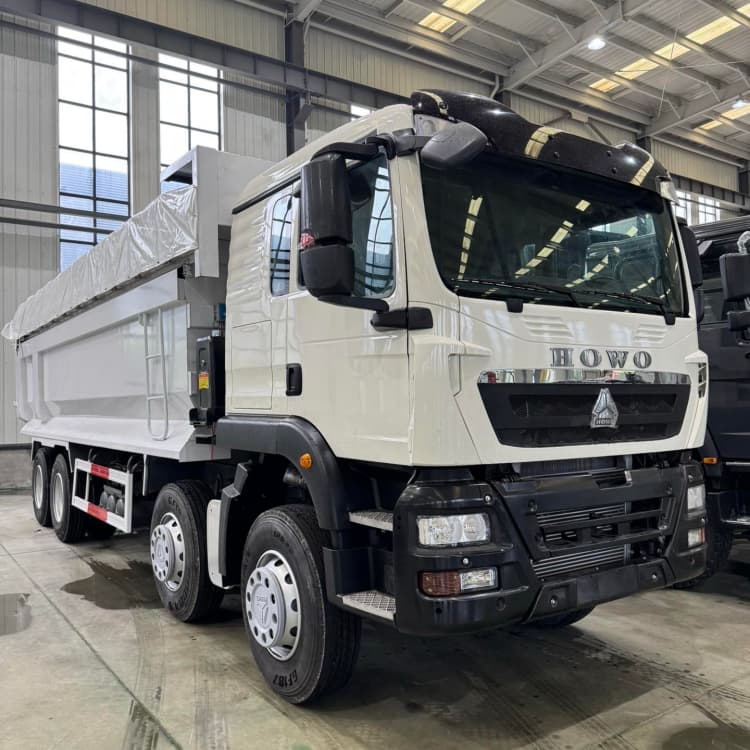
Why chassis steel carries such a heavy carbon footprint?
Steel and castings dominate the structural mass of a heavy truck. Traditional blast-furnace steel production is extremely carbon-intensive, and frame rails require controlled forming, machining and stress relief. Even recycled steel feedstock still consumes energy during re-melting. A single heavy-duty chassis accumulates a substantial embodied carbon burden long before the truck hits the road for the first time.
When fleets treat a retired chassis as simple scrap, they discard this asset and implicitly accept the carbon cost of building a replacement frame. This is the hidden decarbonisation opportunity that most fleet sustainability programmes miss. REMAN ROAD’s intake screening process evaluates each core not only for fatigue and safety, but also for the carbon value it carries.
Scrap recycling only recovers material, not the banked carbon investment
Many fleets assume sending retired trucks to recyclers is the gold standard of circularity. Recycling has its place, but it operates at a lower value tier. Recycling melts the frame down into raw steel stock. The material survives, yet all the industrial work invested into shaping, machining and heat-treating the chassis is lost. The banked carbon from those manufacturing steps is effectively sacrificed.
Standard truck remanufacturing works at a higher value level. It retains the finished engineered geometry of the frame, axle and main castings. Only worn, non-structural or expired components are replaced. For eligible cores, standard truck remanufacturing works preserves the largest share of the original embodied carbon investment, far beyond what scrap recycling can deliver.
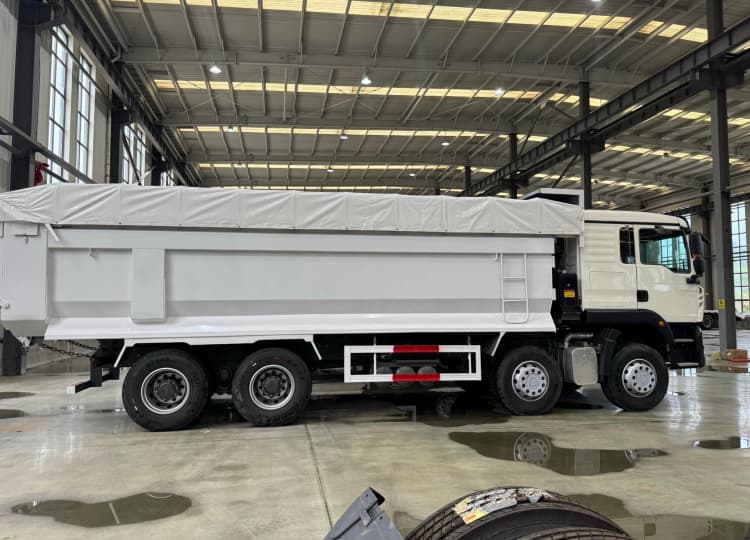
How reman unlocks the banked carbon without cutting safety corners?
Carbon preservation can never override structural safety rules. A core with unrepairable cracks, deep corrosion or exhausted fatigue margin cannot be kept in circulation, regardless of its carbon value.
REMAN ROAD’s NDT scanning, corrosion mapping and frame geometry checks form the non-negotiable front gate. Cores that pass these tests move into full disassembly, component grading and lifecycle reset. The chassis itself remains the original engineered backbone. New parts are introduced only where mandatory renewal rules require them.
The result is a functional, bounded second-life asset that retains the majority of the chassis’s banked carbon. This is responsible carbon stewardship: capture the climate benefit without normalising unsafe, overstretched assets.
The carbon accounting challenge: how to measure banked carbon retention?
Most standard ESG and Scope 3 reporting frameworks are built for linear manufacturing cycles. They struggle to recognise retained embodied carbon as a positive outcome. It is easier to report tonnes of scrap diverted than to calculate how much new steel production was avoided by keeping a chassis in service.
REMAN ROAD’s VIN-linked Quality Log solves this by attaching carbon metadata to each certified core. It records chassis weight, original material classification, estimated embodied carbon baseline, and the portion preserved through standard truck remanufacturing works.
Fleets can then report avoided emissions instead of only recycling volumes. This shifts sustainability reporting from waste recovery metrics toward asset retention metrics, which better reflect real circular impact.
Banked carbon changes the business case for core retention
The financial and climate cases often align here. A chassis with healthy residual fatigue capacity carries both residual asset value and banked carbon value. When fleets automatically scrap retired trucks, they surrender both at once.
Certified standard truck remanufacturing turns that dual value into usable fleet capacity. Instead of budgeting for a new truck with a full new embodied carbon bill, fleets deploy a reset chassis that carries its existing carbon stock forward.
Over time, a fleet with a steady reman intake pipeline reduces the rate at which new high-carbon structural castings enter its asset pool. This creates a gradual, compounding decarbonisation effect that simple one-off recycling cannot match.
Common misconception: carbon banking is not carbon offsetting
It is important to separate retained embodied carbon from carbon offsets. An offset compensates for emissions that have already been released. Banked carbon retention prevents new emissions from being created in the first place. It is a form of emission avoidance, not compensation. No extra carbon is removed from the atmosphere. The benefit comes from skipping the energy-intensive production of a replacement chassis.
REMAN ROAD documentation avoids misleading marketing language around carbon removal. It clearly frames the benefit as avoided embodied emissions, tied to specific VINs and inspection records. This honesty keeps the carbon claims auditable and defensible for tender, investor and regulatory disclosures.
Final Takeaway
Every retired truck chassis holds a stock of hidden, banked embodied carbon, locked in its forged and cast steel structure. Scrap recycling recovers raw material but forfeits the manufacturing carbon investment.
Certified standard truck remanufacturing works preserves that banked carbon by resetting eligible cores for a second service life, subject to strict fatigue and structural safety gates.
REMAN ROAD’s standard truck remanufacturing traceability and inspection framework makes this carbon retention measurable and reportable for fleets. For sustainability leaders, the key takeaway is simple: the most effective way to protect a chassis’s banked carbon is not to melt it, but to safely extend its engineered service life.