Predictable Reman Maintenance for Mixed-Age Operations
Introduction
Mixed-age fleet operations bring a persistent operational challenge: trucks from different model years, prior owners and repair cycles all age at different rates. Without unified standards, maintenance planners juggle unique service schedules, unknown component lifespans and inconsistent failure risks. One truck may need a major overhaul soon, while another with similar mileage remains reliable.
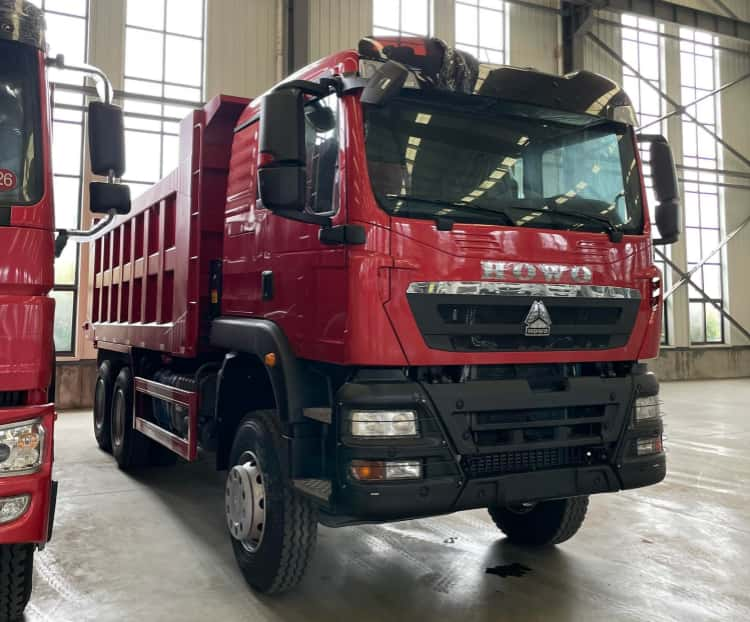
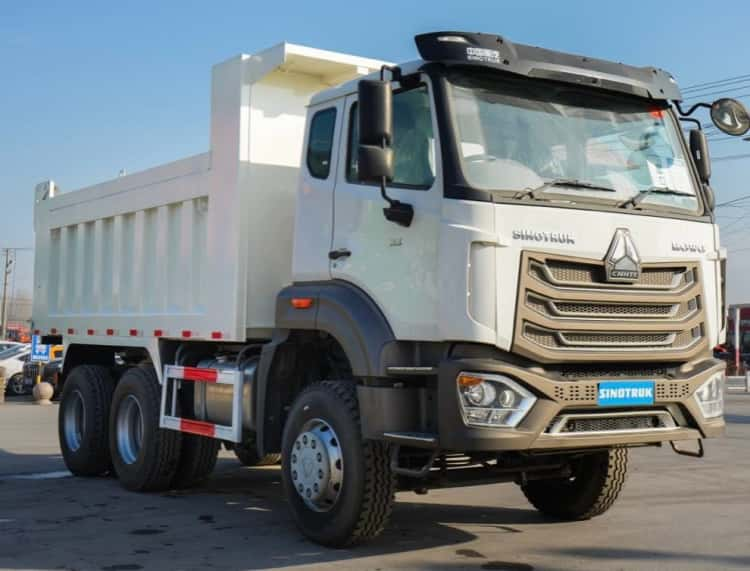
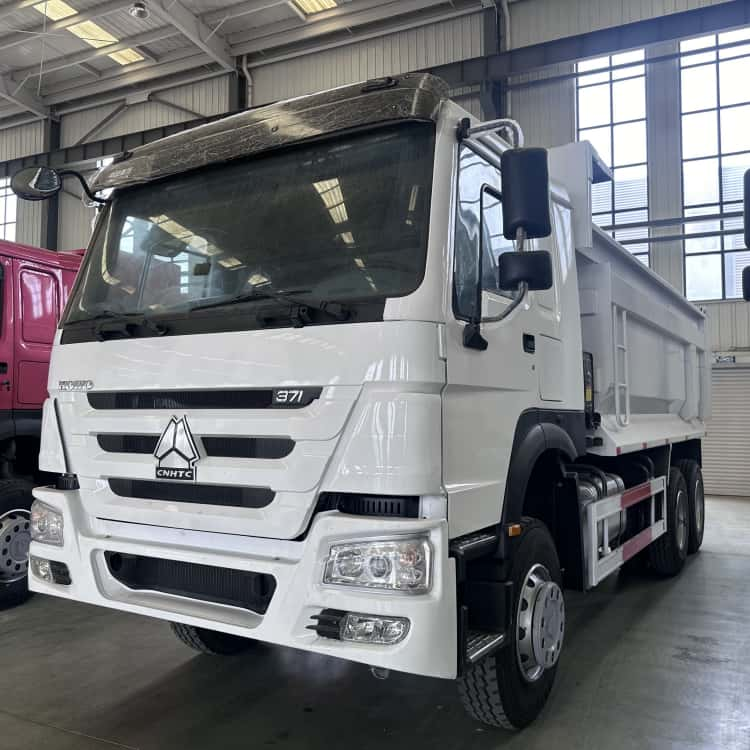
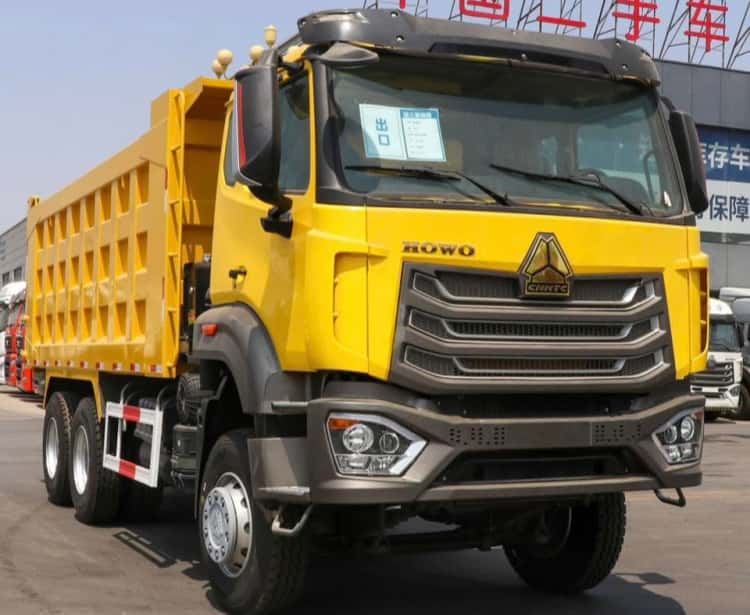
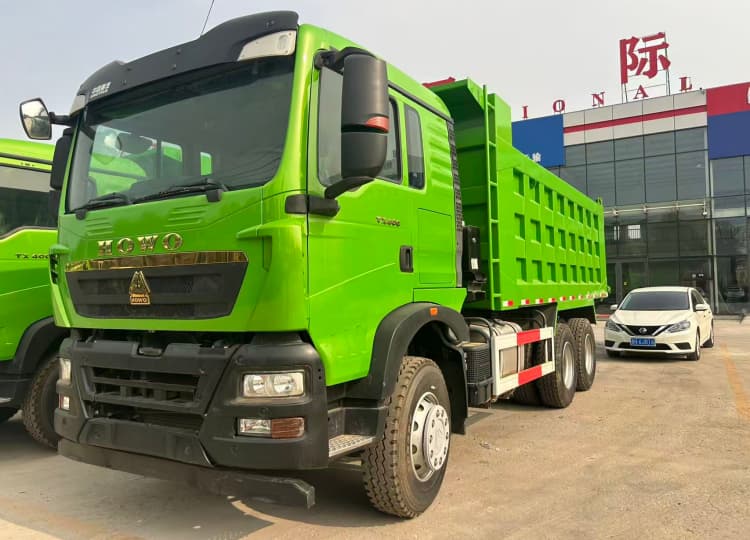
REMAN ROAD predictable remanufacturing introduces a shared wear baseline that cuts through this complexity. Even when these verified reman trucks sit alongside older legacy trucks, they bring a layer of predictable reman maintenance that stabilises workshop workflows and budget planning.
The Natural Maintenance Chaos of Mixed-Age Fleets
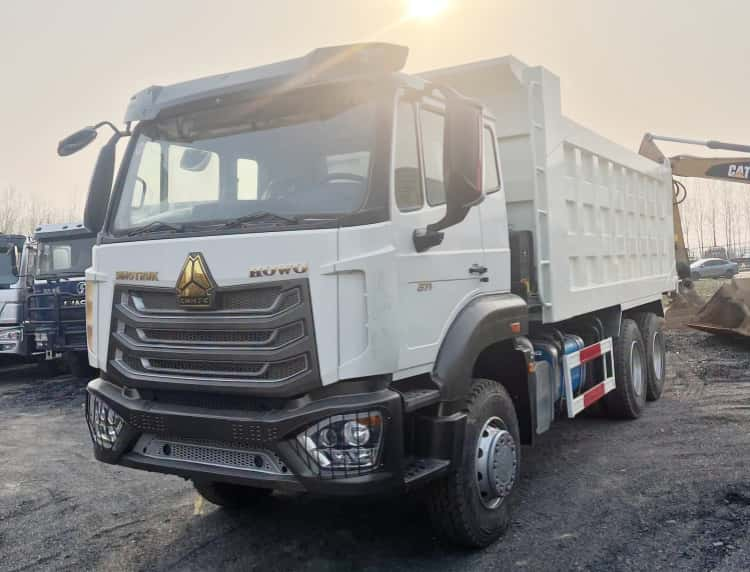
In a typical mixed-age fleet, age alone is not the best indicator of remaining service life. A 5-year-old truck with neglected repairs may be near catastrophic failure, while an older unit that received careful, documented work can still run reliably. This forces maintenance teams to rely on reactive inspections, emergency part ordering and constant condition guesswork.
Service schedules become customised for every individual chassis, which expands administrative workload, increases technician error and makes it nearly impossible to create accurate annual maintenance budgets. Unexpected breakdowns frequently disrupt site hauling schedules.predictable remanufacturing
Reman Resets Each Unit to a Shared Wear Baseline
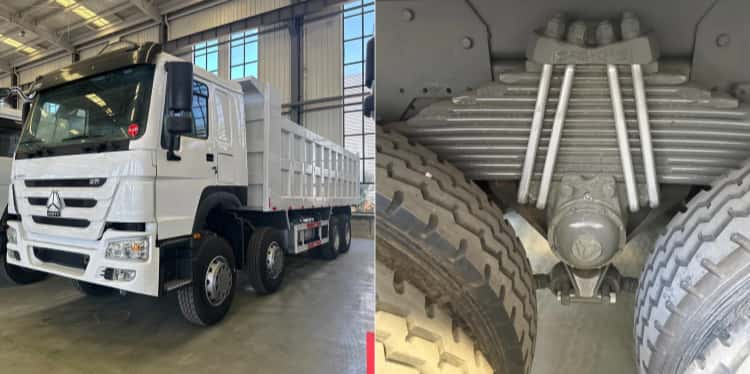
When a truck completes REMAN ROAD genuine predictable remanufacturing, its critical high-wear systems are reset to a defined standard, independent of its original age. Worn engine internals, brake assemblies, hydraulic components and fatigue-prone structural parts are replaced or reconditioned and validated via NDT scanning, dyno testing and functional road checks.
After rebuild, every verified reman trucks follows the same service interval framework matching its duty classification. Whether the original chassis was 7 years old or 12 years old, it enters the fleet with a known starting point for wear tracking. This creates islands of predictability within the broader mixed-age operation.
Unified Service Intervals Simplify Planning and Parts Stocking
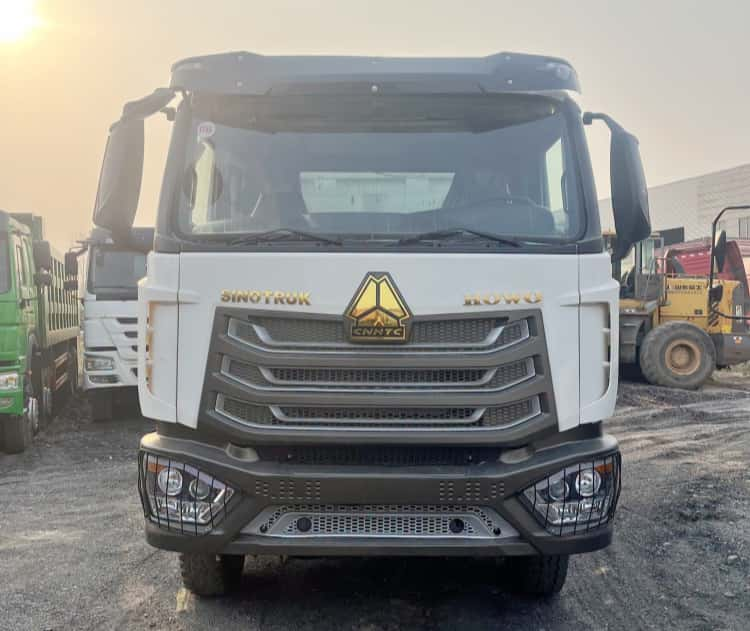
Standardised predictable remanufacturing service schedules let maintenance teams group these units together for planned service events, rather than treating each one as a unique case. Filter changes, oil service, brake inspections and hydraulic testing follow the same timeline for all verified reman trucks in the same duty class.
This supports consolidated parts ordering, batch servicing and more efficient workshop rostering. Over time, the fleet can gradually shift its spare parts inventory toward the common specifications of the reman build, reducing the wide range of niche SKUs required for the older, inconsistent legacy stock.
Traceable Records Make Condition Forecasting Easier
Each verified reman trucks carries a VIN-linked traceability passport that logs every component replacement and test result. Maintenance supervisors can look up the exact rebuild scope and forecast the next major service long before failure occurs.
Unlike legacy trucks, where past repair work may be undocumented, verified reman trucks have clear visibility into what has been renewed. This helps planners separate planned downtime from unplanned breakdowns, and it makes it easier to decide which legacy units should be phased out or sent for reman when their maintenance costs become unsustainable.
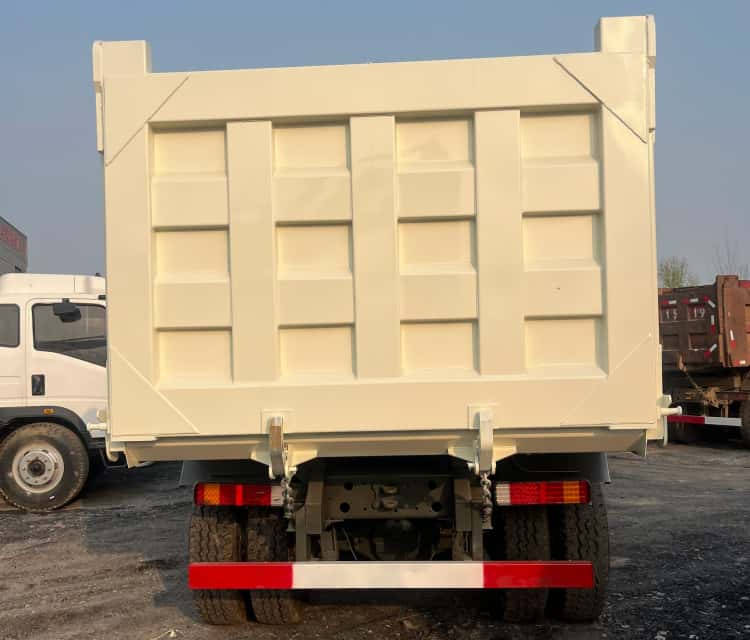
Balancing Reman Trucks With Legacy Fleet Assets
Predictable reman maintenance does not require the fleet to retire all older trucks at once. Many operators use certified predictable remanufacturing as a controlled upgrade strategy: they add verified reman trucks incrementally, using their stable service profile to offset the risk of the remaining legacy equipment.
Maintenance planners can build two streams of workflow: fixed scheduled servicing for verified reman trucks, and more frequent condition monitoring for the older, unstandardised trucks. This gradual transition spreads capital spend and gives the fleet time to adjust workshop processes and technician training.
Conclusion
Predictable reman maintenance, enabled by REMAN ROAD remanufacturing, brings order to mixed-age fleet operations by resetting individual trucks to a consistent wear baseline and unified service schedule. It reduces guesswork, simplifies parts management and separates planned maintenance from costly emergency repairs.
For operators running a mix of legacy and renewed assets, this creates a practical path to stabilise workshop operations, control predictable reman maintenance spending and improve overall fleet uptime.