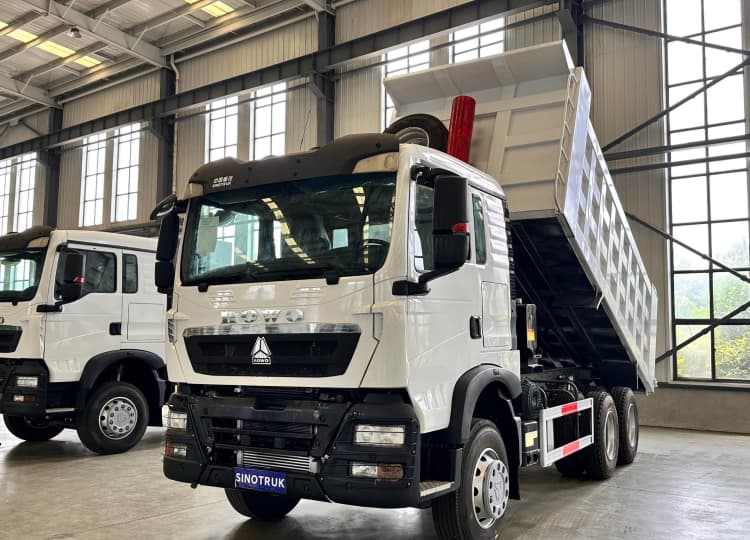
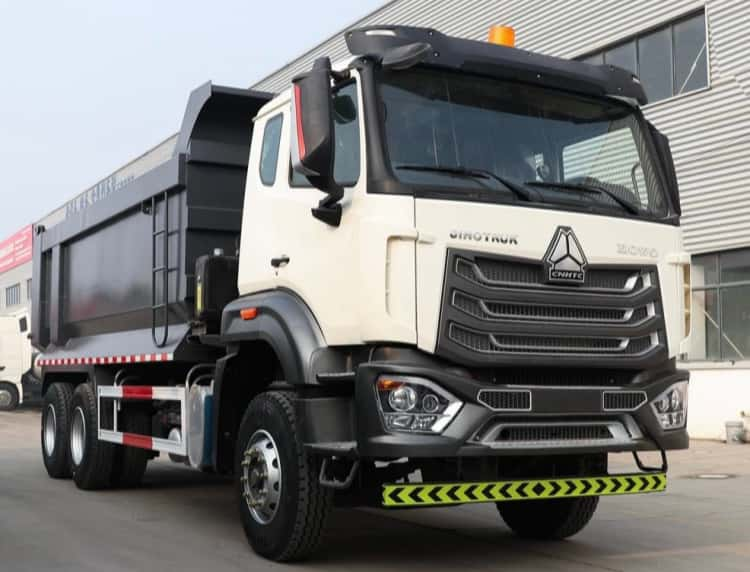
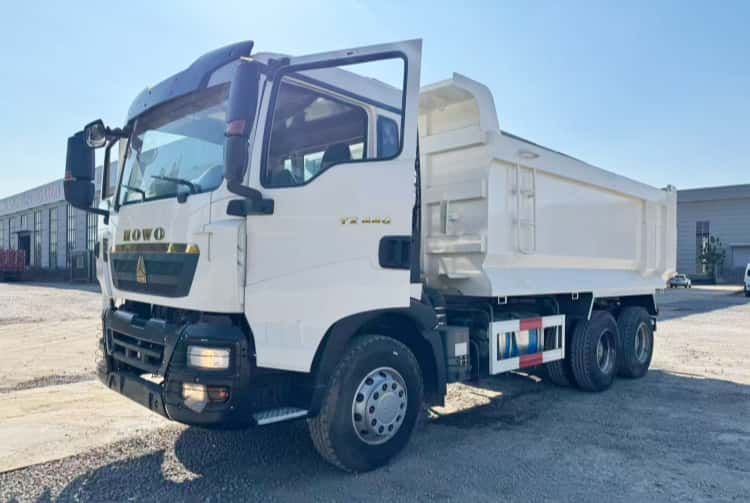
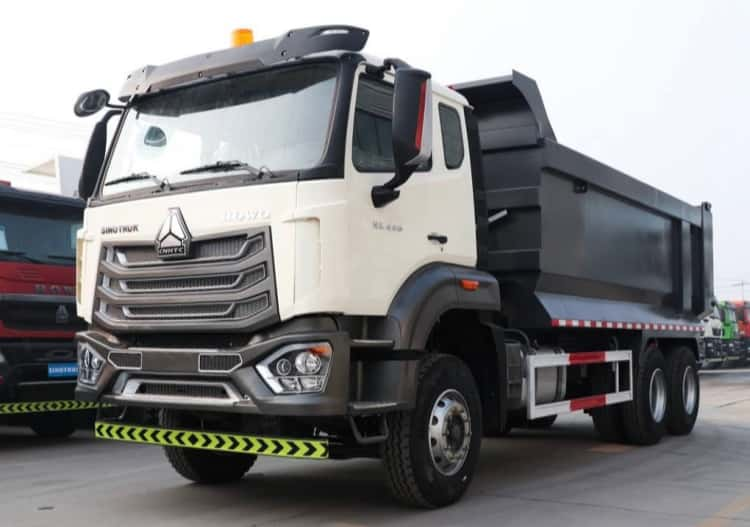
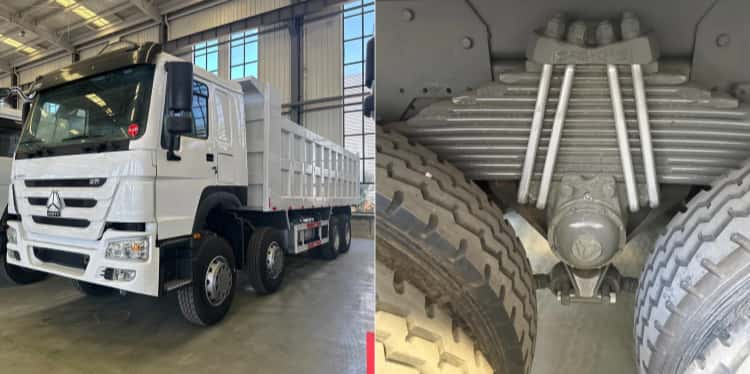
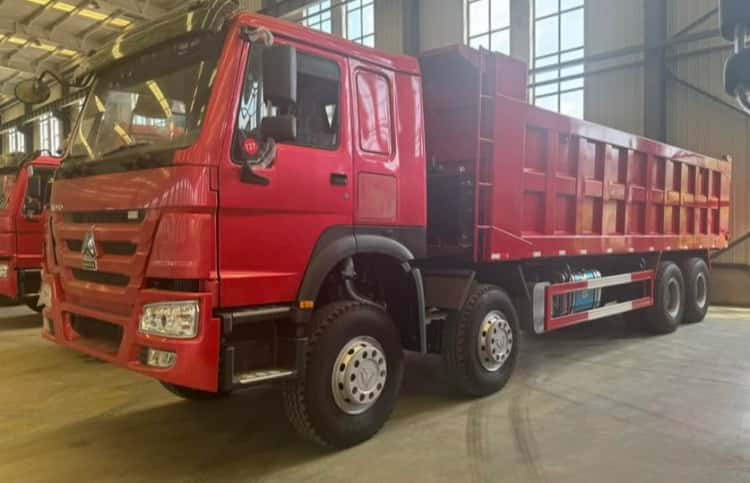
Standardized Reman Trucks: The Value of Standardisation Across a Growing or Shrinking Fleet
Introduction
Fleet growth and contraction are inevitable for project-based contractors. When workloads expand, operators rush to add haul capacity; when contracts finish, they must reduce overhead and idle assets. Without standardisation, every new truck added brings its own unknown rebuild history, wear pattern, maintenance requirement and risk profile. A growing or shrinking fleet quickly becomes a messy collection of mismatched assets.
REMAN ROAD standardized reman trucks introduces a uniform benchmark. Whether the fleet is expanding, trimming capacity or rebalancing its asset mix, standardisation keeps workflows, budgeting, training and residual value predictable through every shift in size.
The Hidden Cost of Non-Standard Fleet Scaling
Many fleet managers treat scaling as simply buying or selling trucks. But each unstandardised unit adds administrative and operational friction. A newly purchased used truck may have a different service schedule, incompatible spare parts, unknown structural condition and a residual value that cannot be reliably forecast.
When the fleet expands rapidly, technicians must learn new quirks for every chassis. When it shrinks, deciding which assets to keep or sell becomes guesswork. Some units hold value well, while others carry hidden defects that make them hard to offload. This variability creates planning chaos, slows mobilisation and makes TCO modelling unreliable.
Standardisation Creates a Repeatable Asset Baseline for Expansion
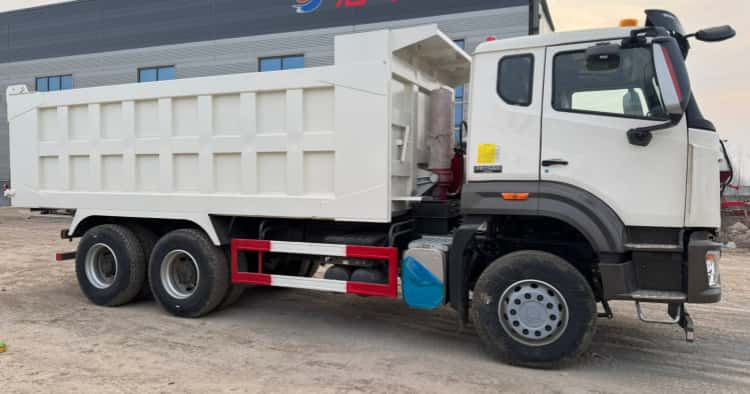
When a fleet grows with REMAN ROAD standardized reman trucks, every added unit follows the same inspection, component replacement and testing protocol. NDT structural scans, dyno engine validation, brake and hydraulic testing and duty classification are applied consistently. Maintenance teams can adopt one shared service schedule, stock one common set of spare parts and apply the same diagnostic routines.
New drivers and technicians require less custom training. Even if the fleet doubles in size over a short tender boom, the operational complexity does not double. This lets operators scale quickly without sacrificing uptime or introducing unquantified risk.
Controlled Shrinkage Becomes Easier When Assets Are Uniform
Shrinking a fleet is often more stressful than growing it. Operators must choose which units to retain and which to dispose of, while minimising losses. REMAN ROAD standardized reman trucks have comparable residual value, documented condition and identical quality benchmarks. There is no need to sort through a fleet of unknowns to identify which trucks are saleable and which carry hidden defects.
The fleet can downsize strategically: keeping enough reman trucks for core baseline demand, and trading back or reselling the surplus swing capacity. The traceable rebuild passport gives buyers confidence, so disposal happens with fewer steep discounts and less negotiation friction.
Uniform Documentation Simplifies Portfolio Valuation Through Cycles
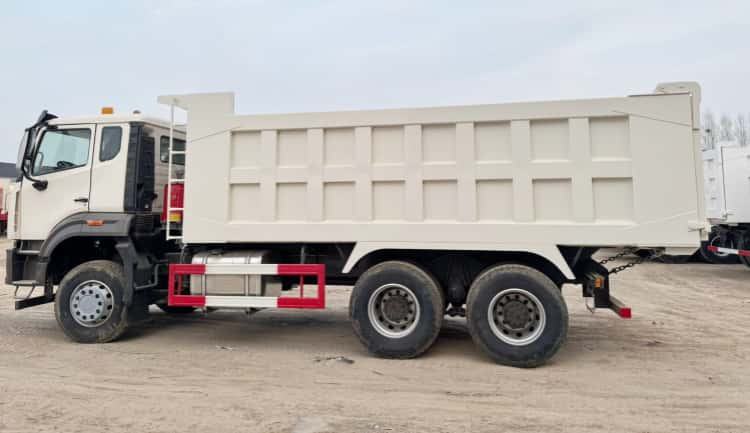
Lenders, insurers and internal finance teams rely on consistent valuation for fleet portfolios. A mixed fleet of random used trucks requires individual surveys and custom risk assessments every time the fleet changes size. Standardized reman trucks share a clear valuation framework tied to rebuild scope, duty rating and operating hours.
When the fleet expands or contracts, portfolio reviews, loan renewals and insurance audits proceed much faster. This stability also helps when restructuring lease or trade-back agreements, as the supplier can quickly assess the quality and market value of every unit in the pool.
Standardised Units Are Interchangeable for Work Reallocation
In a dynamic fleet, trucks are frequently reassigned between sites, clients and duty levels. Standardized reman trucks are functionally interchangeable within the same duty class. A unit running on a quarry stripping job can be moved to a road earthworks site with minimal extra inspection, because the rebuild baseline, safety validation and service expectations are identical.
This interchangeability gives dispatch teams far more flexibility. During peak periods, assets can be shifted to bottleneck sites; during slow periods, they can be parked or prepared for resale without lengthy condition reviews.
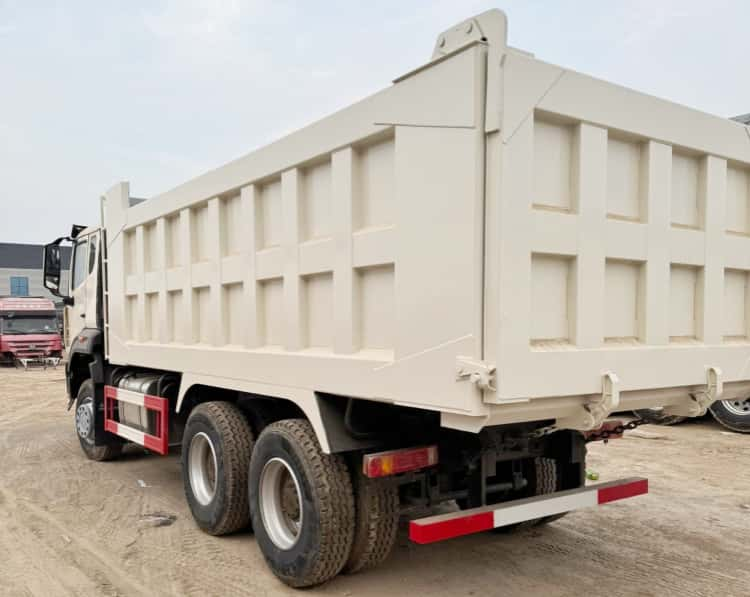
Gradual Transition Fits Businesses With Uncertain Growth Paths
Not every contractor knows whether growth will be permanent or temporary. Standardized reman trucks supports incremental scaling. Operators can add small batches of reman capacity to test new tender pipelines, rather than committing to large purchases of new trucks.
If demand continues rising, they can keep adding more standardised units. If the opportunity fades, they can reduce the fleet without being locked into high-value new inventory. This gradual, low-risk scaling strategy aligns asset growth directly with confirmed revenue, rather than speculative forecasts.
Conclusion
Standardized reman trucks deliver their greatest value when fleets are growing or shrinking. A shared rebuild baseline, unified maintenance rules, interchangeable deployment and consistent residual value remove the chaos that usually comes with scaling. For contractors navigating volatile tender cycles, REMAN ROAD standardized reman trucks turns fleet expansion and contraction into a controlled, repeatable process, protecting uptime, budget and asset value through every shift in operational size.