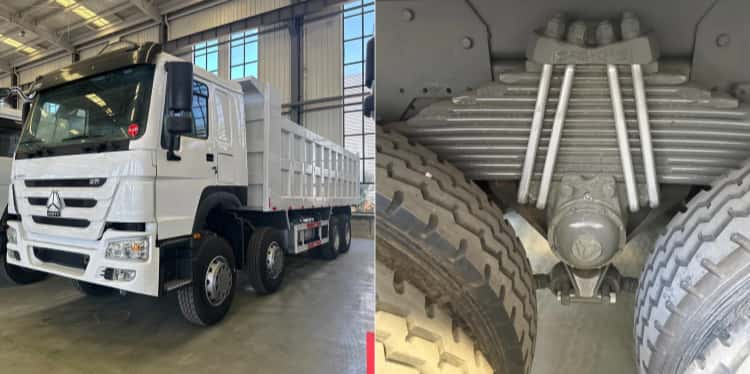
Risk Management: Why Auditable Remanufacturing Fit Governance Standards?
Introduction
Fleet governance is no longer limited to finance and safety paperwork. Boards, investors, major clients and auditors increasingly require formal proof that equipment risks are identified, assessed and controlled. Informal repairs and unvetted used trucks create blind spots: there is no clear trail to prove safety checks, structural inspections or component renewal.
REMAN ROAD auditable remanufacturing builds a documented chain of evidence for every truck. It turns equipment procurement and maintenance into a controlled process that fits modern governance standards, so risk management is not just a policy statement, but a verifiable practice.

Governance Requires Evidence, Not Just Promises
Many fleet operators have safety policies and risk registers on file, but they lack supporting evidence for individual heavy vehicles. A generic used truck can pass a visual inspection, yet there is no reliable record of NDT testing, engine overhaul scope or brake validation. When auditors or client governance teams ask for proof of due diligence, the operator only has seller statements. This creates governance gaps.
REMAN ROAD auditable remanufacturing closes this gap by attaching a VIN-linked asset passport to each unit. Every inspection, replacement, dyno test and final acceptance check is logged, timestamped and retrievable. This gives stakeholders tangible evidence that risk controls have been applied consistently.
Standardised Workflows Reduce Subjective Decision-Making
Poor governance often arises from inconsistent, ad-hoc decisions. One maintenance manager may reject a truck over minor signs of wear, while another accepts a similar unit with hidden fatigue.
Auditable remanufacturing follows fixed rebuild and acceptance criteria tied to duty classification. The pass/fail rules are objective, not left to individual judgement. This standardisation creates repeatable risk controls across the fleet portfolio. Governance reviewers can see the same evaluation framework applied to every reman truck, which reduces the risk of bias, oversight and inconsistent equipment acceptance.
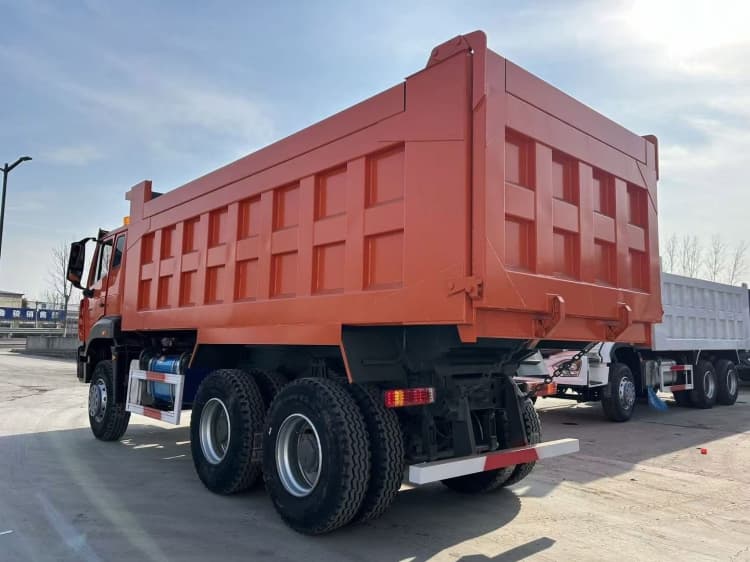
Traceable Records Support Duty of Care and Liability Tracking
For directors and management teams, duty of care is a core governance obligation. If a truck failure causes site disruption, safety incidents or contractual loss, leaders must demonstrate that reasonable steps were taken to manage mechanical risk.
Auditable remanufacturing records establish a clear baseline of fitness at the point of rebuild. If a failure occurs later, stakeholders can distinguish between pre-existing rebuild defects, normal operational wear, operator overload or site abuse. This protects the organisation and its leadership from accusations of inadequate due diligence, and supports transparent incident review within the governance framework.
Documentation Aligns With Client, ESG and Tender Governance Rules
Large project owners and multinational principals have their own supply chain governance requirements. They increasingly require contractors to show that plant and equipment meet controlled safety and sustainability standards.
Auditable remanufacturing files supply the required evidence: rebuild scope, test results, lifecycle reset records and Scope 3 emissions data. This makes it easier to satisfy client supplier audits and tender governance checklists. Without this auditable trail, even reliable trucks may be rejected on governance grounds, simply because there is no way to prove the equipment risk has been managed.
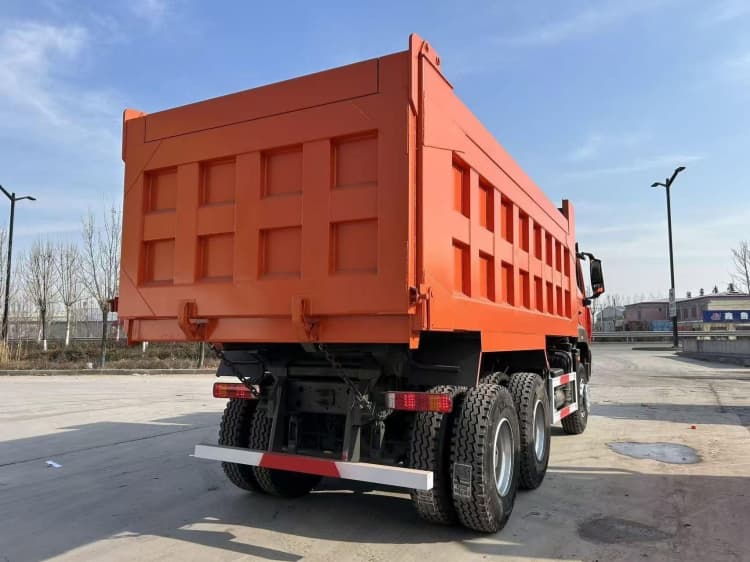
Portfolio Visibility Simplifies Internal Audit and Reporting
Internal audit teams struggle to review fleets made of undocumented used assets. Each truck is a separate unknown risk, and gathering evidence is labour-intensive.
A fleet built with auditable reman trucks offers a unified data set. Finance, safety and risk teams can pull aggregated fleet data for periodic risk reviews, board reports and insurance renewals. The consistent documentation reduces audit workload and makes risk reporting more reliable. Management can report on equipment risk exposure with confidence, rather than relying on estimates and assumptions.
Conclusion
Auditable remanufacturing fits governance standards because it replaces uncertainty with verifiable risk evidence. Objective rebuild criteria, timestamped test logs and VIN-linked traceability give operators a defensible framework for equipment due diligence, duty of care and supply chain compliance. For boards and risk managers, REMAN ROAD auditable remanufacturing turns heavy vehicle assets from a governance blind spot into a controlled, reportable part of the organisation’s risk management system.