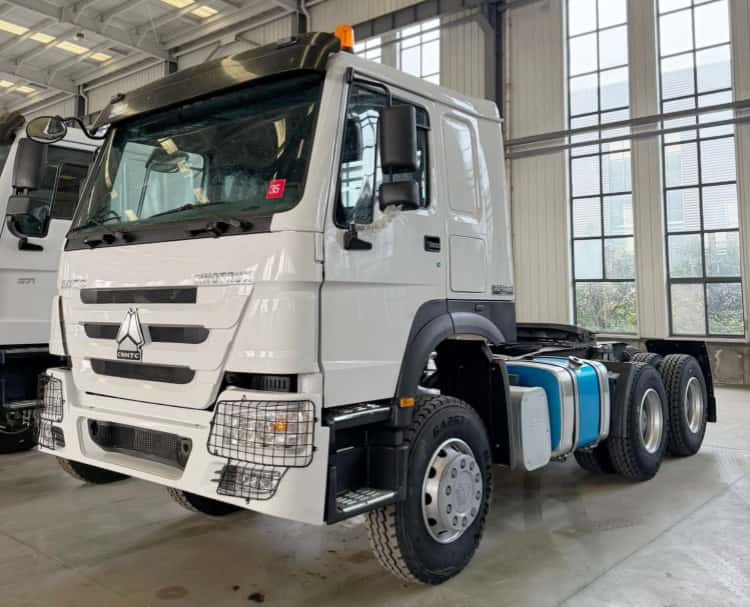
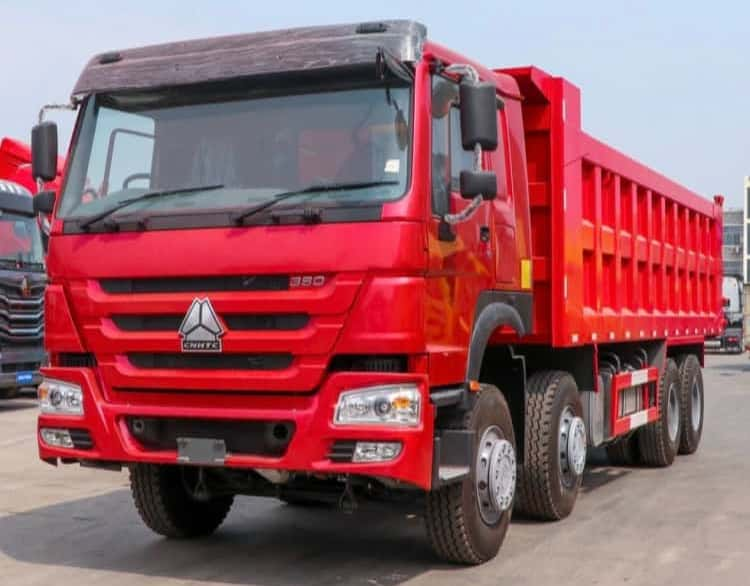
The Real Cost of Downtime and How Certified Remanufacturing Cuts It
Introduction
Most fleet operators understand downtime hurts profitability, but many still only tally the direct repair invoice when calculating its cost. The true expense is far broader: idle crews, delayed payloads, stalled upstream site operations, contractual penalties and lost revenue opportunities all compound the loss. Cheap used trucks often carry this hidden liability as a built-in risk.
REMAN ROAD certified remanufacturing process targets the root cause of avoidable downtime. It resets critical systems to a validated baseline, enforces standardised testing and includes warranty coverage, creating a reliability buffer that cuts the frequency and severity of disruptive outages.
Breaking Down the Real Cost of Downtime
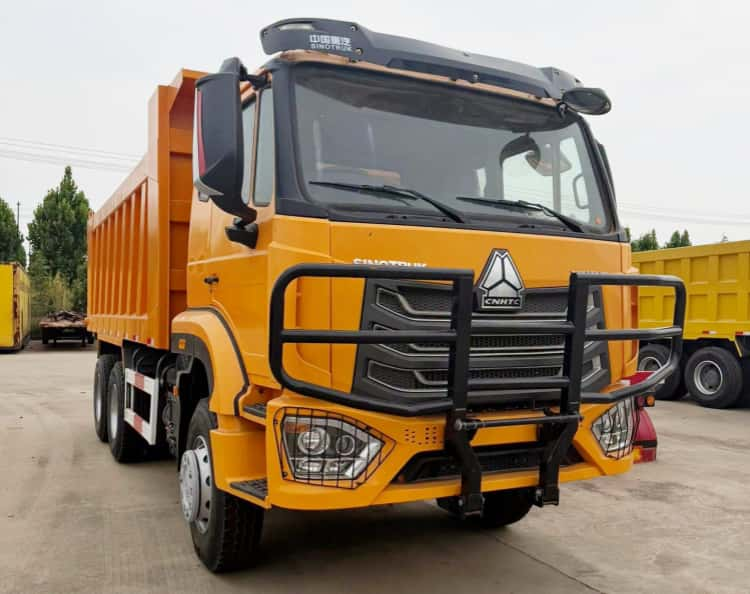
The direct cost — parts, labour and roadside recovery — is only the visible tip. The larger burden is consequential operational loss. A dump truck breakdown on a quarry stripping job stops its haul sequence, leaving excavators waiting without a place to dump material. Crews are paid while producing no output. If delays push the project past contractual milestones, liquidated damages can apply.
Dispatchers must scramble to reallocate limited standby capacity, which may force another revenue-generating job to slow. When downtime happens repeatedly, the business also accumulates reputational damage: clients lose confidence and may exclude the operator from future tender rounds. These indirect costs are rarely built into simple maintenance budgets.
Why Unknown Used Trucks Keep Downtime Risk High?
Unvetted used trucks carry latent defects that visual inspections cannot reveal. Fatigue in the chassis, degraded engine internals, drifting hydraulic pressure or worn brake components can remain hidden until the truck is under heavy site load. Since there is no formal rebuild baseline or warranty, every major failure becomes a surprise.
Maintenance teams are forced into a reactive cycle: wait for breakdown, then rush to source parts and technicians. This unpredictable pattern makes downtime impossible to forecast, and forces planners to keep expensive standby rental capacity on hand just as a safety net.
Certified Remanufacturing Sets a Validated Reliability Baseline
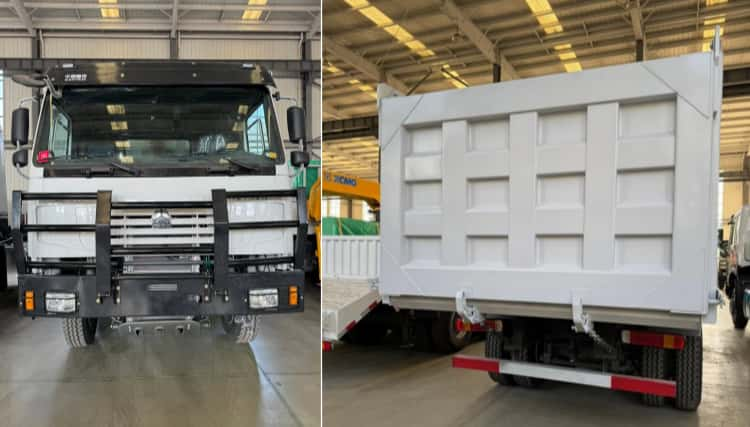
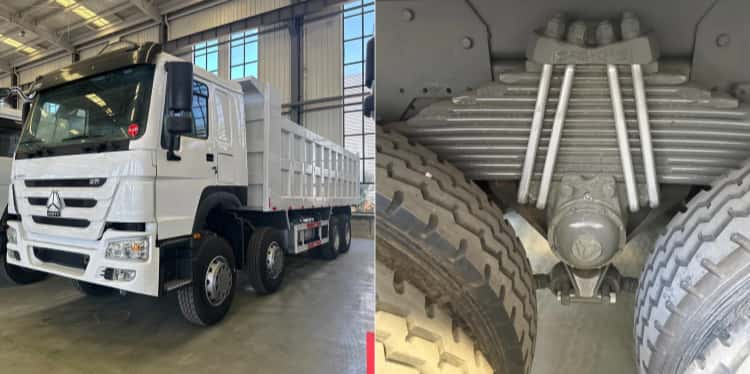
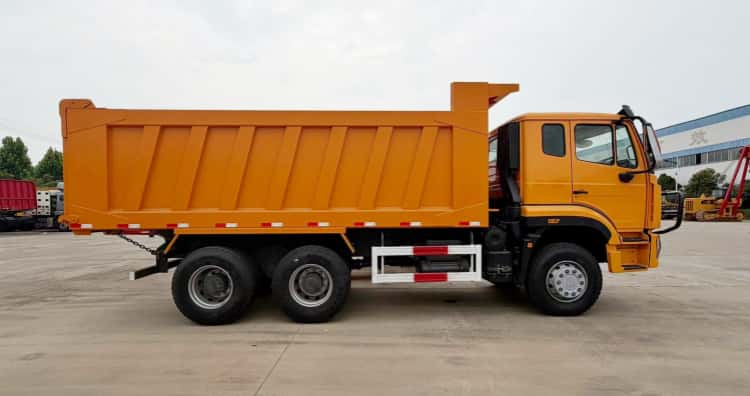
Every REMAN ROAD certified reman truck completes a fixed validation workflow before delivery: NDT structural scanning, dyno engine performance testing, brake and hydraulic functional checks, and a clear duty classification defining safe workload limits. High-wear and fatigue-prone components are renewed or reconditioned to the same standard.
This certified remanufacturing process removes the latent defects that trigger sudden failure. The truck enters service with a known wear profile, so downtime shifts from emergency breakdowns to scheduled, pre-planned service events. Planned downtime can be scheduled around quiet site windows, avoiding disruption to active hauling cycles.
Warranty Coverage Reduces the Financial Shock When Failures Occur
Even with rigorous testing, occasional faults can occur. The difference is the financial impact. Certified remanufacturing’s warranty aligns with the documented rebuild scope. If a covered system fails within the warranty period, the cost of repair, labour and often recovery support sits with the remanufacturer rather than the fleet.
This eliminates the sudden cash outflow that accompanies a major breakdown on an unprotected used truck. It also reduces the pressure to rush low-quality temporary repairs just to get the truck back on site, which would create even more downtime later.
Standardised Maintenance Slash Downtime Forecasting Uncertainty
Standardised rebuild specifications create unified service intervals, common spare parts and consistent diagnostic routines. Maintenance supervisors can batch service work, order parts in advance and schedule workshop slots efficiently. Technicians become familiar with the design and expected failure points, cutting diagnosis time when inspections are needed.
For mixed fleets, these REMAN ROAD certified reman trucks create predictable islands, letting teams separate predictable servicing from the constant condition monitoring required for legacy, undocumented trucks. Over time, the overall frequency of unplanned downtime falls.
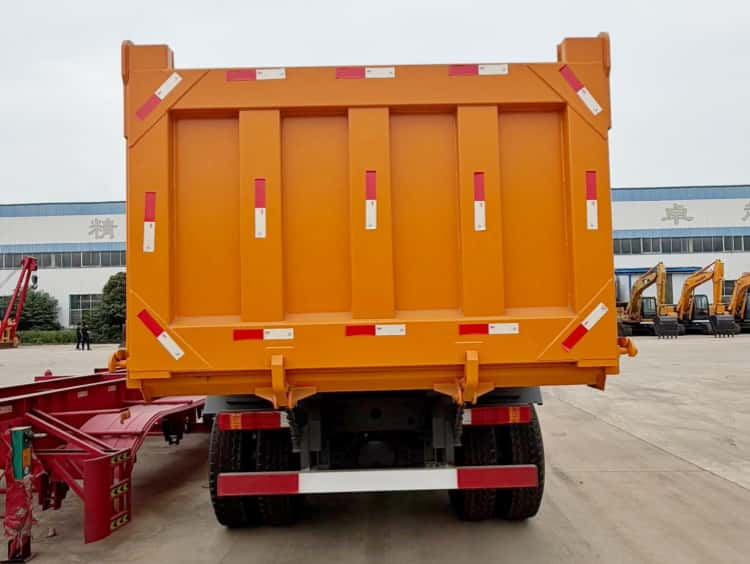
Uptime Stability Improves Long-Term Contract Margins
The cumulative value of lower downtime appears in tender competitiveness. Operators running certified remanufacturing can build smaller contingency buffers into their pricing, because they are not budgeting for frequent mechanical disruption. They can commit to tighter haul cycles and more reliable delivery schedules.
Consistent on-site performance strengthens client trust, leading to repeat awards and larger, longer-term contracts. This secondary benefit is often overlooked: reducing downtime is not just about saving repair money; it protects and expands the revenue pipeline.
Conclusion
The real cost of downtime extends far beyond repair invoices, including idle labour, stalled site workflows, penalties and lost client trust. REMAN ROAD certified remanufacturing process cuts this risk by eliminating latent defects, standardising reliability baselines, enabling planned maintenance and backing critical rebuilt systems with warranty. For fleet managers, this means fewer disruptive surprises, more predictable site scheduling and tender pricing that reflects real, controllable uptime expectations.