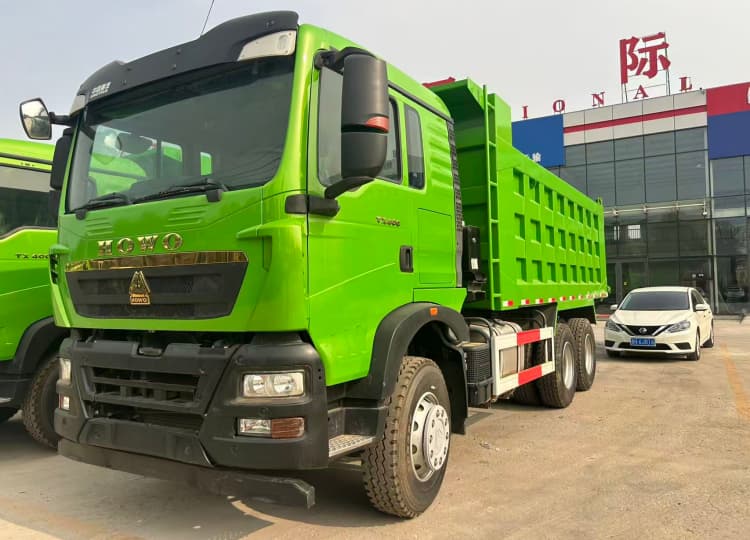
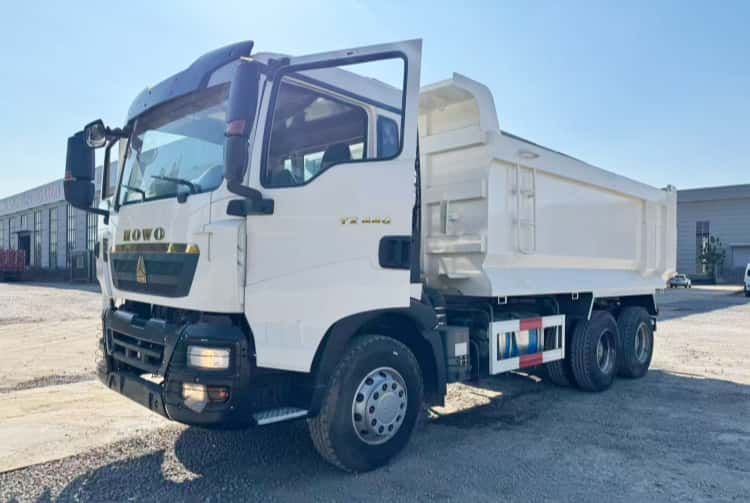
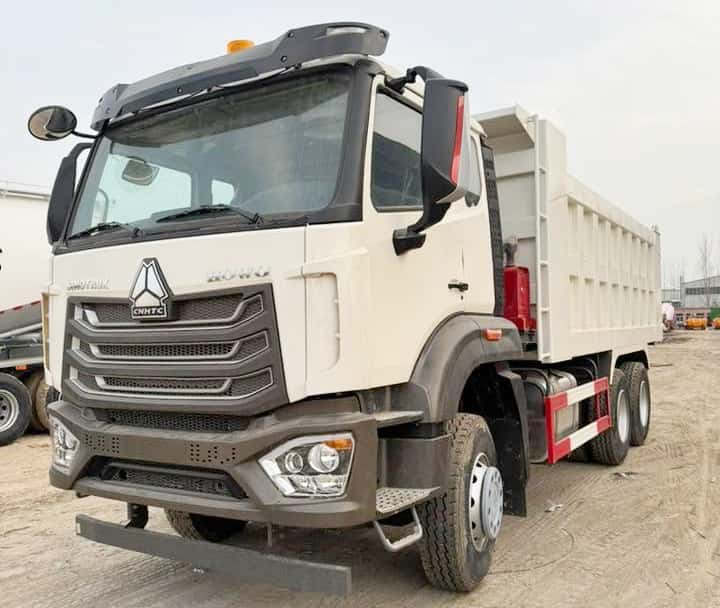
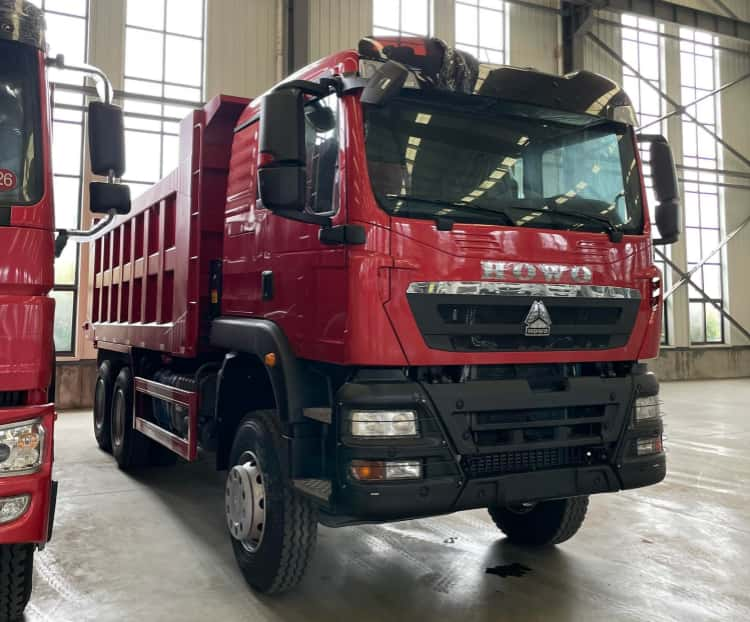
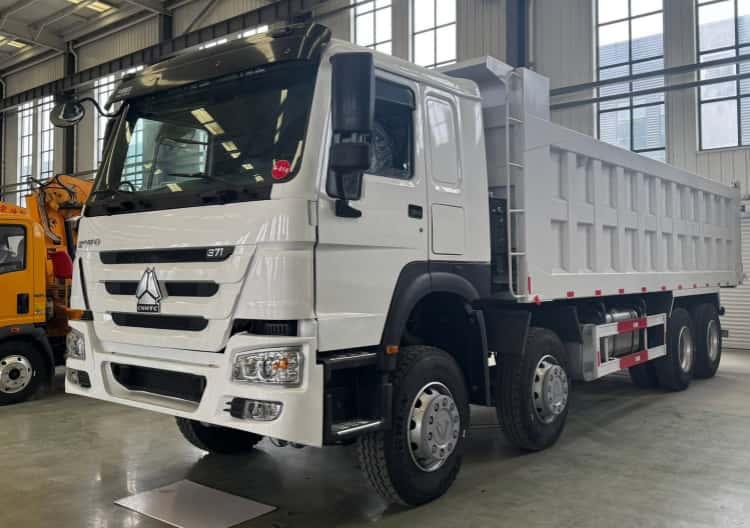
How Certified Reman Trucks Reduce Unexpected Fleet Downtime?
Introduction
Unplanned downtime is one of the costliest pain points for heavy-duty fleets. A broken-down truck means delayed cargo, missed contract deadlines, emergency repair bills and idle driver labour. Many fleets turn away from used or overhauled units precisely because unpredictable failures disrupt operations.
Certified reman trucks under the REMAN ROAD framework are engineered to minimise this risk. Downtime reduction is not accidental — it comes from proactive fatigue elimination, standardised testing, clear service rules and traceable quality built into every stage of the reman workflow.
Root Cause of Unexpected Breakdowns in Non-Certified Used Trucks
Most sudden failures do not come from parts that look visibly broken. They stem from hidden issues:
- Subsurface fatigue cracks on frame, crankshaft and axle components that visual inspection cannot catch
- Worn synchronisers, aged seals and bearings left in service after basic overhaul
- Unverified gear backlash, incorrect bearing preload or poor powertrain calibration
- Incomplete service records, so maintenance teams cannot spot approaching failure points
These defects can sit dormant for hundreds of kilometres, then fail suddenly under heavy load, hills or high torque spikes. Certified remanufacturing targets these root risks before the truck leaves the reman hub.
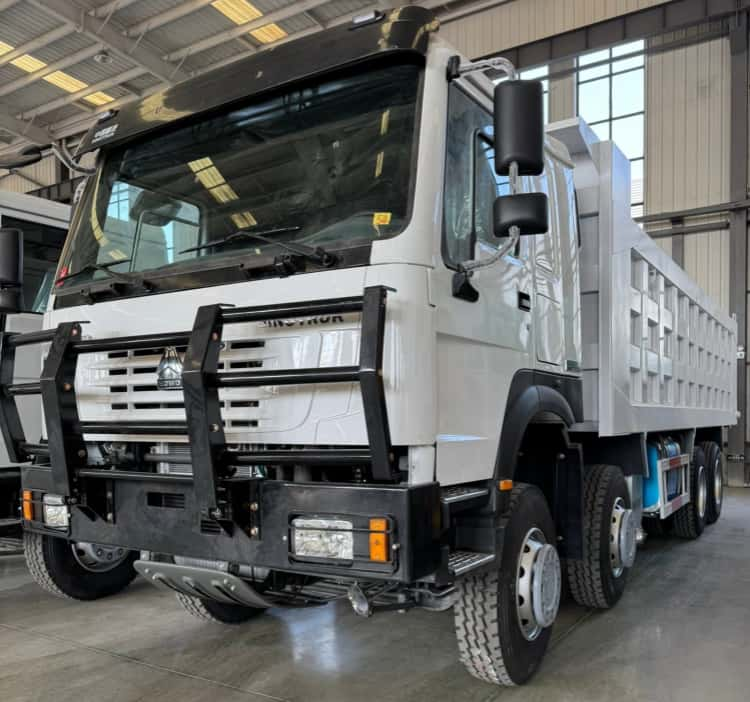
Mandatory NDT Eliminates Hidden Fatigue Risks
The first critical defence is non-destructive testing. All high-load structural and powertrain components — chassis frame, crankshaft, axle housings, connecting rods and gear sets — go through ultrasonic and magnetic particle inspection.
Any part with confirmed fatigue cracks or unacceptable material discontinuity is rejected. This removes the largest source of catastrophic, no-warning breakdowns common in regular second-hand or lightly refurbished trucks. Every NDT result is stored in the digital traceability record for audit.
Systematic Replacement of Time-Limited Wear Parts
A common shortcut in simple repairs or cosmetic refurbishment is reusing old bearings, seals, gaskets and friction parts as long as they still work. REMAN ROAD follows a fixed rule: all fatigue-limited consumables are replaced with OEM-grade new parts regardless of appearance. This includes oil seals, bearings, piston rings, brake linings, synchroniser rings, hoses and critical fasteners.
These components have predictable service lifespans. Swapping them out during reman resets their wear clock and prevents leaks, seizure or friction failure that often trigger roadside stops.
Bench, Dyno and Loaded Road Validation Before Delivery
No certified reman trucks is released after assembly alone. Key subsystems are bench-tested separately: gearboxes, steering assemblies and brake circuits run through simulated heavy-load cycles. The full powertrain passes dynamometer validation to lock in power, torque, temperature and oil pressure performance. Finally, each truck completes a loaded road test covering climbing, heavy haul and repeated braking.
Any unstable noise, leak, pressure fluctuation or shifting fault is fixed and retested before handover. This catches assembly errors or component defects that would otherwise only surface once the truck enters fleet operation.
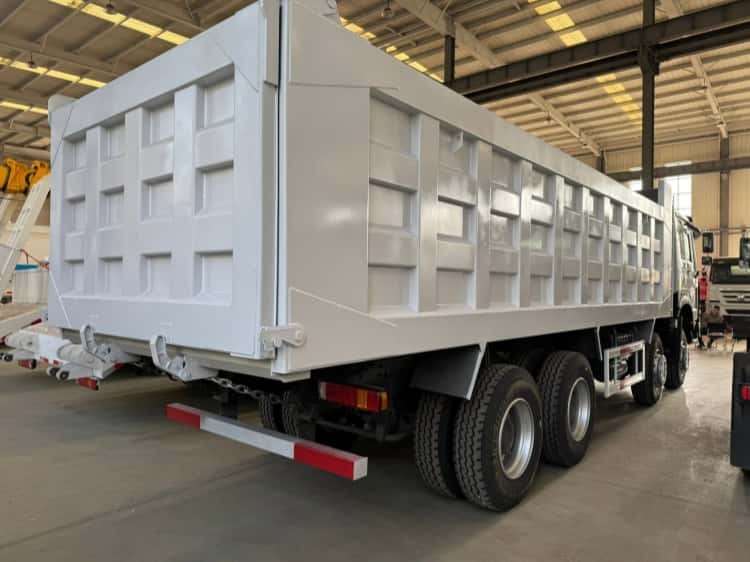
Standardised Calibration Matched to Real Working Conditions
Poorly calibrated engines and transmissions cause premature wear and intermittent faults. REMAN ROAD technicians calibrate powertrain logic for the truck’s target duty cycle: long-haul highway, mining low-speed heavy load or mountain routes. Shift points, torque limits and protection parameters are tuned to avoid over-stressing components during normal operation.
When the control logic matches the job, the truck runs more stably and experiences fewer unexpected fault codes or protective shutdowns.
Traceable Asset Records Simplify Predictive Maintenance
Every certified reman trucks carries a complete, permanent lifecycle ID. Fleet maintenance teams can view the full reman history: which parts were replaced, NDT reports, dyno curves and recommended service intervals.
Instead of guessing component condition, mechanics follow a clear maintenance schedule tailored to the reset service cycle. This shifts the fleet strategy from emergency breakdown repair to planned preventive service — the most reliable way to cut unplanned downtime.
Portable Warranty and Regional Service Network Support
Even with rigorous quality control, mechanical issues can occasionally occur. REMAN ROAD’s transferable warranty covers major remanufactured assemblies. Regional authorised service nodes have access to the vehicle’s full traceability file.
When a fault appears, service teams do not spend hours hunting for unknown history or troubleshooting blind. They quickly reference original test data and approved repair procedures, cutting diagnostic and repair time significantly. This limits how long a truck sits idle.
How This Compares to Refurbished or Overhauled Alternatives?
- Refurbished trucks: fix obvious faults, skip deep fatigue testing, reuse old consumables. Breakdown risk is high and unpredictable.
- Simple overhaul: replace failed parts only. Unknown wear accumulates, and failures often happen mid-contract.
- REMAN ROAD certified remanufacturing: proactively removes hidden fatigue, renews wear components, validates performance and documents everything. Failures drop and become far more predictable.
Closing
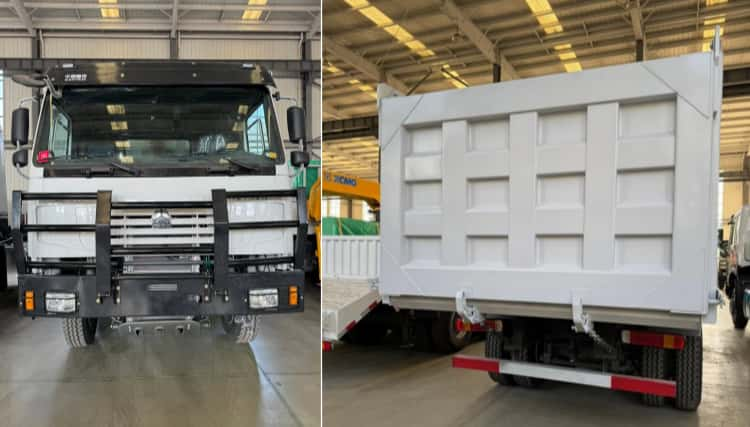
REMAN ROAD Certified reman trucks reduce unexpected fleet downtime by addressing failures before they happen.
Through NDT fatigue screening, mandatory consumable renewal, multi-stage performance validation, application-specific calibration and full digital traceability, REMAN ROAD removes the “black box” risk of ordinary used heavy trucks. For fleet managers, this means fewer roadside breakdowns, more reliable haul schedules and less lost revenue from idle assets.