Insurance Loadings on Standard Reman vs New vs Unknown-Origin Units
Introduction
Fleet insurance underwriters apply loadings (risk surcharges) based on how much uncertainty a vehicle carries. The three buckets — new heavy trucks, certified standard reman trucks, and unknown-origin used or casually rebuilt trucks — fall into distinct rating tiers. This directly affects fleet TCO, not just the sticker price of the truck itself. Many operators overlook insurance loading until renewal, when the cost gap between these asset types becomes visible.
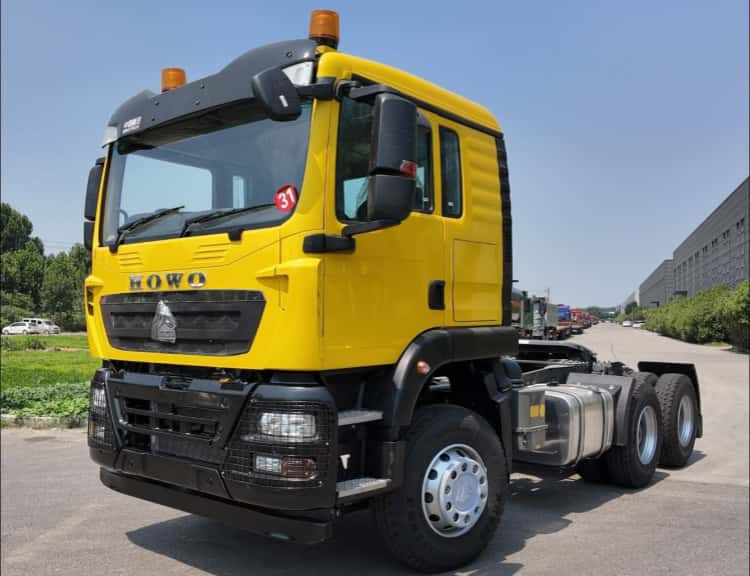
New Heavy Trucks: Lowest Base Loading
New trucks come with OEM factory warranty, full design compliance, zero accumulated fatigue wear and clear provenance. Underwriters treat them as the baseline risk benchmark. While their sum insured is higher, the risk multiplier is low. Claims frequency from sudden mechanical failure is minimal, and repair parts are standardised. Some carriers offer fleet credits for new OEM warranty coverage. The downside is higher absolute premium because the insured value is higher, but the loading factor is the most favourable.
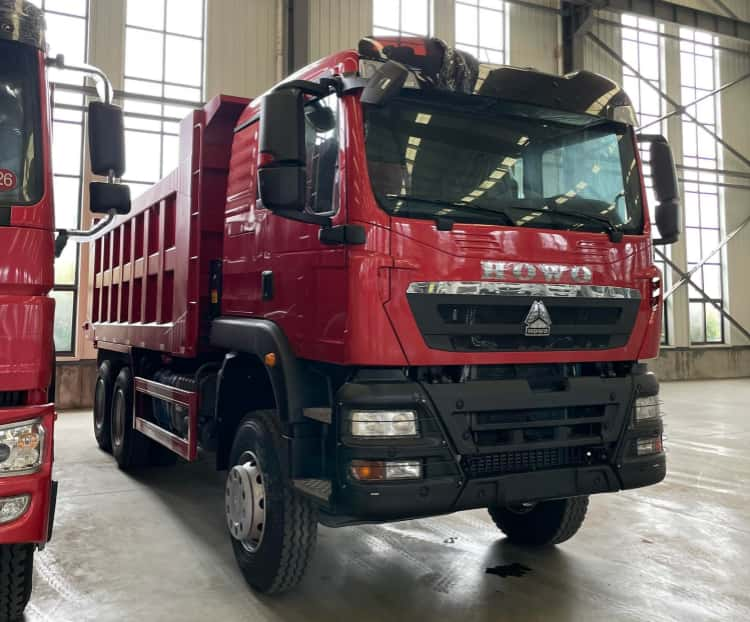
Standard Reman Trucks: Moderate, Defendable Loading
Standard remanufacturing sits between new trucks and unknown-origin units, and its loading is far better than generic used stock. Underwriters accept the unit-level traceability package: core screening, NDT, corrosion mapping, bench load testing, formal acceptance criteria and written warranty. This documentation removes the “unknown risk” penalty.
A properly standard reman trucks will not attract the worst-case used-vehicle surcharge. Insurers can model its wear profile, failure probability and maintenance schedule. The loading is predictable and consistent across the fleet, making it easier to budget for multi-year haul contracts. Without this formal reman certification, insurers will reclassify the truck as ordinary used stock and apply a higher surcharge.
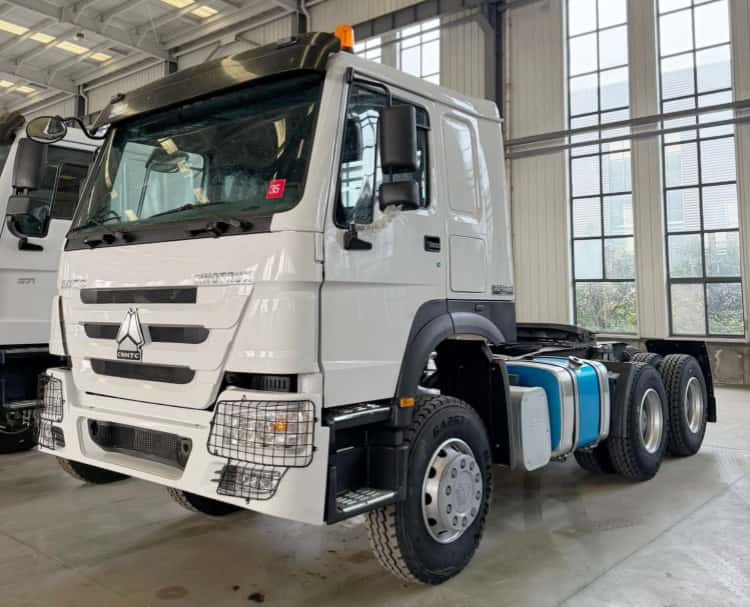
Unknown-Origin Units: Severe Loadings, Exclusions or Refusal
Unknown-origin trucks include units with missing serials, undocumented prior modifications, vague service history, informal cosmetic rebuilds, or imported chassis with no verifiable inspection trail. Underwriters cannot confirm structural integrity, brake performance, prior overload damage or unapproved frame alterations. This triggers heavy risk loadings, high compulsory deductibles, mechanical breakdown exclusions, or non-renewal.
In high-risk haulage sectors, some carriers will decline cover entirely. Even if a policy is bound, claims may be disputed if the insurer proves an undisclosed pre-existing defect caused the accident. The low purchase price of these units often vanishes into inflated insurance costs and uncovered liability.
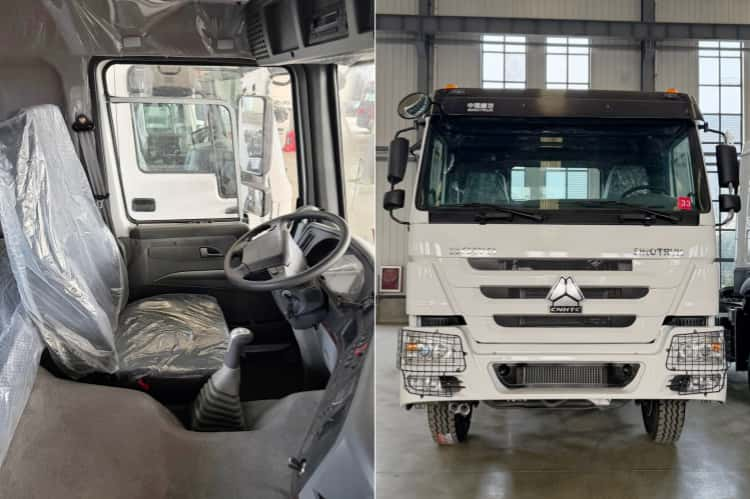
Key Underwriter Differentiator: Documentation Moves the Loading
The critical point is that “reman” alone is not enough. The loading tier depends on whether the reman process is standardised and auditable. A poorly documented rebuild is still priced like an unknown-origin unit. For REMAN ROAD standard remanufacturing, the full traceability log, acceptance checklist and warranty are not just tender assets — they are insurance negotiating evidence used to cap or reduce surcharges.
Fleet Planning Impact
When building mixed fleets, insurance loading must be modelled alongside capital cost, downtime risk and residual value.
- New trucks = low loading, high insured value.
- Standard reman = moderate, stable loading, lower capital outlay.
- Unknown-origin units = volatile, punitive loading with hidden claim risk.
For fixed-rate haul contracts, REMAN ROAD standard remanufacturing delivers the most predictable insurance budget line.
Conclusion
Insurance loadings separate these three asset classes clearly. New heavy trucks are the risk baseline with the lowest surcharge. REMAN ROAD standard remanufacturing carries a modest, predictable loading backed by test records and warranty. Unknown-origin units face steep surcharges, coverage exclusions or declined quotes, because their structural and mechanical risk cannot be validated.