Building a Fleet-Level ROI Model From Verified Remanufacturing Data
Introduction
Many fleets judge verified remanufacturing ROI only by upfront purchase price. A robust fleet-level ROI model pulls consistent, verified remanufacturing data across the whole asset lifecycle. It moves beyond simple unit-level payback to forecast financial outcomes for mixed fleets, multi-year projects and fixed-rate haul contracts. This framework relies on the traceability, wear profiles and acceptance records unique to verified reman units.
Core Inputs Sourced From Verified Reman Data
The model is built on auditable, standardised datasets rather than rough estimates. Key inputs include: capital outlay for the reman unit, scheduled maintenance costs, predicted unplanned repair frequency, downtime cost per hour, insurance loading, fuel consumption, warranty coverage terms, residual value at end of duty cycle, and core return credit.
Because verified reman units share the same grade and duty envelope, these inputs are uniform across the fleet. Generic used trucks cannot supply this consistent dataset; each unit carries unknown wear and risk, making reliable ROI modelling impossible.

Key ROI Calculation Logic
The model calculates total net return by comparing incremental cash inflows from reliable haul capacity against all lifecycle outflows. Net gain = Revenue generated − capital cost − scheduled maintenance − emergency repair spend − downtime penalties − insurance − fuel & tolls + residual/core return value.
Two critical reman-specific adjustments are added: the avoided premium of buying new trucks, and the risk premium avoided by skipping unknown-origin used units. The model also isolates ESG benefits such as carbon savings for separate optional reporting, without mixing them into hard financial ROI.
Side-by-Side Scenario Comparison
The model runs three parallel scenarios for every procurement plan: new trucks, verified reman, and unvetted used trucks. New trucks show high upfront CAPEX, low insurance loading and strong reliability, but long lead times and steep depreciation.
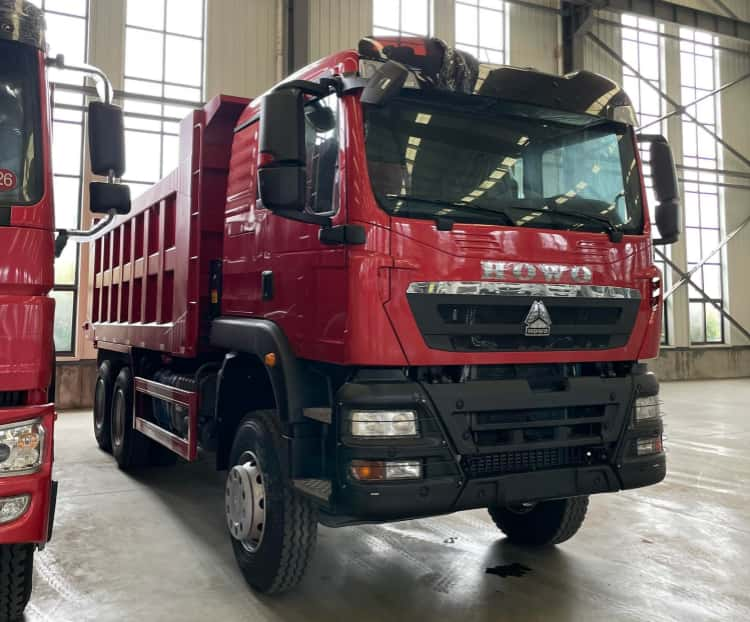
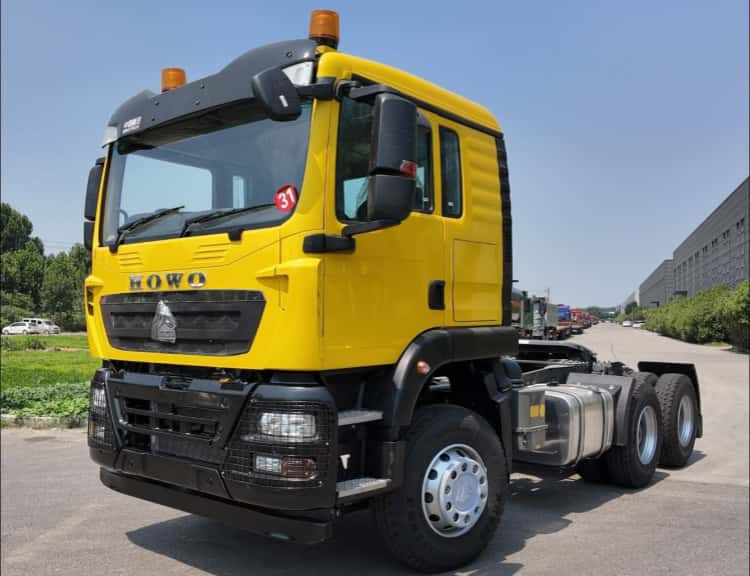
REMAN ROAD verified remanufacturing balances moderate initial spend, predictable maintenance, known insurance surcharges and steady residual value, often delivering the shortest payback period for project fleets. Unverified used units carry low sticker cost but volatile repair, downtime and insurance costs, which frequently push their ROI negative over the contract term.

Feeding Operational Data Back Into the Model
A living ROI model is updated continuously with real fleet operational data. Actual breakdown frequency, service costs and achieved uptime feed back to refine wear forecasts for future reman procurement.
As the fleet accumulates more reman performance history, the model’s assumptions become more accurate, improving tender pricing and long-term budget planning.
Common Pitfalls to Avoid
The biggest modelling error is ignoring downtime’s financial impact. Many basic ROI sheets only include parts and labour costs, missing contract penalties, idle driver pay and lost haul revenue.
Another mistake is applying a single residual value factor across all units; verified reman units residual values are grade-specific and tied to traceability records. Also, insurance loading differences between asset classes must be included, otherwise the model understates the true cost of unknown-origin vehicles.
Conclusion
A fleet-level ROI model built on verified remanufacturing data creates a reliable decision tool. It unifies capital, maintenance, downtime, insurance and residual value metrics, compares asset scenarios, and supports confident budget and tender decisions. Verified remanufacturing traceability and wear profiles are the foundation that makes this level of financial forecasting achievable.