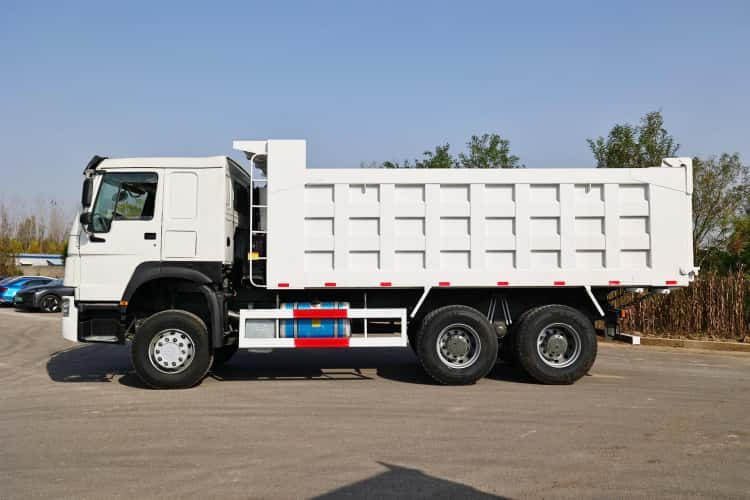
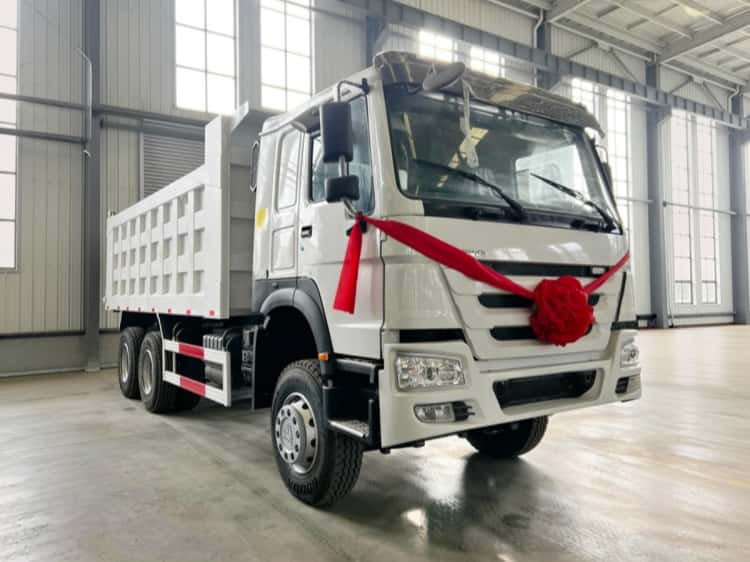
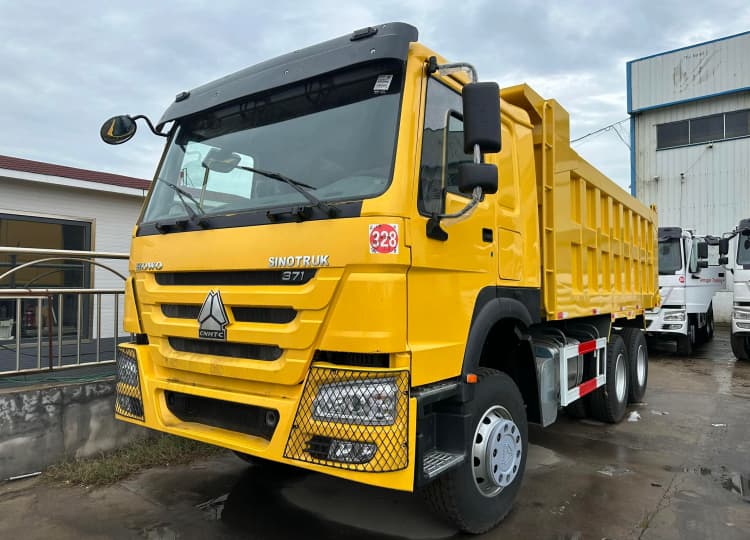
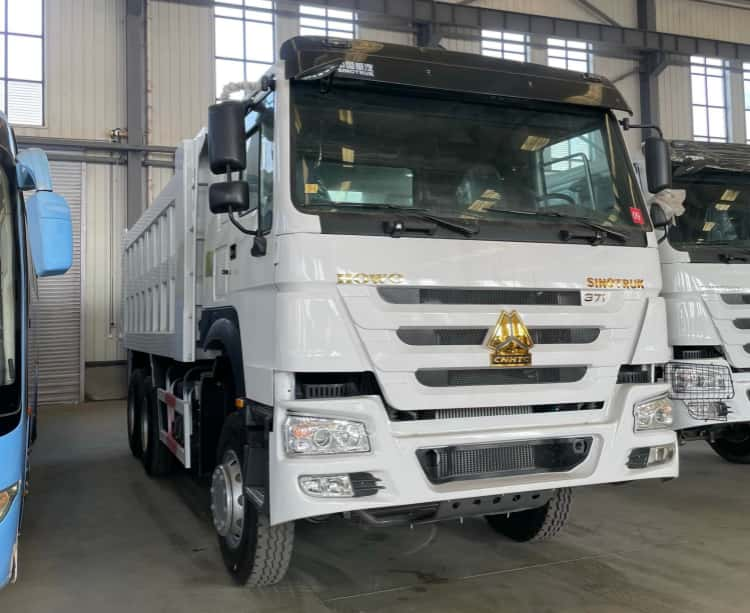
The Industrial Identity of a Certified Remanufactured Truck
Introduce
In the market, vehicles are often sorted by simple labels: new, used, overhauled, refurbished. A certified remanufactured truck belongs to its own separate category. Its industrial identity is not defined by age, mileage, appearance or the number of replaced parts.
This identity is built by engineering screening, certified remanufacturing workflow, neutral validation and documented boundaries. It tells every stakeholder — fleet procurement, maintenance teams, auditors, financiers, insurers and future buyers — what class of asset they are dealing with. It is the reason certified remanufactured truck can be treated as a distinct, financeable and transferable asset class, rather than lumped in with generic second-hand equipment.
It is not “used”, but it is not “new”
This is the first layer of its industrial identity.
A standard used truck carries an unknown history of hidden fatigue, overload, undocumented repairs and unmeasured remaining capacity. Its future reliability is speculative, and its value depends heavily on visual inspection and seller disclosure.
A new truck starts with the full original design margin, factory warranty and unrestricted rated duty cycle.
A certified remanufactured truck sits in its own controlled middle ground. Its core has passed formal fatigue screening, its hidden defects have been mapped, its subsystems recalibrated and its usable second-life baseline locked in. It is no longer an uncharacterised used asset. Yet it cannot pretend to hold the full safety reserve of a factory-new unit.
This identity rejects both misleading labels: it is not “like new”, and it is not just “used with some fixes”.
It is a system-reset asset, not a patched or part-rebuilt asset
Many heavy-vehicle interventions only modify part of the asset. Engine overhaul, brake repair, cosmetic repainting, selective component replacement — these actions change individual functions, but they do not redefine the whole truck’s identity.
The industrial identity of certified remanufactured truck is rooted in full-system lifecycle reset. The entire vehicle is disassembled, every component graded, wear limits enforced, cross-subsystem balance calibrated, and the complete assembly validated under representative loaded conditions.
Even if every installed component is a high-quality reman part, the truck does not automatically gain this identity. The identity only forms when the integration, calibration and system validation gates are completed and recorded. The asset is assessed as one interconnected dynamic system, not a collection of spare parts.
Its identity is anchored to measurable residual structural margin
At the engineering core of this identity is a quantified, documented residual margin.
Every load-bearing frame, axle housing and critical structural point has been checked through NDT scanning, dimensional control and service-history analysis. The outcome is not a vague judgement of “still strong enough”. It produces a clear understanding of how much safe capacity remains, and what workloads that capacity can support.
This is what separates certified remanufactured from ad-hoc rebuilds. An informal rebuild may run fine today, but no one can reliably state its remaining structural reserve. A certified reman truck carries that measurement as part of its inherent identity.
From this measurement comes duty classification. The approved operating envelope — payload, terrain, cyclic load limits — is part of the asset’s formal identity, communicated to the operator and preserved in its traceability file.
Its identity is evidence-linked, not reputation-linked
The identity does not depend on the workshop’s brand, the dealer’s promise or visual presentation. It is tied to immutable, VIN-bound records.
The audit trail includes intake screening results, disassembly grading logs, machining tolerances, part specifications, calibration parameters and loaded validation datasets. These records are available for neutral independent review.
Independent verification is the supporting mechanism that stabilises this identity. Self-claimed rebuilds can change their description when commercial incentives shift; an evidence-backed certified identity stays consistent, transferable and auditable across the ecosystem.
When the truck changes hands, its identity travels with the evidence package. The next fleet, auditor or financier does not need to trust the previous seller’s opinion. They can review the same dataset.
It is a circular asset with a predefined place in the value chain
A new truck’s identity is built for linear first-life service. A scrap truck’s identity is raw material feedstock. A certified remanufactured truck’s identity is built for controlled circulation.
It is designed to move through the ecosystem with predictable value. It can be assigned to matching fleet duties, financed against its documented baseline, insured with clear risk terms, rotated through fleet pools, and re-evaluated at the end of its second life.
When its second lifecycle expires, the same traceability records support the next sorting decision: whether it is suitable for another reman reset, better suited for component harvesting, or ready for material recycling.
This gives it a unique circular identity. It is not a dead-end asset, nor a disposable commodity. It is a value container that can be re-routed rationally.
It carries a standardised minimum threshold, not identical factory specs
One common misunderstanding: certified remanufactured truck identity does not mean every unit is identical.
Different base cores, original OEM designs and service histories lead to different residual margin levels and different duty envelopes. The identity is not defined by uniform output specifications. It is defined by having passed the same non-negotiable threshold of engineering discipline.
The threshold includes core qualification, full disassembly, component governance, system calibration, loaded validation and traceability. Any asset that meets this threshold qualifies for the identity, regardless of whether its approved duty envelope is lighter or heavier than another remanufactured truck.
Standardisation sets the floor for the identity; it does not force every asset into the same performance box.
What cannot take this identity?
To clarify the boundary, these asset types cannot claim the industrial identity of certified remanufactured truck:
- A truck with only one subsystem overhauled, while the frame and other assemblies remain uninspected
- A truck repaired after breakdown, with no fatigue screening or full disassembly
- A cosmetically refreshed truck with repainted surfaces and new visible parts
- A truck assembled from reman components without full-system calibration and loaded validation
- A rebuild with no traceable records and no independent verification
These may be functional vehicles, but they belong to separate industrial categories. Calling them certified remanufactured truck blurs the classification and weakens the credibility of the whole asset group.
Closing thought
The industrial identity of a certified remanufactured truck is a formal, engineering-backed classification.
It is an asset that sits between new and generic used, defined by a verified system-level lifecycle reset, quantified residual structural margin, transferable auditable evidence and a clear place within the circular value chain.
This identity turns certified remanufactured truck from a vague marketing term into a stable, understandable asset category. It lets the whole ecosystem evaluate risk, price value and collaborate on a shared foundation.