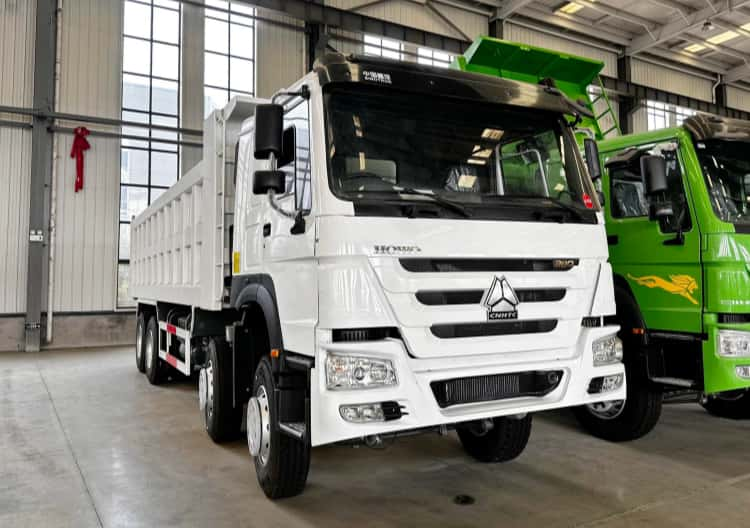
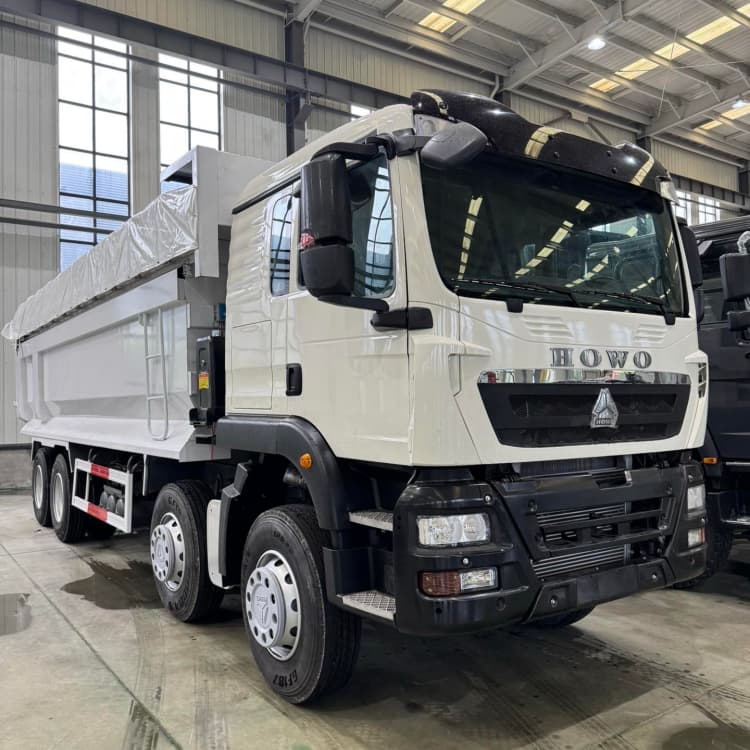
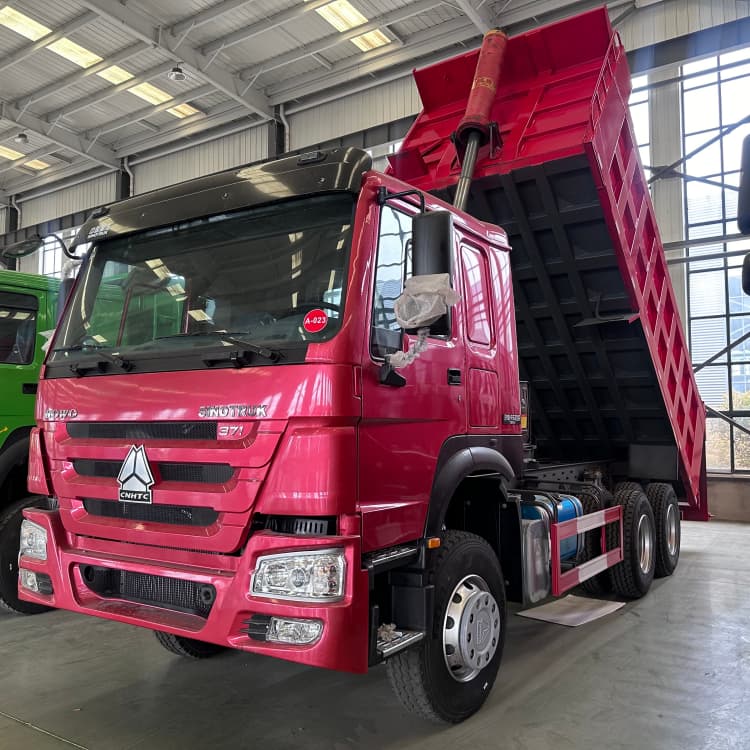
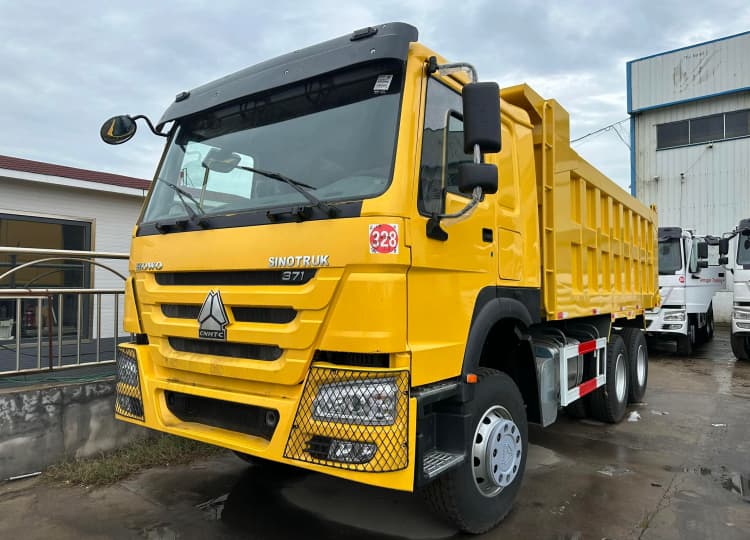
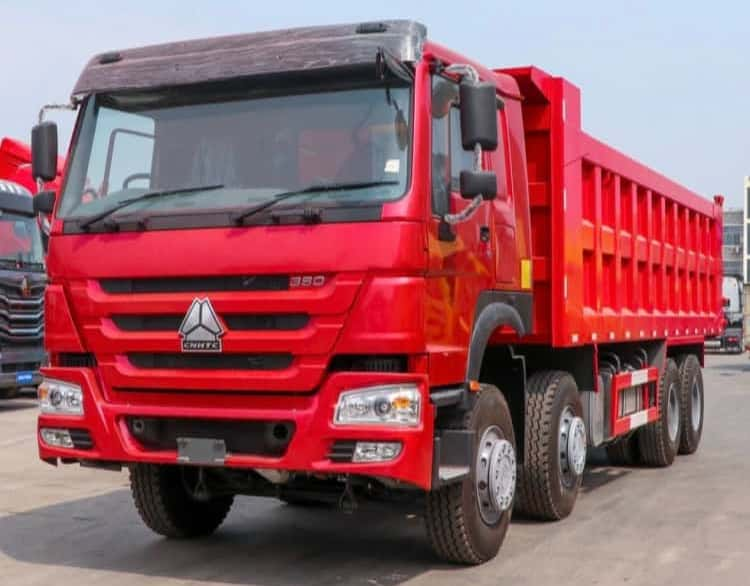
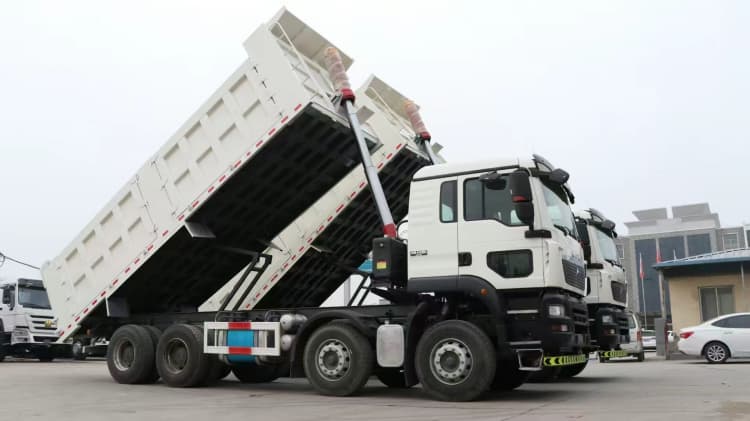
The Difference Between Restored Performance and New Performance in Heavy Truck Remanufacturing
Intro
When shopping for certified reman heavy trucks, fleet asset managers frequently run into a simple but costly misunderstanding. They read about system reset, bench testing and design-spec restoration, and assume the vehicle will behave exactly like a truck rolling off the OEM production line. This confusion blurs the line between two separate performance states: restored performance and new performance.
Both can meet the original engineering design specifications, yet they carry fundamentally different underlying risk profiles, fatigue reserves and operating boundaries. REMAN ROAD certified heavy truck remanufacturing builds its certification language around this distinction, so fleets can set realistic expectations, match assets to appropriate workloads and avoid dangerous overloading decisions.
New performance starts with untouched material margin
A brand-new heavy truck leaves the factory with all its structural and powertrain margin intact. Every frame rail, axle housing, crankshaft and gear is fresh from casting, forging and machining. No cyclic load, torsion shock, corrosion or thermal stress has accumulated over miles of work. Its performance envelope is the full OEM design window.
The truck is engineered to handle the maximum rated payload, repeated heavy cycles and harsh operating environments for its first service life. There is built-in safety buffer to absorb unexpected stress spikes, such as sudden overloads, rough terrain or hard braking events. This reserve is the invisible foundation of new performance, even if the published horsepower and torque figures match reman heavy trucks.
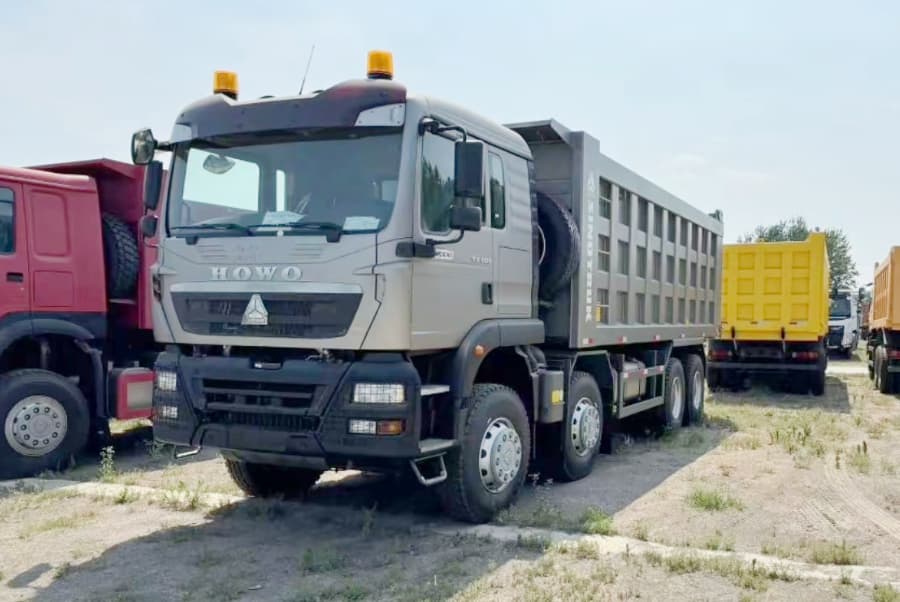
Restored performance targets design function, not virgin material condition
Restored performance, as delivered by certified heavy truck remanufacturing, follows a different objective. After full disassembly, cleaning, NDT inspection and component grading, worn or expired parts are renewed. Powertrain assemblies are calibrated and bench-tested back to OEM functional parameters. Braking, steering, transmission and load-bearing systems are adjusted to meet the same performance benchmarks specified in the original design.
At the point of handover, the certified reman heavy trucks can deliver the required power, braking capacity and handling behaviour. But the chassis itself still carries the fatigue history from its first life. Restored performance means the system works as designed — it does not erase the accumulated stress stored inside the base core.
The duty envelope is where the difference becomes operational
The most practical separation appears in the duty envelope assigned by REMAN ROAD. A new truck can operate across its full rated specification, with the full material safety margin available. Certified reman heavy trucks with restored performance receives a grade and bounded operating limits based on residual fatigue testing.
Grade A certified reman heavy trucks may support heavy cyclic transport, but it is still not equivalent to a new truck’s buffer. Lower-grade certified reman heavy trucks are restricted to lighter, less abrasive, lower-cycle assignments. These limits are not signs of poor restoration quality. They are honest engineering guardrails that acknowledge the remaining usable fatigue budget of the core. Fleet planners must allocate workloads based on this bounded capacity, rather than treating certified reman heavy trucks as interchangeable with new vehicles.
Degradation curves diverge after release into service
Even if both new trucks and reman heavy trucks start at the same functional performance level, their wear trajectories will differ. A new chassis begins its fatigue clock from zero. Its degradation is gradual and predictable across the full original service cycle.
A reman chassis starts its second life with a pre-existing fatigue baseline. Under identical heavy workloads, cracks and material deterioration may initiate faster once the remaining margin is consumed. This does not make heavy truck remanufacturing unreliable within its approved envelope.
It means the maintenance schedule, inspection frequency and residual value forecast must be adjusted accordingly. REMAN ROAD’s mandatory periodic re-inspection rules are built to track this accelerated risk trajectory.
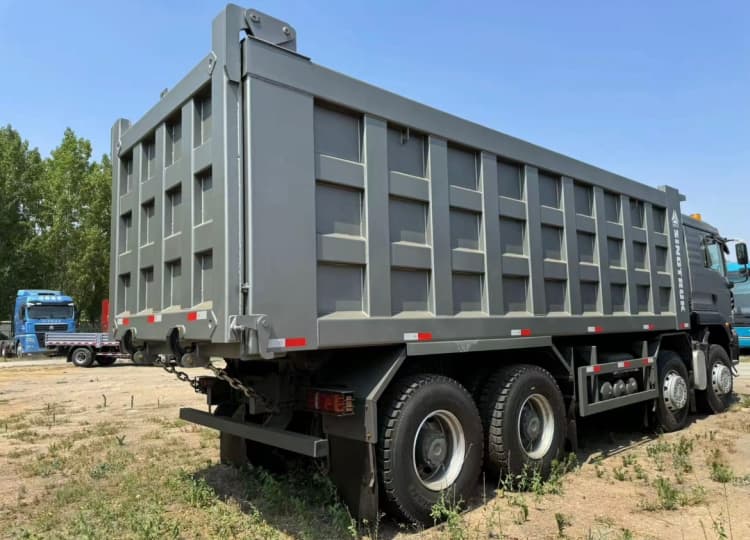
Testing validates function, but cannot recreate virgin material properties
Bench tests, load testing and NDT scans are powerful tools to validate restored performance. They verify that cracks are absent, clearances are correct, power output meets standards and geometry stays within tolerance.
However, testing cannot reverse the microstructural changes that form inside steel after thousands of heavy load cycles. Metal fatigue creates tiny internal defects that NDT can detect once they reach a measurable size, but it cannot wipe away the cumulative stress history.
This is the core technical limitation that separates restoration from new manufacturing. Good heavy truck remanufacturing engineering works with this limitation, instead of pretending it does not exist.
Financial and warranty structures reflect this gap
The difference also shapes commercial terms. New truck warranties usually cover the full design life margin, with broad coverage for a long mileage or time window. Certified heavy truck remanufacturing warranties under REMAN ROAD are tied to the defined duty envelope and scheduled inspection compliance. They guarantee performance within the agreed operating boundaries, not unlimited performance under any condition.
Residual value curves also follow this split. New trucks depreciate heavily at first, but carry a large remaining fatigue reserve. Reman heavy trucks start with a lower purchase price and a residual value profile tied strictly to their remaining usable cycles. Fleet TCO models fail when they copy new-truck depreciation and warranty assumptions directly onto reman heavy trucks.
Common marketing trap: “as good as new” claims
The biggest risk for the whole reman sector comes from oversimplified sales language. When restored performance is marketed as “as good as new”, asset managers and operators lose sight of the material margin gap. Operators may push reman heavy trucks into the same punishing duty cycles reserved for new trucks.
This leads to premature structural failures, unexpected downtime and eroded trust in reman as a category. REMAN ROAD’s heavy truck remanufacturing standard prohibits this misleading phrasing. Documentation clearly distinguishes functional compliance from virgin material state, and communicates grade and duty envelope upfront. Honest labelling protects fleets and preserves the credibility of certified heavy truck remanufacturing.
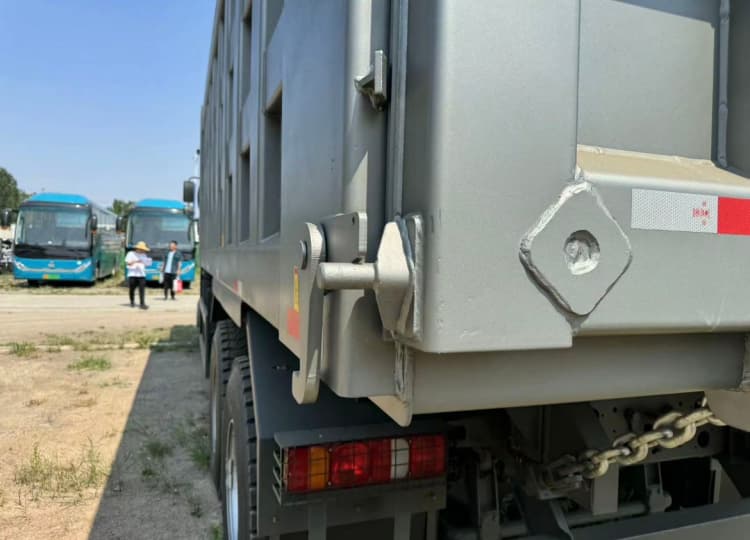
Final Takeaway
Restored performance and new performance can match on published functional specs, but they are not the same. New performance comes with a fresh chassis, zero accumulated fatigue and the full OEM safety margin for the complete design envelope. Restored performance means the reman system is calibrated and tested back to design function, while operating within a residual fatigue budget and clear duty boundaries.
REMAN ROAD’s certification framework formalises this distinction through grading, NDT assessment and transparent duty envelope disclosure. For fleet leaders, the key takeaway is simple: restored performance delivers reliable, controlled function. New performance delivers unrestricted material margin. Mixing up these two leads to bad workload allocation and unplanned downtime risk.