Depreciation Math: How Traceable Reman Trucks Change the Write-Down Curve?
Introduction
Depreciation is not just an accounting entry for fleets; it is the foundation of tender pricing, loan structuring and replacement planning. Most operators rely on generic industry depreciation formulas built for new trucks or generic used stock, which often fail to reflect actual value retention.
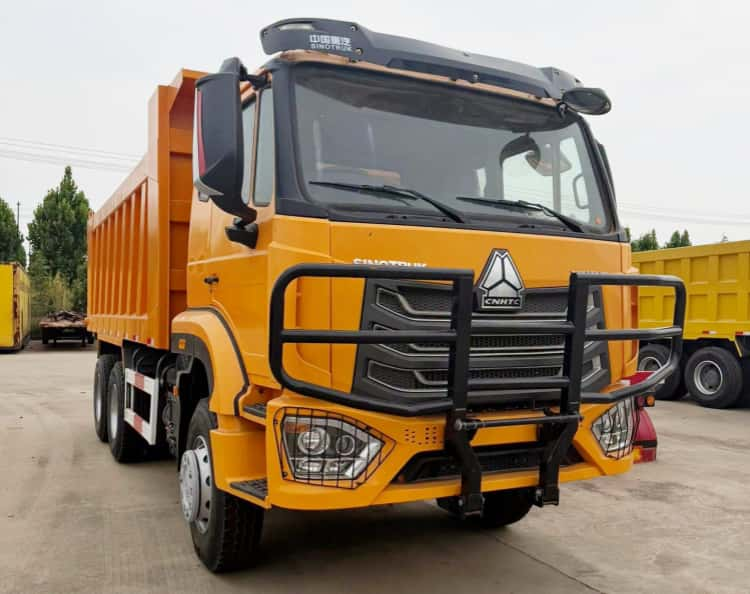
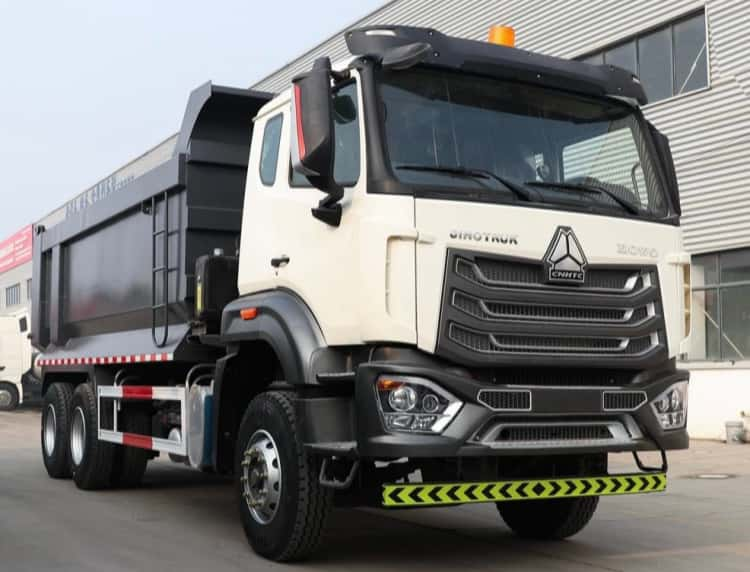
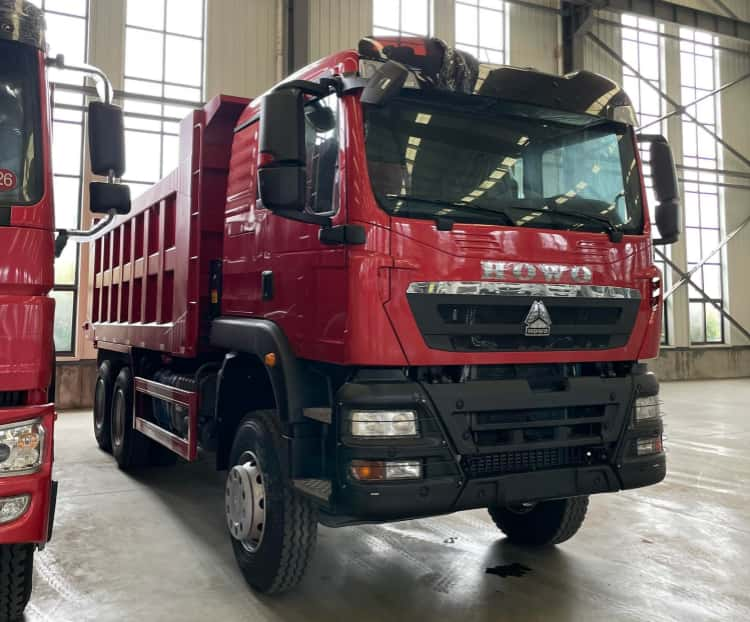
REMAN ROAD traceable reman trucks change the underlying depreciation math. Each traceable reman trucks receives a verified condition baseline after rebuild, backed by NDT scans, dyno validation and a full component log tied to its VIN. This objective record alters the assumptions that feed into write-down calculations, reducing volatility and making residual value far more forecastable.

The Flawed Math Behind Ordinary Used Truck Depreciation
Standard depreciation models assume value declines in a steady linear pattern, but this rarely holds for unknown used trucks. A used truck’s true remaining service life is hidden. Buyers in the secondary market apply a large risk discount, because they cannot confirm whether fatigue points have been inspected, worn parts renewed or systems calibrated.
This creates a volatile write-down curve: the truck may hold value for a short time, then suffer a sharp, unexpected drop once mechanical weaknesses emerge. The depreciation formula becomes unreliable, and finance teams are forced to add large contingency buffers to account for this uncertainty. Even identical-year trucks can depreciate at wildly different rates.
Traceable Reman Trucks Sets a New, Defined Starting Baseline
When a truck completes REMAN ROAD traceable remanufacturing, its depreciation clock resets from a documented rebuild baseline, not from its original factory build date. Critical high-risk components are renewed, structural integrity is validated, and the unit is assigned a formal duty classification.
The traceable passport acts as proof of this reset. The asset’s value is no longer tied to its unknown past life, but to the standardised rebuild investment and validated performance. This gives finance teams a new, defensible starting point to run depreciation calculations, separate from the old chassis history.

Removing the Sharp Initial Value Drop Seen on New Trucks
Brand-new heavy trucks follow a steep write-down curve in their first one to two years, driven by the “new asset premium” that vanishes immediately after delivery. REMAN ROAD traceable reman trucks avoids this cliff. Its acquisition price is already discounted from OEM retail, and depreciation is driven by measurable usage metrics: operating hours, payload cycles, site duty and maintenance compliance, rather than the loss of factory-new status.
The write-down is gradual and incremental. In the depreciation math, this means smaller annual loss provisions and less risk of negative equity if the asset is resold or traded back in the early years of ownership.
Documentation Reduces the Risk Discount in Residual Value Calculations
Residual value is where most depreciation models break. Without proof of quality, valuers assume worst-case condition and mark the truck down heavily. Traceable reman trucks’s digital record travels with the VIN through every ownership cycle.
When calculating end-of-term value, auditors, lenders and buyers reference the rebuild scope, test results and warranty history. The risk discount is minimised. This changes the depreciation formula’s final residual value input, narrowing the gap between forecast write-down and actual sale proceeds. The result is fewer unexpected loss events on the balance sheet.
Consistent Curve Enables Usage-Based Depreciation Models
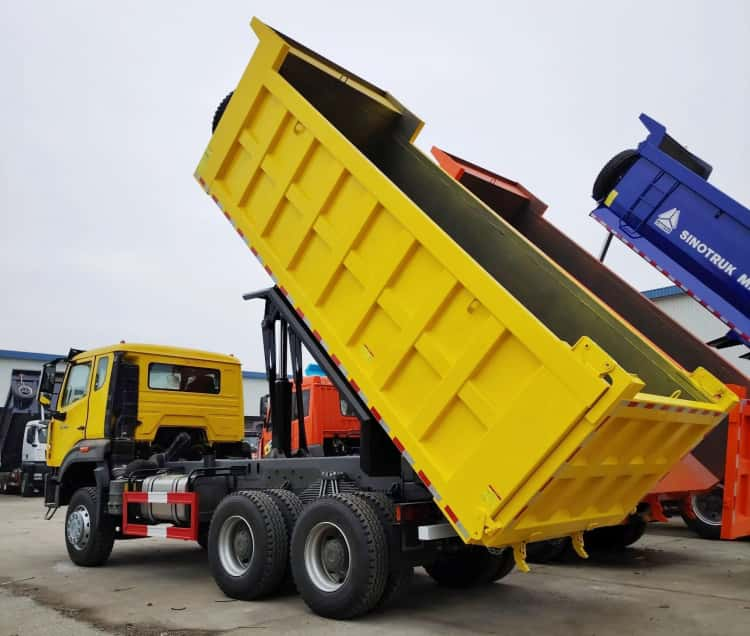
Many fleets default to time-based depreciation because condition is unknowable. Traceable reman trucks supports more accurate hour-based or cycle-based depreciation. Since wear expectations are standardised for each duty class, planners can model value loss against actual work performed, rather than just calendar years.
This is especially valuable for cyclical fleets: a truck that sits idle for months does not depreciate the same way as one hauling full-time on a quarry site. The depreciation math becomes dynamic, aligned with real operational workload instead of rigid calendar rules.
Better Depreciation Data Improves Financing and Tender Outcomes
Lenders review depreciation schedules to set loan-to-value limits and repayment terms. A predictable, evidence-backed write-down curve makes the asset less risky to finance. Finance teams can run multiple scenario models: longer ownership, early trade-back, lease structures and temporary peak deployment.
Tender pricing becomes more reliable, because depreciation costs are no longer a speculative variable. Operators can lock in multi-year haul contracts without fearing that unforeseen residual losses will erase margins later.
Conclusion
Traceable reman trucks rewrite the depreciation math by establishing a verified rebuild baseline and eliminating the heavy risk discount that drags down used-truck residual value. They replace the sharp, unpredictable write-down curves of new and undocumented used vehicles with a gradual, auditable decline tied to actual duty and usage.
For fleet finance teams, REMAN ROAD traceable remanufacturing turns depreciation from a guesswork exercise into a controllable calculation, supporting more accurate forecasting, stable loan terms and confident long-term asset planning.