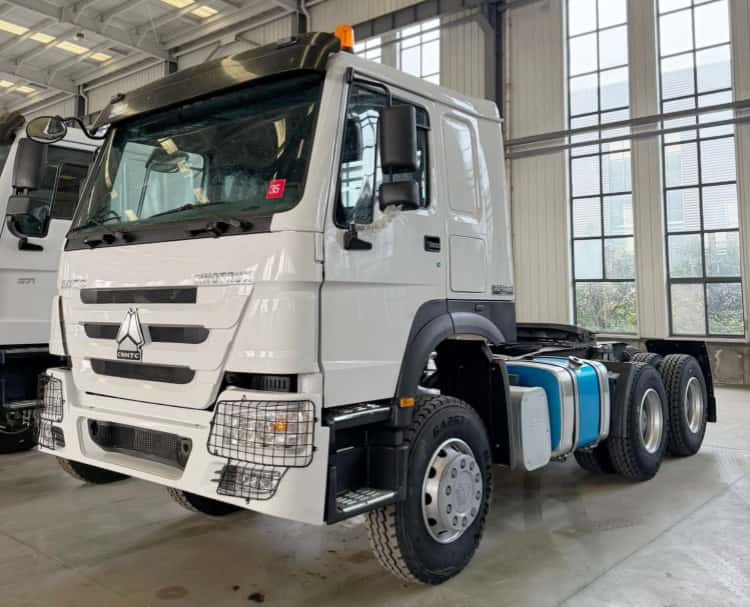
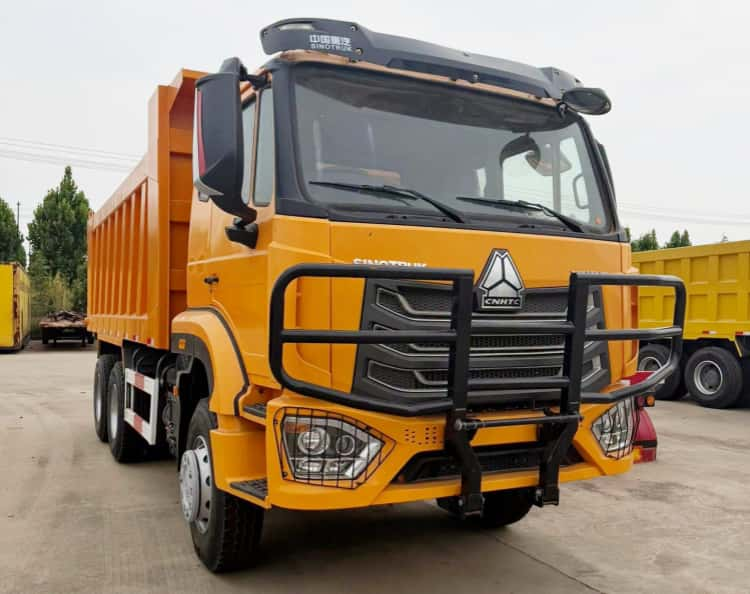
Comparing TCO Across Three Options: Standardized Reman, New, Rebuild
Introduction
When fleets evaluate capacity additions, three common options emerge: brand-new trucks, standardized reman units, and informal rebuilds. Many buyers only compare initial purchase cost, which creates a skewed view. True Total Cost of Ownership (TCO) accounts for every expense over the asset’s duty cycle, including downtime risk, repair variability, insurance surcharges, depreciation and end-of-term value. The distinction between standardized remanufacturing and informal rebuild is especially critical, as the two are frequently confused.
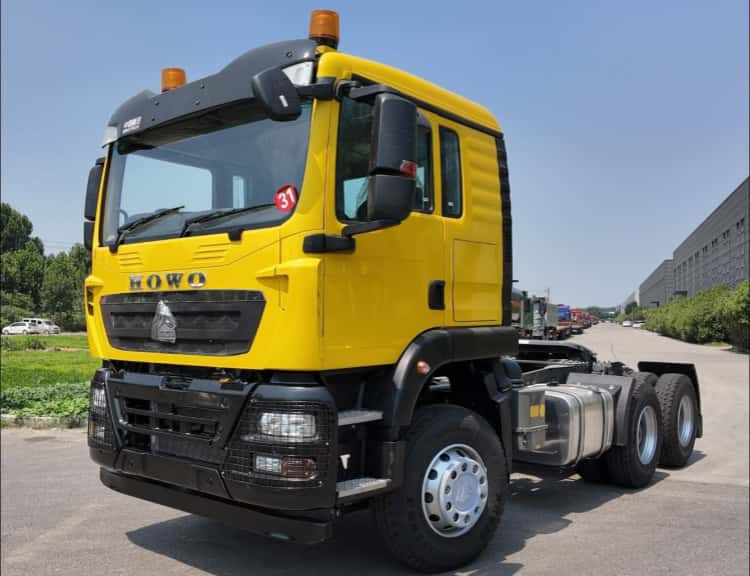
New Heavy Trucks
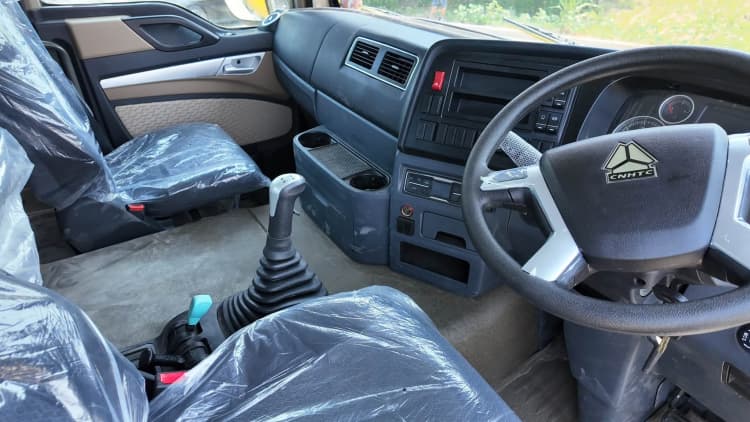
New trucks carry the highest upfront capital expenditure. They come with OEM factory warranty, zero accumulated fatigue damage, validated emissions performance and the lowest insurance risk loading. Scheduled maintenance follows OEM service intervals, and unplanned failure rates are minimal in the early years.
The main TCO negatives are rapid initial depreciation, long lead times, and a high insured base value that pushes up absolute insurance premiums. They are ideal for long-duration, core production fleets, but poor for short-term project work where steep depreciation cannot be recovered.
Standardized Reman (Certified)
REMAN ROAD standardized remanufacturing starts with eligible, screened cores, full disassembly, NDT and corrosion testing, duty-aligned rebuild, bench validation, formal grading and unit-level traceability plus warranty. Its upfront cost sits well below new trucks. Maintenance schedules and wear curves are predictable, unplanned downtime is tightly controlled, and insurance loadings are moderate and consistent.
Depreciation is gentler than new trucks, and residual value is supported by complete audit records. TCO is often the most competitive for medium-term projects, seasonal fleet expansion and fixed-rate haul contracts. The risk profile is controlled and quantifiable for ROI modelling.
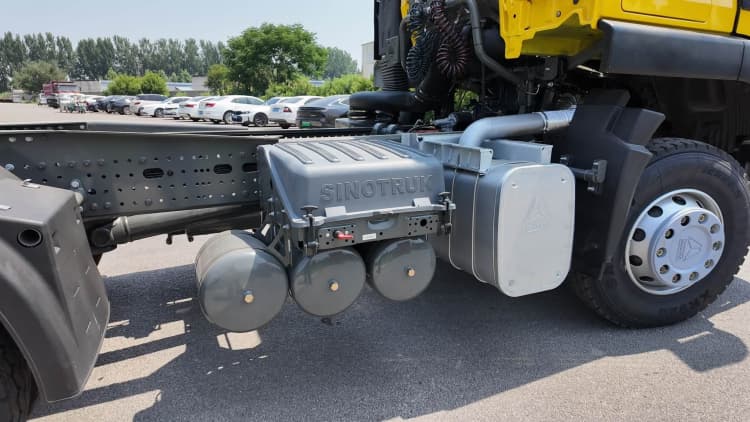
Informal Rebuild
Informal rebuilds focus on repairing obvious broken parts, without standardized core screening, mandatory NDT, corrosion mapping or performance benchmarking. They are cheaper upfront than certified reman, but this is where the advantage ends. There is no uniform wear profile. Hidden structural defects, misaligned drivelines and undocumented prior modifications can trigger frequent breakdowns.
Insurance providers apply heavy risk loadings, impose high deductibles, or add mechanical breakdown exclusions. Warranty coverage is usually limited or non-existent. Resale value is depressed, and the unit often fails client pre-qualification audits. Over the duty cycle, unpredictable emergency repairs and downtime penalties frequently make informal rebuild the highest-TCO option.
Side-by-Side TCO Decision Framework
- Upfront cost: New > Standardized Reman > Informal Rebuild
- Unplanned downtime risk: Informal Rebuild >> Standardized Reman > New
- Insurance loading: Informal Rebuild >> Standardized Reman > New
- Residual value: New > Standardized Reman > Informal Rebuild
- Audit / tender eligibility: New and Standardized Reman qualify reliably; Informal Rebuild often fails
- Lead time: Informal Rebuild and Standardized Reman are typically faster than new trucks
Common TCO Modelling Mistake
A frequent error is grouping standardized remanufacturing and informal rebuild into one bucket. The term “rebuild” describes a loose repair job, while “standardized reman” is an engineered, benchmarked asset reset. Lumping them together leads to flawed budget assumptions and unexpected operational losses.
Conclusion
New trucks deliver low-risk reliability but suffer from high CAPEX and heavy depreciation. REMAN ROAD standardized remanufacturing balances cost, predictability and auditability, delivering the optimal TCO for many project and contract fleets. Informal rebuilds look affordable on day one, but uncontrolled mechanical risk pushes their full lifecycle TCO highest.