Full Vehicle Disassembly: How We Sort and Evaluate Every Used Truck Part?
Introduction
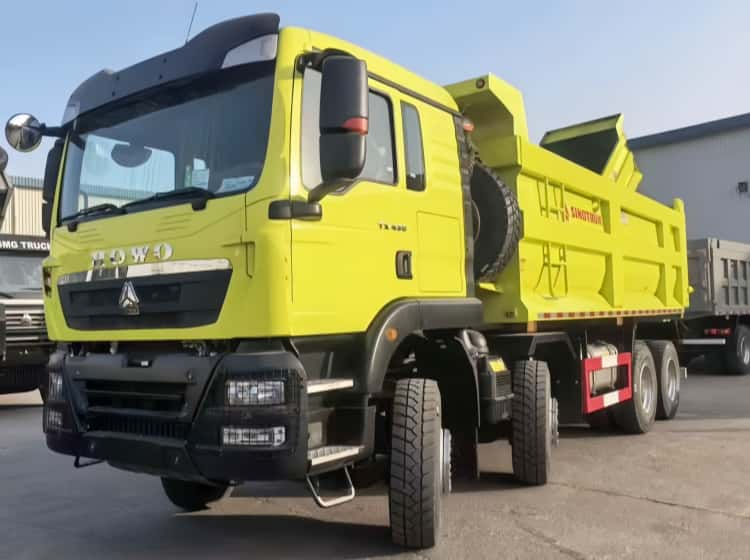
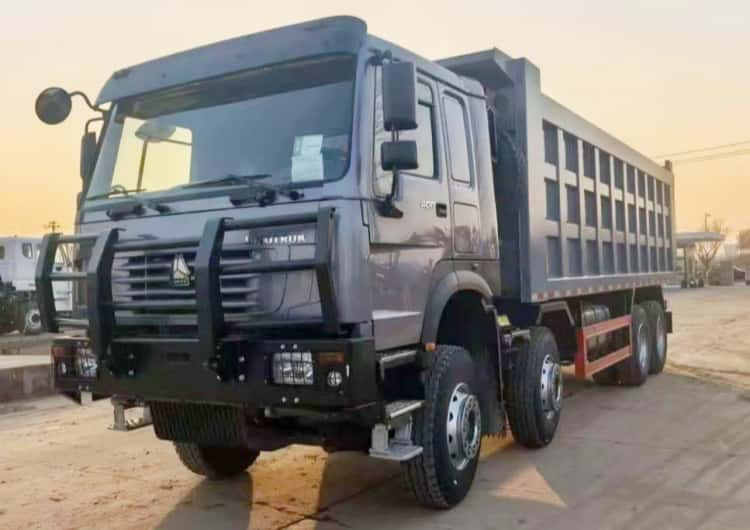
Full disassembly is one of the defining steps that separates genuine remanufacturing from simple overhaul or repair. Rather than only swapping broken parts on the surface, REMAN ROAD strips the entire heavy truck down to individual components. Every single used truck part gets inspected, assessed and assigned a clear path. This systematic sorting and evaluation lays the foundation for reliable, OEM-equivalent remanufacturing quality.
Pre-Disassembly Preparation
Before taking any component apart, the team first locks in the asset’s digital record. The technician references the core’s traceability ID, original intake grading report and service history. Photos are taken of the whole vehicle, assembly layouts, wiring routing and original fastener positions. These records guide correct reassembly later and prevent mismatched installation. Work follows a standard disassembly sequence, starting from exterior accessories, then subsystems, before moving to powertrain and chassis structural components.
Complete Stripping and Unique Labelling
Every removed used truck part receives a unique tag linked to the main asset traceability ID. No loose, untracked components leave the workstation. Large assemblies are broken down piece by piece: engine, transmission, axles, steering, braking, suspension, frame fittings, hydraulic and electrical parts. Even small items like bolts, connectors and gaskets are tagged and grouped. This eliminates mix-ups between different truck cores, a common risk in unregulated rebuild shops.
Initial Visual Screening Right After Removal
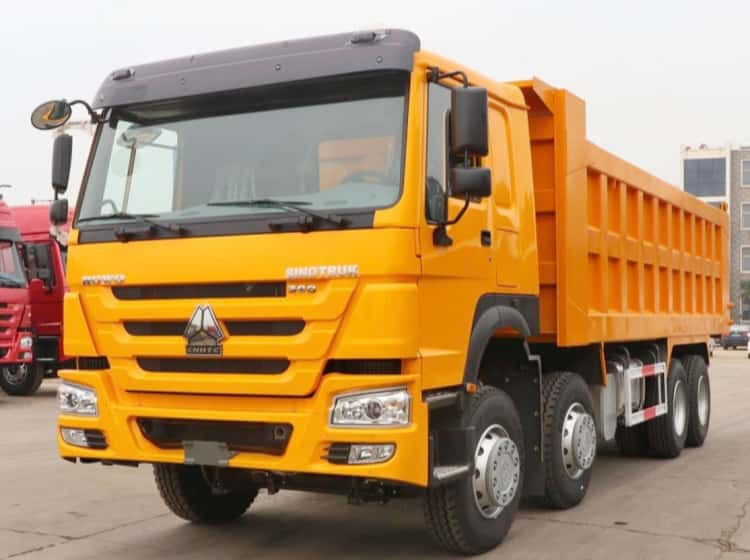
The first quick evaluation happens immediately after disassembly. Technicians look for obvious failure signs:
- Visible cracks, bending or deformation
- Severe corrosion, burning marks or heat discoloration
- Thread stripping, fractured splines or excessive pitting
- Oil burnout, chemical erosion or collision damage
Parts with obvious critical defects are marked for scrapping at this stage and do not move forward to deeper inspection.
Deep Cleaning Before Formal Measurement and Testing
Parts marked as potential reusable candidates go through mandatory deep cleaning. Carbon deposits, sludge, old grease, rust and road contaminants are fully removed. Cleaning is not cosmetic. Residue can hide microcracks, wear grooves and surface fatigue that would lead to dangerous failures later. Only once a component is fully clean can inspectors carry out accurate dimensional checks and non-destructive testing.
Formal Evaluation & Three-Way Sorting Framework
All cleaned components enter formal assessment, then fall into one of three defined categories.
✅ Category 1: Reconditionable Parts These parts meet baseline visual requirements. They will proceed to dimensional inspection and NDT. Examples: crankshafts, cylinder blocks, axle housings, gear sets, steering knuckles. If they pass tolerance checks and fatigue testing, they will go through precision machining to restore OEM specifications.
⚠️ Category 2: Mandatory Replacement Parts These are fatigue-limited, sealing or consumable components. No matter how good they visually look, they are replaced with new OEM-grade parts. This list includes gaskets, seals, bearings, piston rings, hoses, brake linings, filters and critical fasteners. They will never be reused in REMAN ROAD certified reman trucks.
❌ Category 3: Non-Repairable Parts Parts that fail NDT, fall outside OEM tolerance limits, or have irreversible structural damage are rejected. They are logged as scrapped in the traceability system. Depending on material condition, they go to metal recycling or component harvesting for non-critical spare stock.
Critical NDT and Dimensional Verification for Load-Bearing Components
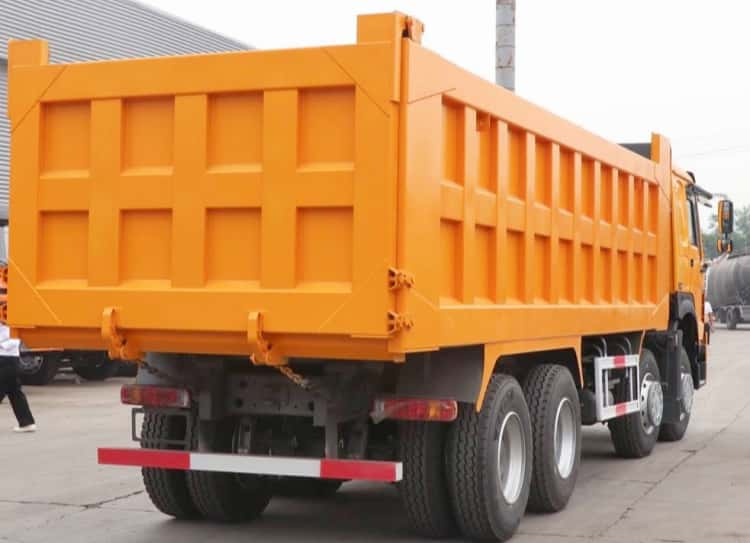
High-risk structural and powertrain components do not pass evaluation by sight alone. They are sent for non-destructive testing: magnetic particle, ultrasonic or penetrant inspection, to detect invisible fatigue cracks. Inspectors also take precise dimensional readings and compare results against OEM drawings and tolerance tables. A crankshaft with wear beyond the allowed regrind limit, or a frame bracket with hidden cracks, cannot be approved for reuse. All test results are uploaded to the digital asset record for audit.
Condition Documentation and Traceability Update
Every evaluation decision is documented in real time. Inspectors record: part number, tag ID, inspection type, measured values, pass/fail result and final disposition. If a part is approved for re-machining, the intended rework standard is noted. If it is scrapped or replaced, the reason is clearly stated. Third-party auditors can pull this full component-level history at any time.
Segregated Storage by Disposition
Sorted parts are stored in clearly separated zones in the workshop:
- Reconditionable queue for machining
- New replacement parts inventory
- Scrap and recycling zone
- Harvested spare component zone
This physical separation prevents reusing rejected components by mistake during reassembly.
Feedback Loop to Sourcing and Reverse Logistics Teams
Disassembly data also feeds back upstream. If a high percentage of cores from a certain sourcing region show recurring component defects, the evaluation report alerts the sourcing team. They will adjust pre-screening checklists to catch these issues earlier, before cores are shipped to the remanufacturing hub. This continuously improves core quality at the source.
Closing
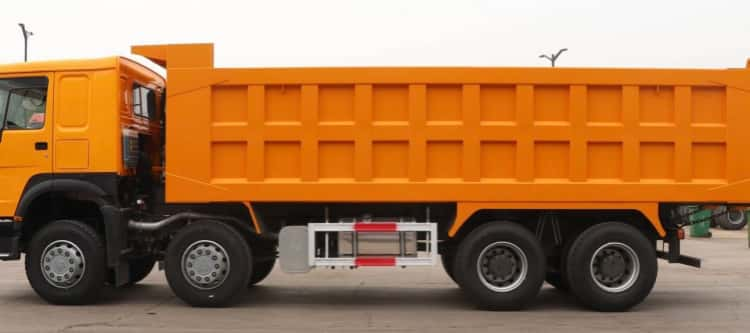
Full vehicle disassembly is far more than taking a truck apart. It is the moment every component’s true condition is uncovered and judged objectively. By tagging, cleaning, testing and sorting each part under a unified three-category framework, REMAN ROAD eliminates guesswork. Every reusable component earns its place back into the finished vehicle, and every high-risk part is removed from the remanufacturing workflow. This granular, auditable part evaluation is what makes lifecycle reset safe and trustworthy for global fleet operators.